Skip to content

15 Construction Companies in Thailand

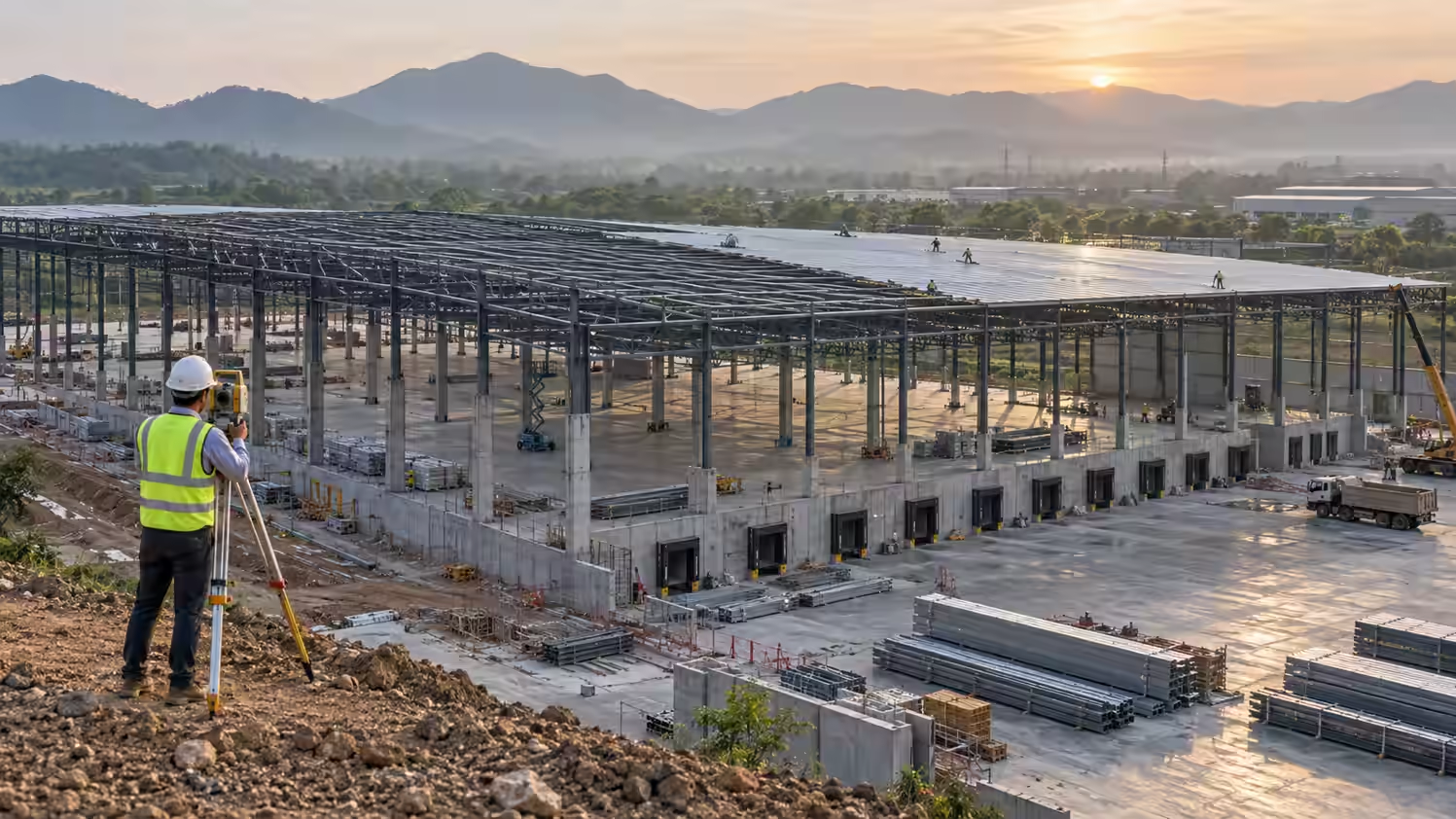
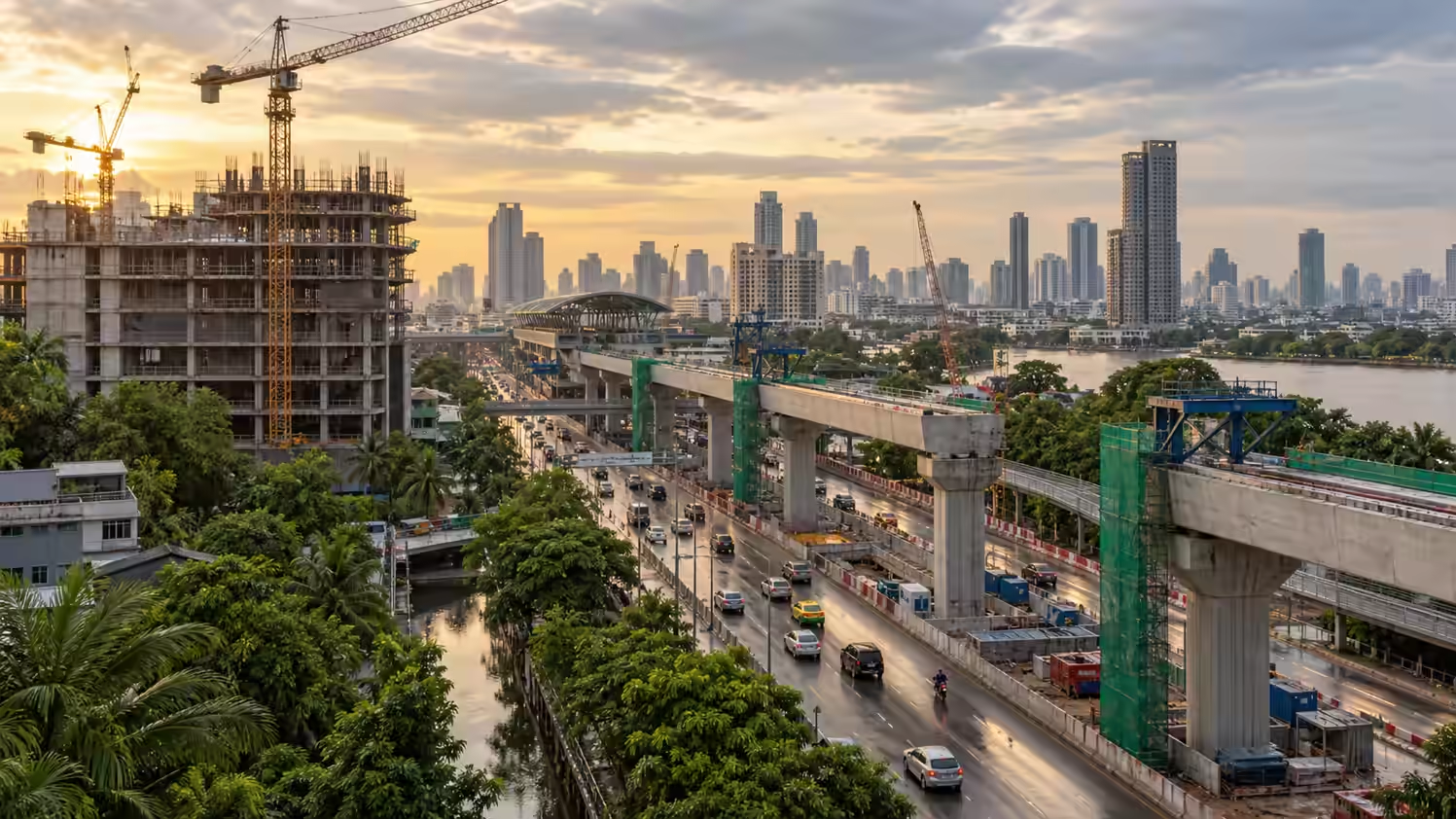
Building and infrastructure construction across a Thai urban district

This guide introduces 15 companies serving Thailand’s construction market across buildings, factories, engineering systems, infrastructure and EPC work. It is not a ranking. Before requesting a proposal, verify each company’s current legal status, professional team, comparable work, insurance and contract terms.

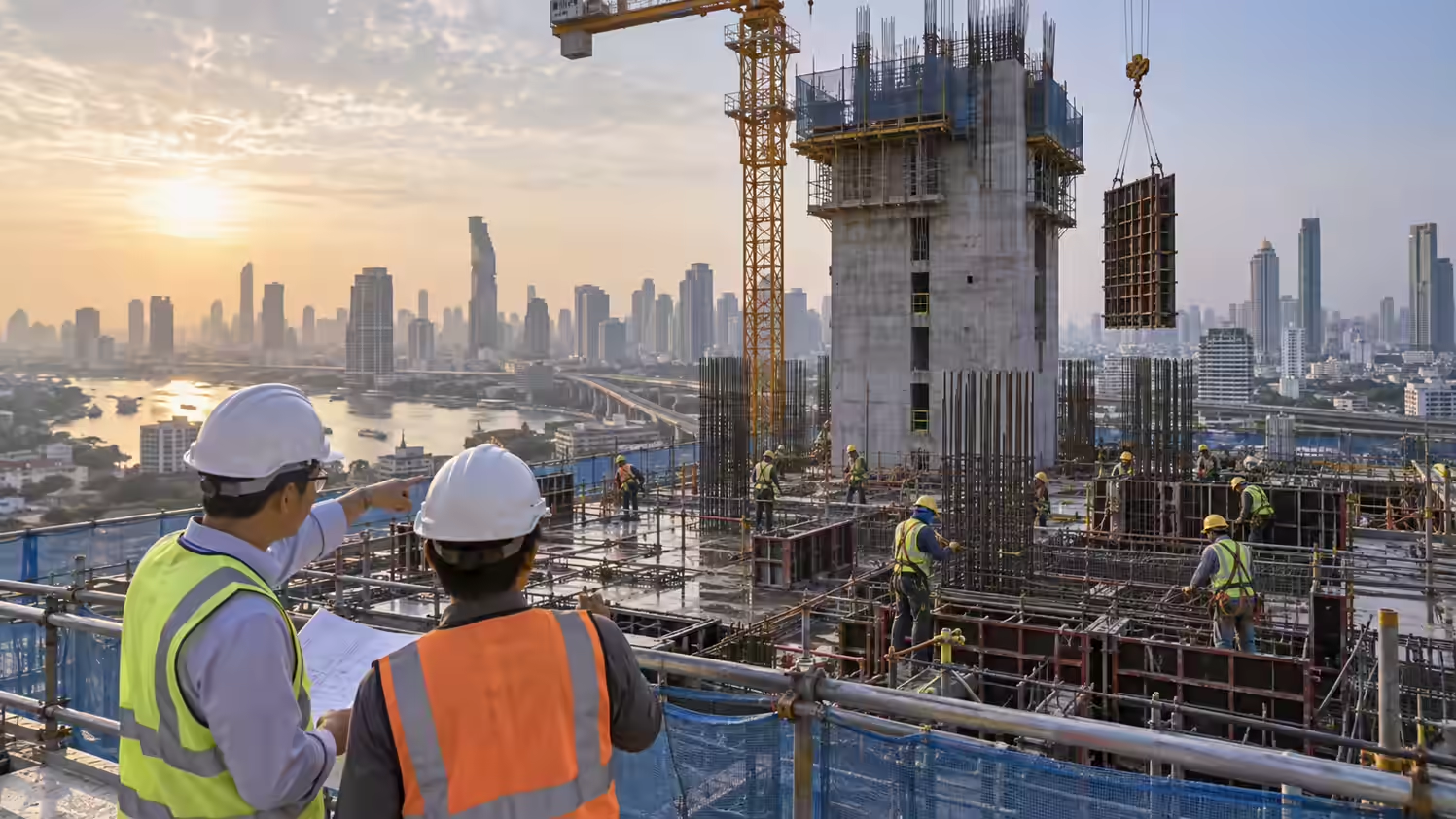
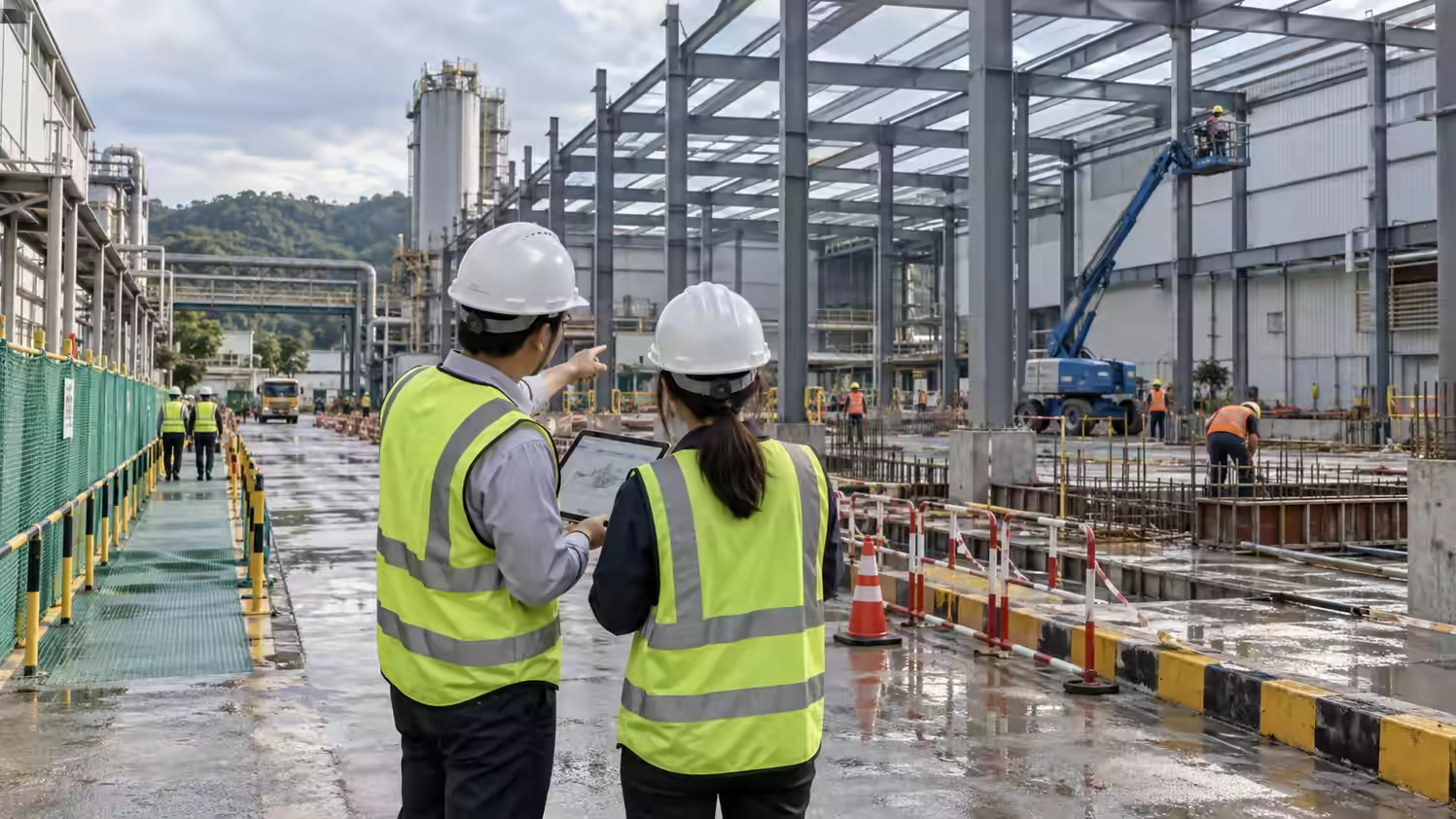
Coordination meeting beside a factory extension under construction

1. AESCON

What Stands Out: Integrated construction for buildings, factories, warehouses, special structures and renovation

AESCON describes a process that begins with site and brief analysis, continues through budget and programme planning, and extends to construction and post-completion inspection. Its website covers commercial buildings, residences, industrial factories and renovation work, making the company relevant to owners who want to discuss several project stages with one contractor.

Who It May Suit: It may suit owners planning a building, factory or warehouse who prefer one team from pre-construction through handover. Confirm which design, permitting, MEP, external works, commissioning and warranty responsibilities are included in the proposal.
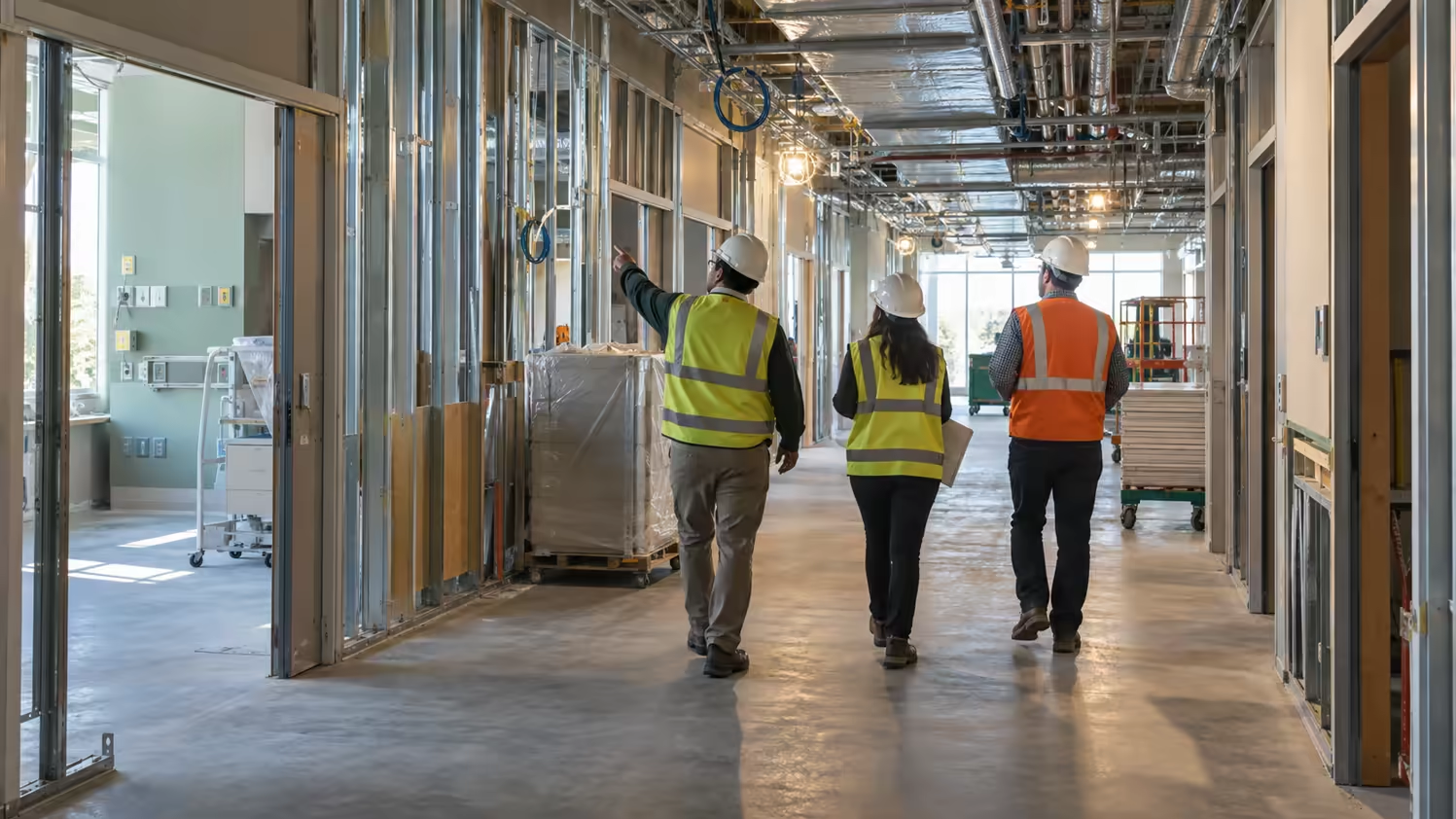
Construction team inspecting a hospital building interior

2. Ritta

What Stands Out: Design, engineering and construction for a broad range of private-sector buildings

Ritta presents integrated project services from feasibility and surveying through design, construction and maintenance. Its published experience spans factories and warehouses, offices, hospitals, hotels, condominiums, retail buildings and data centres.

Who It May Suit: It may suit medium-to-large private developments seeking coordinated design, engineering, commercial and construction management. Ask for the named project team, BIM approach, subcontractor controls and references with comparable scale and building systems.

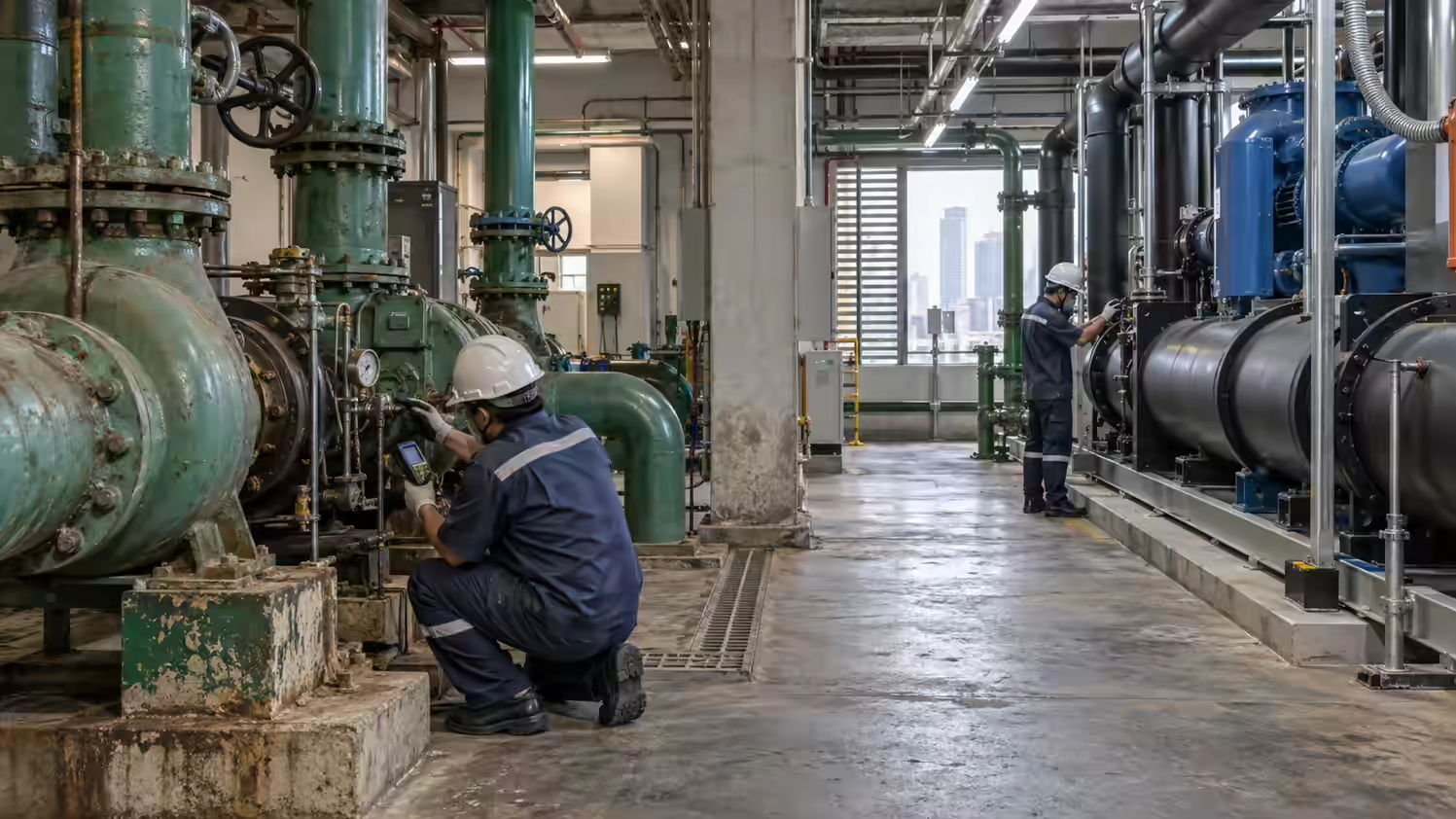
Energy retrofit work on mechanical systems in an existing building

3. Thai Obayashi

What Stands Out: Building, factory, clean-room, civil, MEP and post-construction services

Thai Obayashi describes a Total Engineering approach covering consultation, feasibility, planning, design, construction and post-construction support. Its service list includes factories, warehouses, offices, hotels, residences, hospitals, clean rooms, civil works and mechanical and electrical systems.

Who It May Suit: It may suit owners seeking a structured corporate delivery system for technically demanding buildings. Clarify the contract model, design responsibility, commissioning criteria, maintenance scope and the actual team assigned to the project.

Logistics warehouse structure rising in a Thai industrial estate

4. Thai Takenaka International

What Stands Out: Single-organization design and construction with a strong building and factory focus

Thai Takenaka International describes complete services from site information and feasibility through design, construction documents, construction administration and post-construction support. Its regional project database includes Thai factories and logistics facilities in industrial estates.

Who It May Suit: It may suit factories, warehouses or corporate buildings that benefit from design-build coordination and international standards. Define responsibility for architecture, structure, MEP and process equipment before comparing the offer.

Foundation and concrete-core work on a high-rise building

5. Syntec Construction

What Stands Out: End-to-end building work from foundations and structure to architecture and engineering systems

Syntec Construction lists engineering design and project management, structural and architectural work, fit-out and renovation, environmental engineering, piling and foundations, civil infrastructure and MEP services. Stock Exchange information also describes its construction service as extending from foundations through completion.

Who It May Suit: It may suit high-rise residential, hotel and other multi-trade building projects. Review the bill of quantities, sample programme, finish-quality controls and the precise boundary between fit-out and building systems.

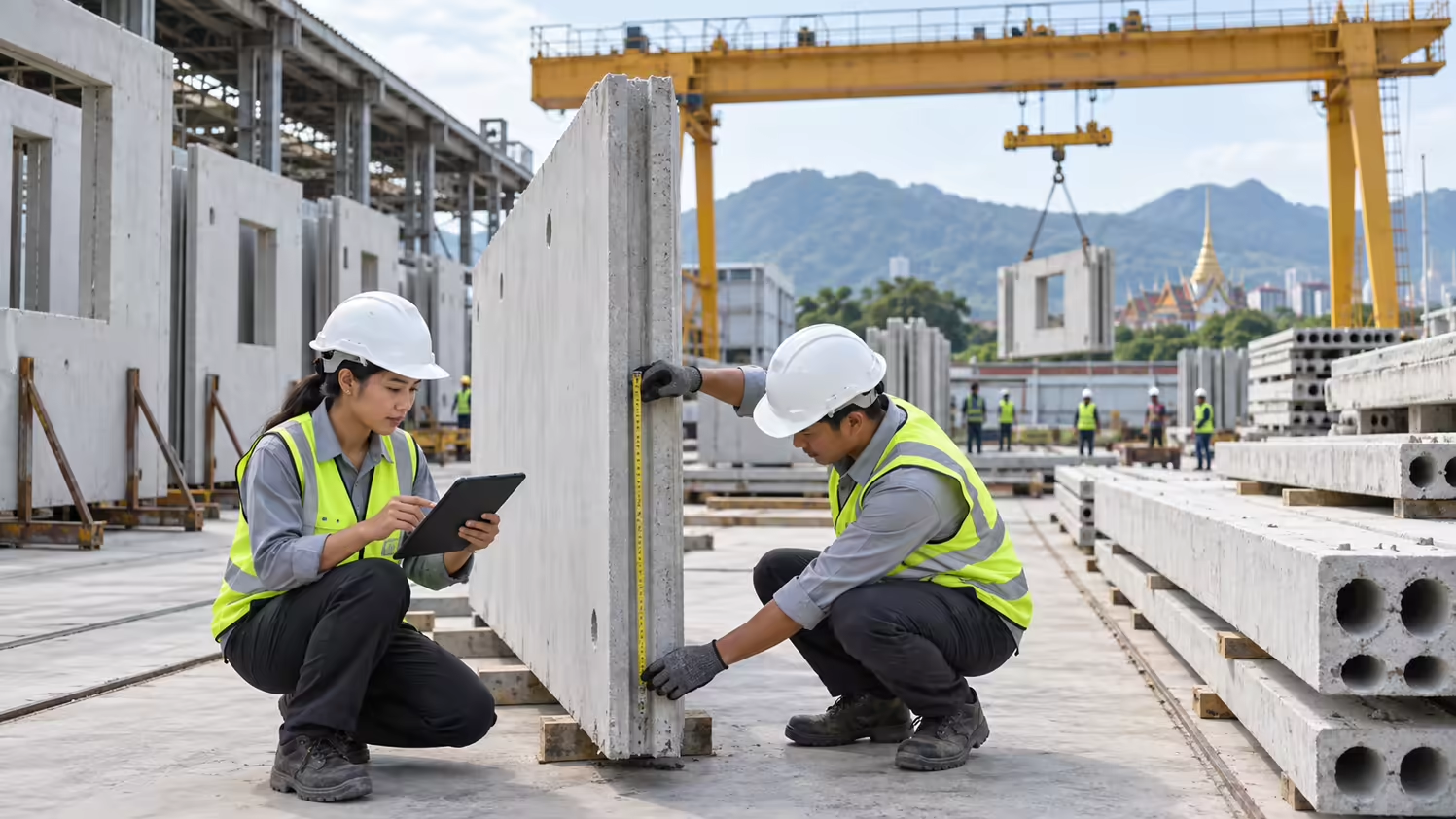
Precast concrete panels being inspected in a production yard

6. Pre-Built

What Stands Out: Building construction alongside precast-concrete and property-development capabilities

Pre-Built identifies construction contracting, property development and precast concrete as its core businesses. Its project pages include residences, hotels, hospitals and large buildings, so both the selected construction system and the site-management team should be evaluated.

Who It May Suit: It may suit building projects seeking a main contractor and potential precast efficiencies. Ask which elements are factory-made, how joints are controlled, who approves shop drawings and when MEP coordination is frozen.

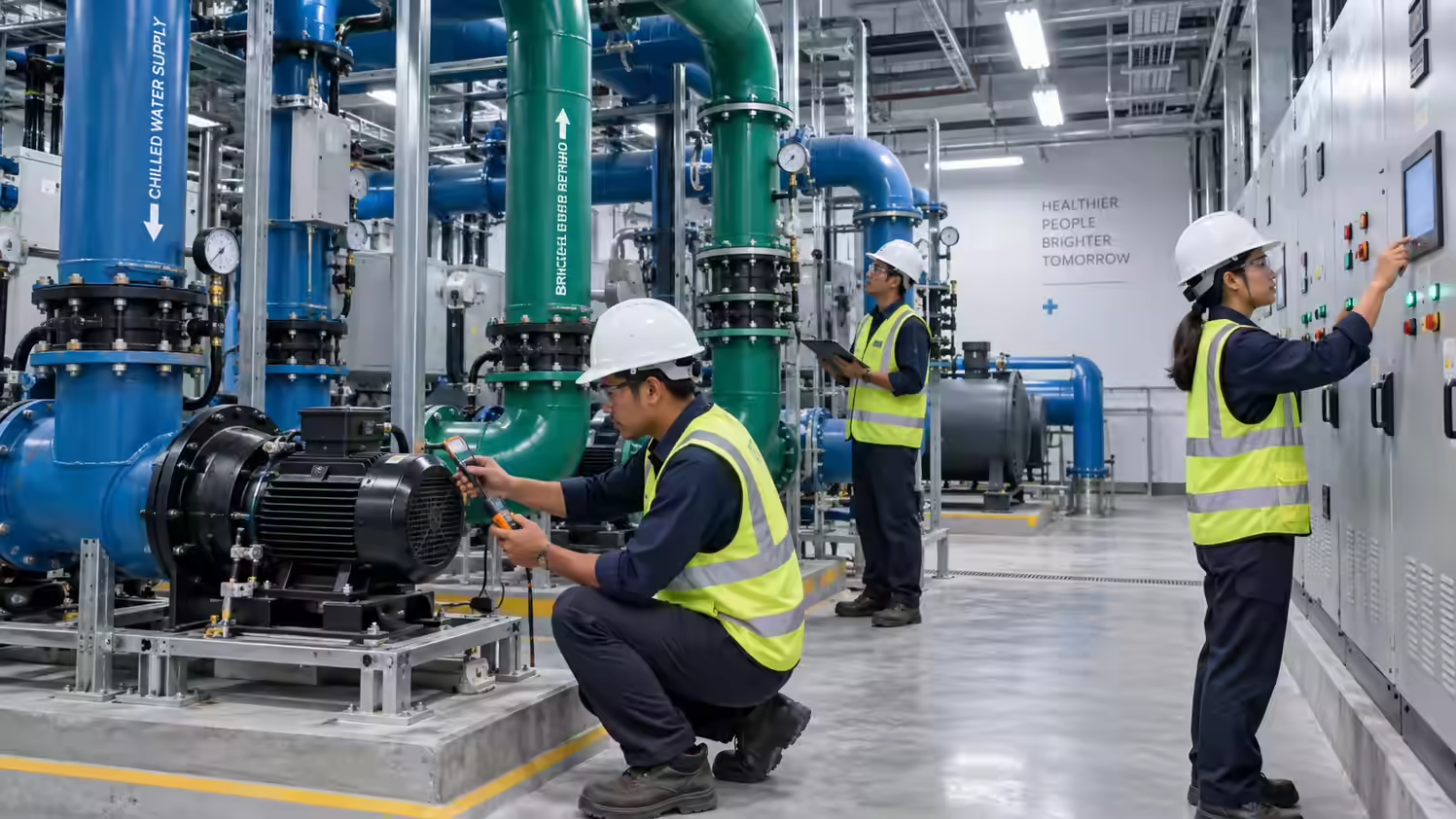
Commissioning of building services in a hospital plant room

7. Power Line Engineering

What Stands Out: General contracting that combines civil work with mechanical, electrical and plumbing engineering

Power Line Engineering describes itself as a general contractor for design, engineering and construction across civil, mechanical, electrical and MEP work. Its published background covers offices, hotels, complexes, hospitals, factories and selected government infrastructure.

Who It May Suit: It may suit buildings with a high MEP content or projects seeking coordinated civil and services delivery. Define design boundaries, testing and commissioning duties, and responsibility for resolving clashes between systems and structure.

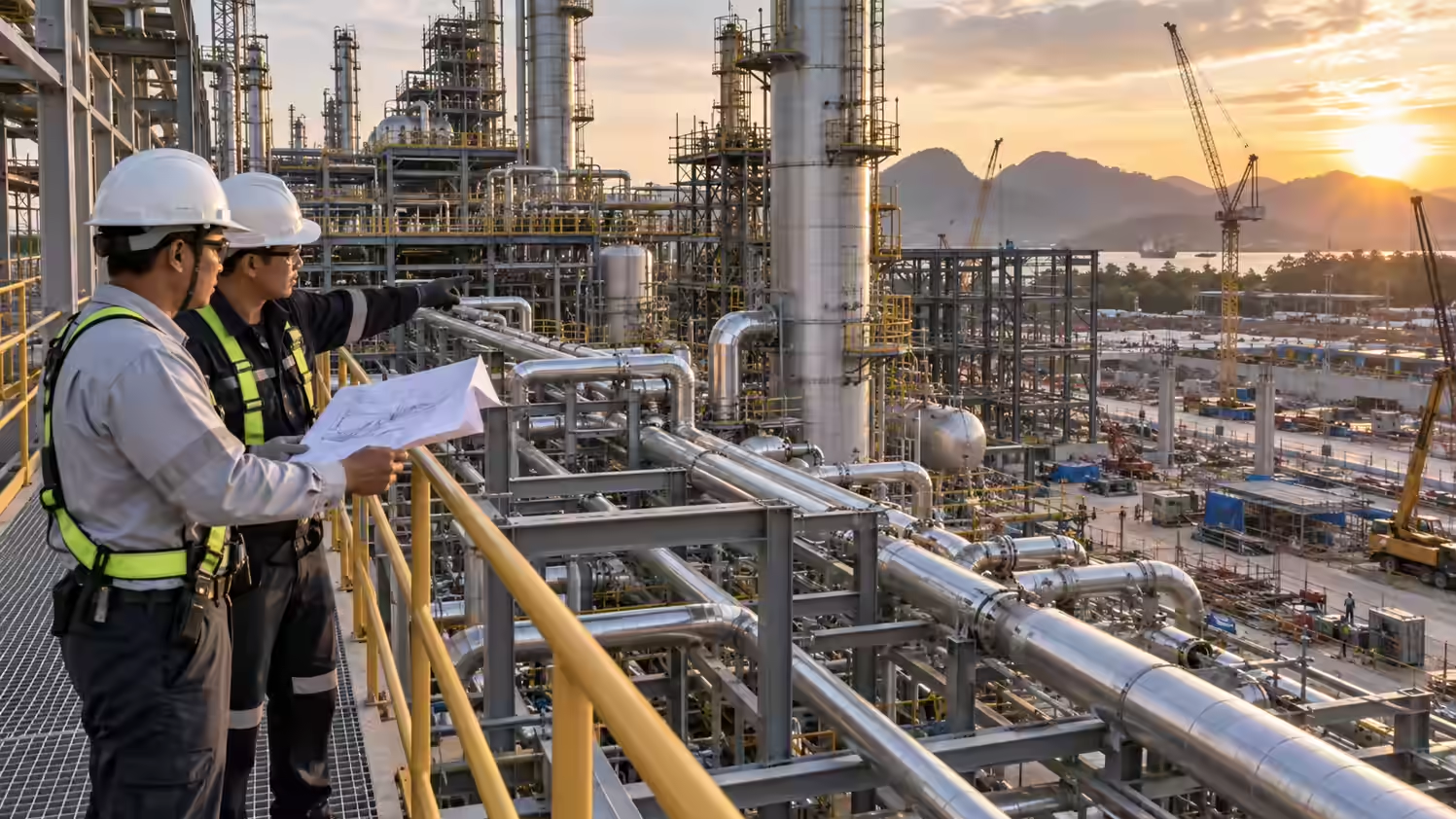
Engineers reviewing pipe installation in an industrial process plant

8. TTCL

What Stands Out: EPC delivery for process plants, petrochemicals, chemicals, energy and industrial facilities

TTCL focuses on turnkey projects combining engineering, equipment and material procurement, construction and selected post-start-up services. Its published experience is grouped across chemicals, petrochemicals and refining, fertilizer, power, oil and gas.

Who It May Suit: It may suit process-industry owners seeking an EPC contract rather than a conventional building contractor. Ask about performance criteria, equipment boundaries, technology licensors, pre-commissioning, spares, handover documentation and output guarantees.

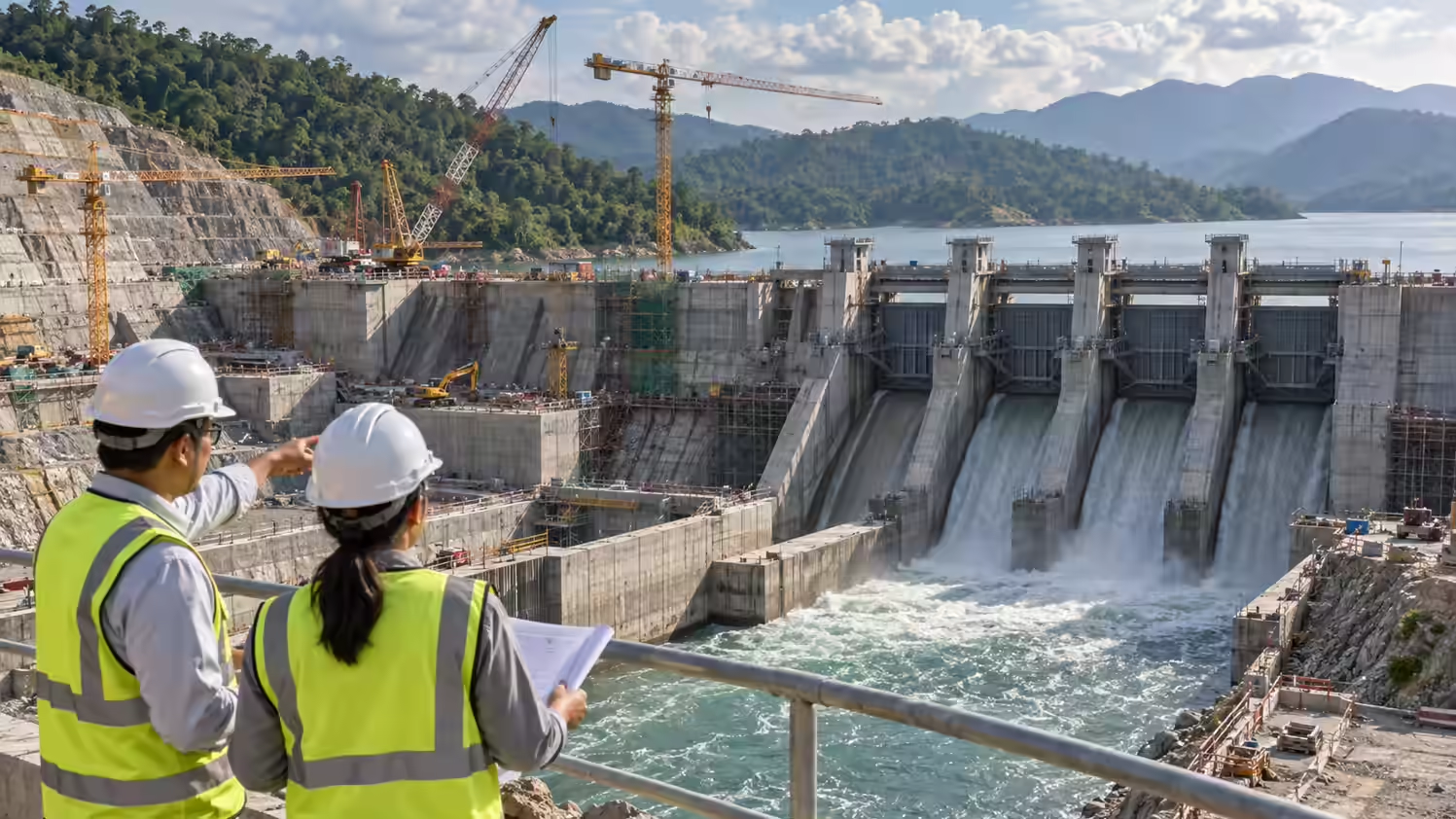
Concrete dam and water-control construction in a river valley

9. CH. Karnchang

What Stands Out: Major infrastructure spanning mass transit, roads, expressways, energy, water, ports and buildings

CH. Karnchang describes construction work for public agencies, state enterprises and private clients as a main contractor, subcontractor or joint-venture participant. Its experience is grouped across buildings, mass transit, airports, roads and expressways, energy, water systems and ports.

Who It May Suit: It is most relevant to large, technically complex civil projects and procurements involving bids or joint ventures. Clarify the contracting entity, partner responsibilities, risk allocation, utility or land interfaces and performance security.

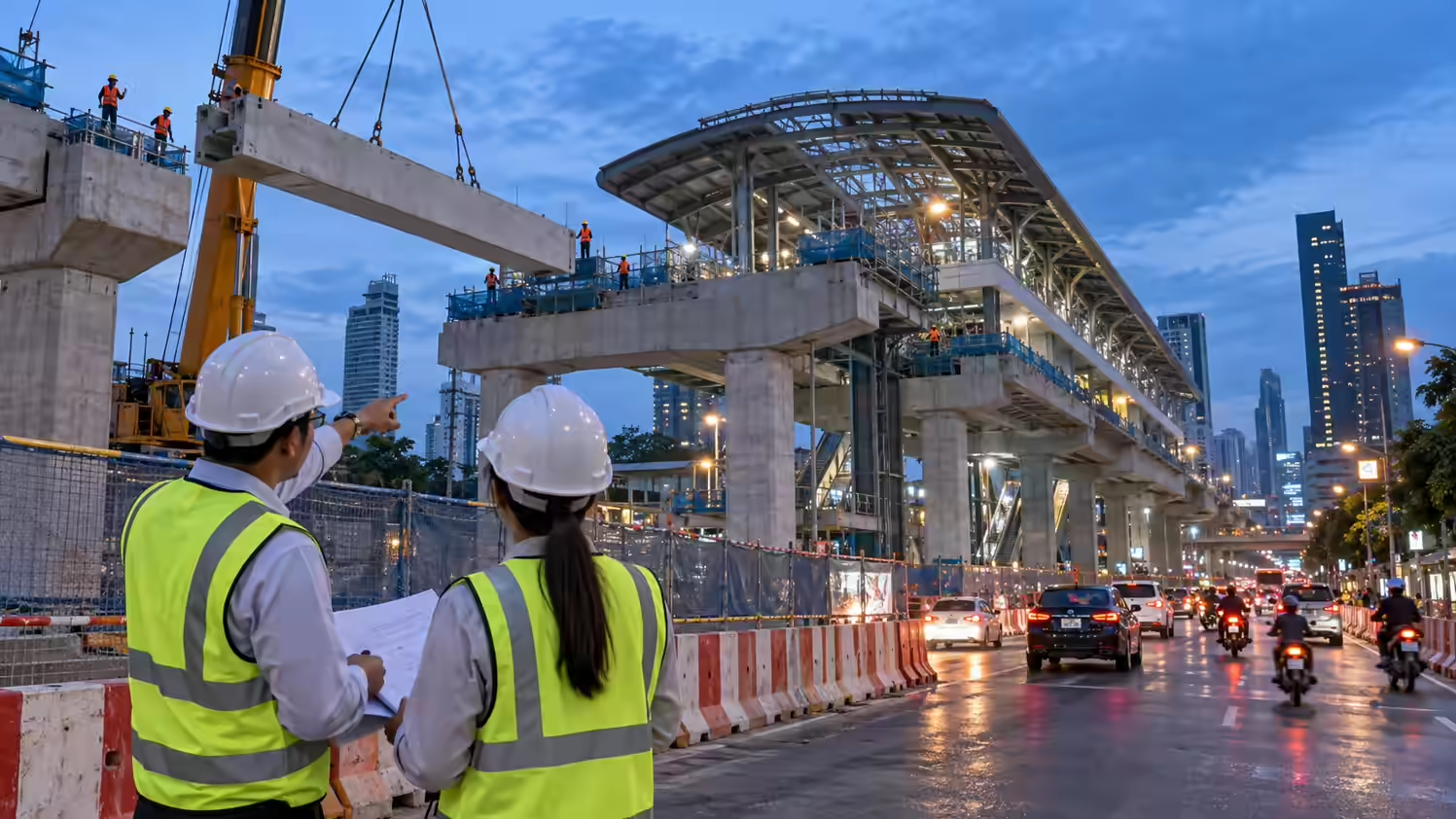
Mass-transit station construction above a city roadway

10. Sino-Thai Engineering & Construction

What Stands Out: Infrastructure, buildings, power, industrial and environmental construction

Sino-Thai Engineering & Construction groups its work into infrastructure, buildings, power and energy, industrial and environmental projects. Published examples cover mass transit, roads, bridges, hospitals, warehouses, factories, water systems and mechanical and electrical scopes.

Who It May Suit: It may suit medium-to-large public or private projects combining multiple civil and engineering packages. Confirm the exact contracting entity, named project-management team and specialist work that will be subcontracted.

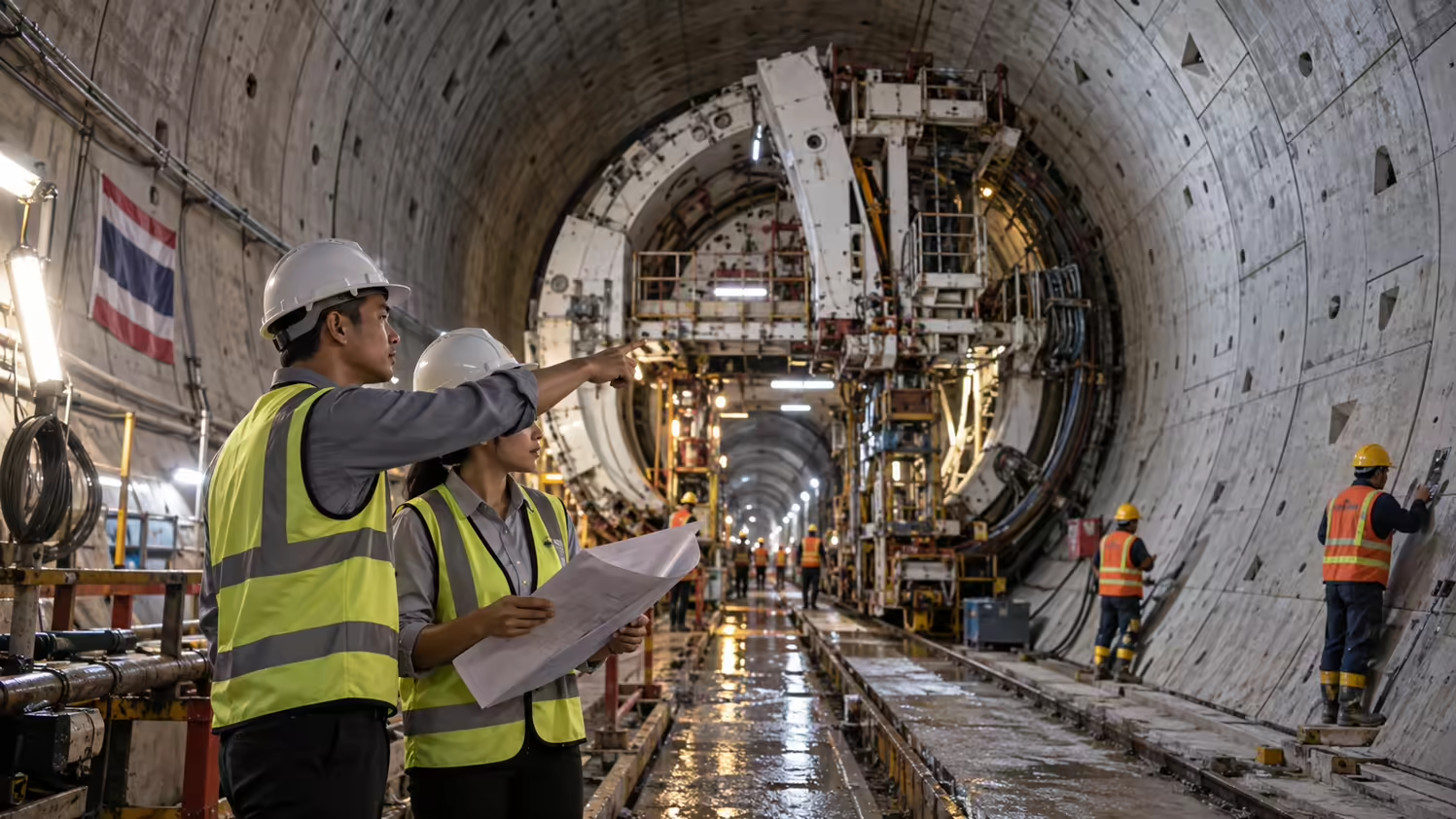
Tunnel construction equipment working on a rail project

11. Italian-Thai Development

What Stands Out: Broad civil and infrastructure work across buildings, transport, marine and industrial sectors

Italian-Thai Development lists buildings, highways, expressways, railways, bridges, mining, marine works, steel structures, dams, tunnels, industrial plants, pipelines and rapid-transit systems among its main activities. It also describes in-house support for precast components, steel fabrication and construction equipment.

Who It May Suit: It is relevant to market research for large civil and infrastructure projects, but clients should rigorously review current official disclosures, legal matters, workload, project team and present capacity. Legal and engineering advisers should examine securities, safety planning and contract protections before award.

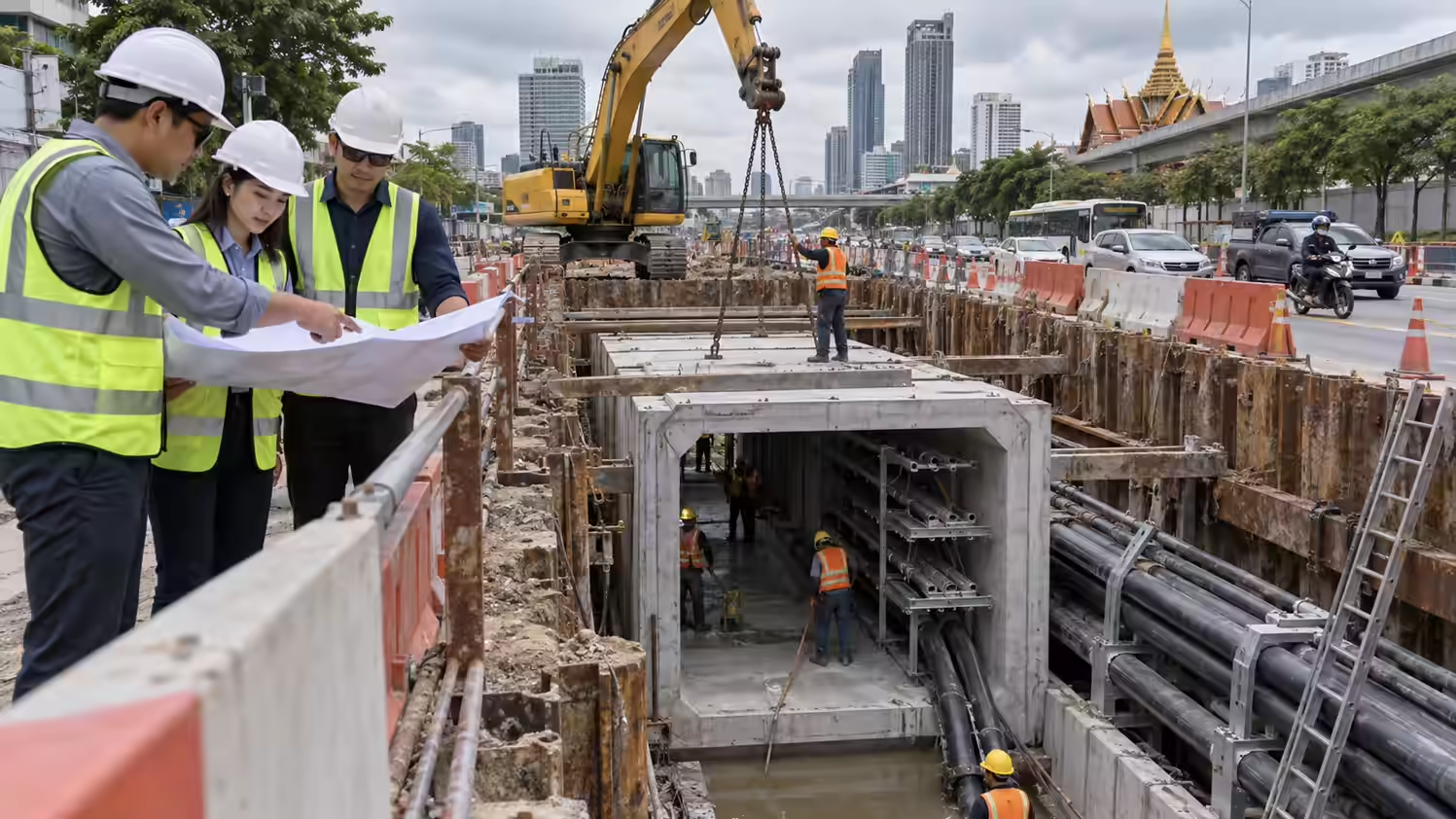
Underground utility installation beneath an urban road

12. Unique Engineering and Construction

What Stands Out: Public infrastructure focused on rail systems, bridges, roads and underground utilities

Unique Engineering and Construction states that it specializes in medium and large public-infrastructure projects for government agencies and state enterprises. Its published scope includes mass transit, steel and reinforced-concrete bridges, roads, underground utilities, steel structures, dams and retaining walls.

Who It May Suit: It may suit competitively procured infrastructure requiring heavy-civil experience and agency coordination. Review bidder qualifications, traffic management, utility relocation, specialist equipment and delivery records on similarly constrained contracts.

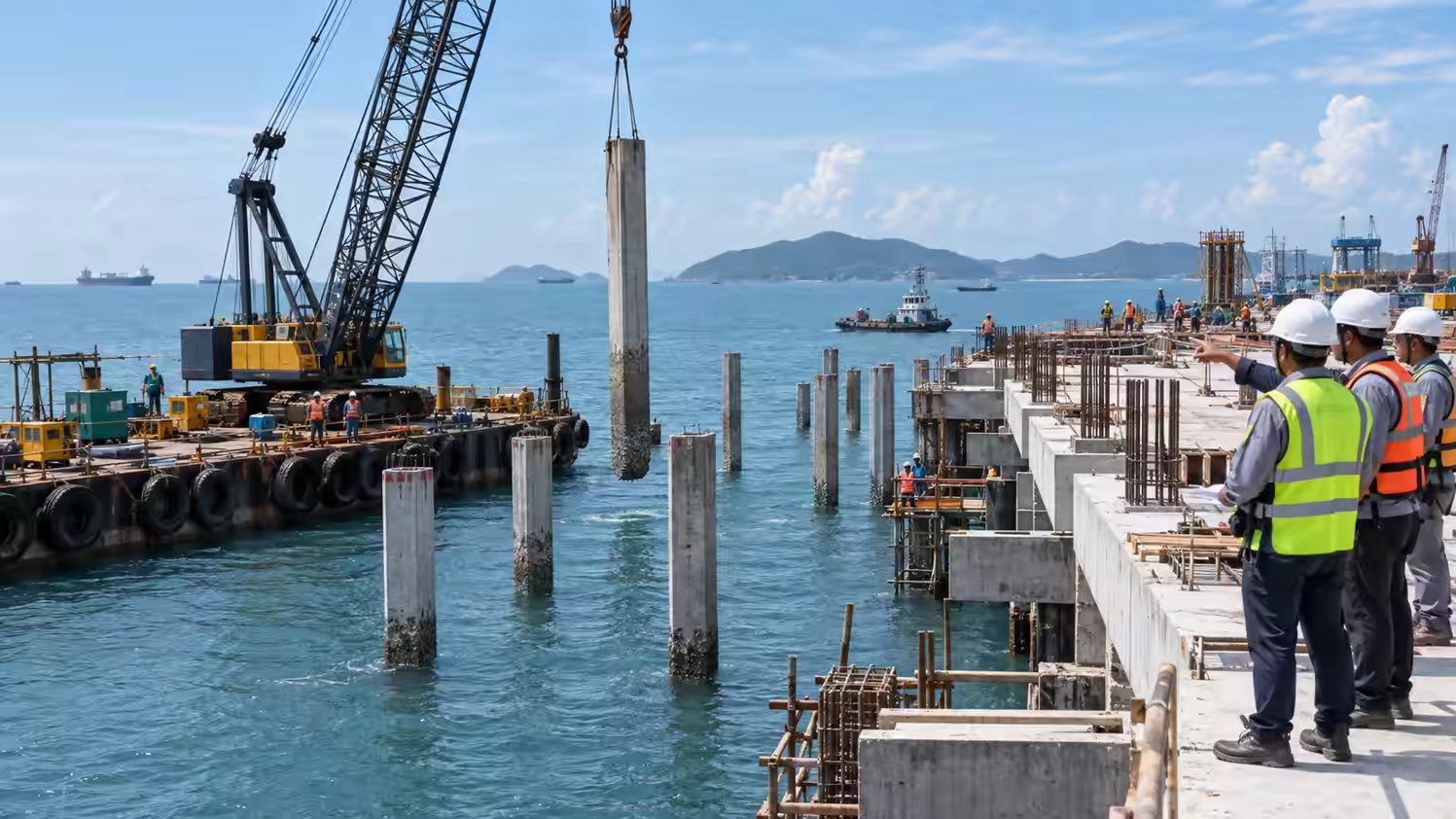
Port and jetty construction with cranes beside the water

13. Nawarat Patanakarn

What Stands Out: Contracting and EPC for buildings, plants, utilities, ports, energy, tunnels and rail

Nawarat Patanakarn describes construction for government, state-enterprise and private clients as a main contractor, subcontractor or joint-venture participant. Its scope spans buildings, industrial plants, civil works, ports, power, dams, wastewater, tunnels, underground pipes and electric rail.

Who It May Suit: It is useful for understanding a contractor with broad civil capabilities. The company website also displays 2026 business-rehabilitation updates, so clients should review the latest court orders, plan status, signing authority, workload and security before any appointment.

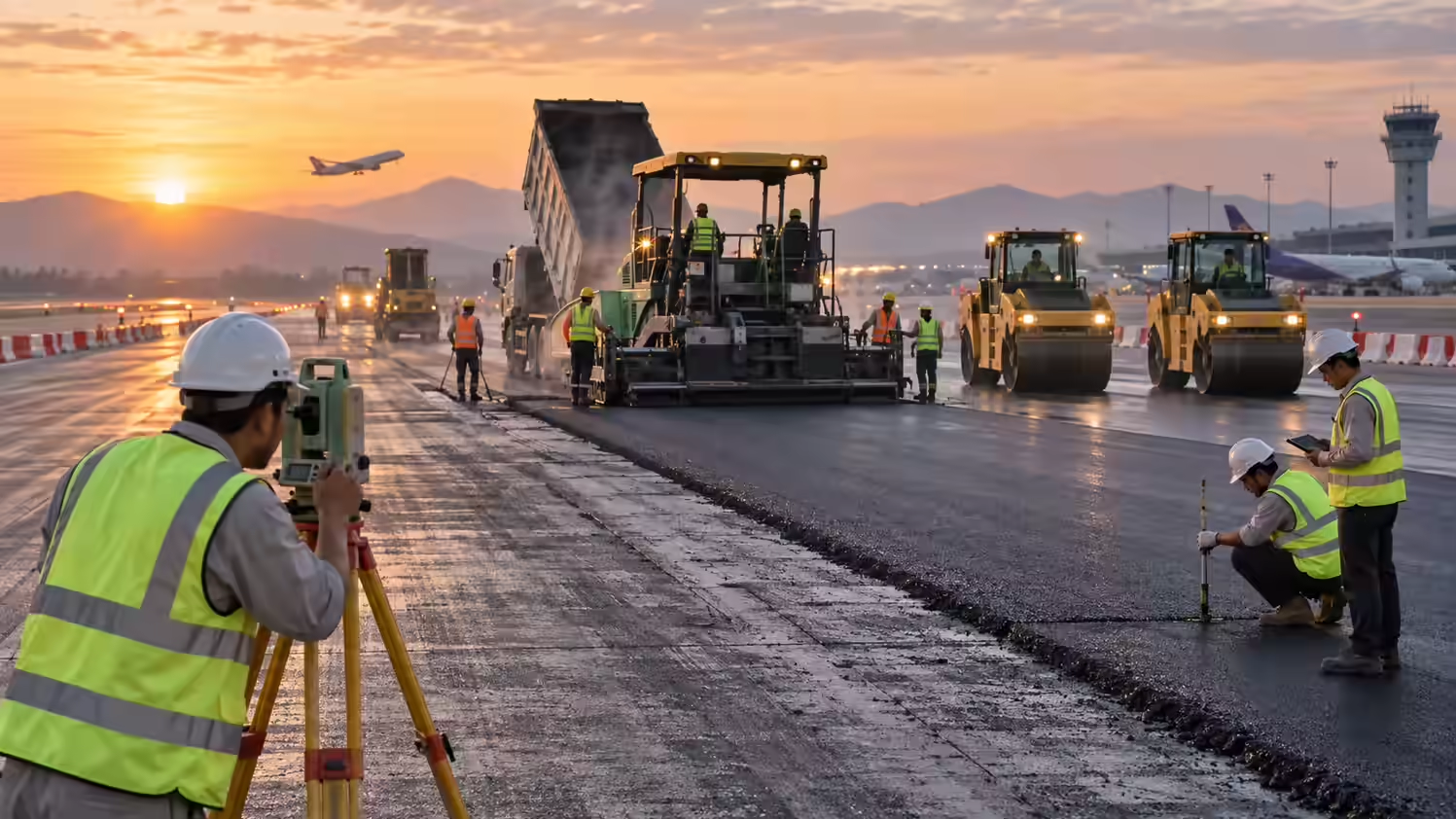
Airport runway resurfacing with paving machinery

14. Civil Engineering

What Stands Out: Roads, highways, airports, rail, dams and water infrastructure

Civil Engineering publishes references across roads and highways, airports and ports, high-speed and double-track rail, dams and water infrastructure. Its website also describes supporting production for concrete, asphalt, reinforced-concrete pipes and precast bridge components.

Who It May Suit: It may suit civil work that depends on material plants, heavy equipment and multi-location logistics. Ask about material sources, haul distances, laboratory testing, line-and-level control and verified equipment availability during the required period.

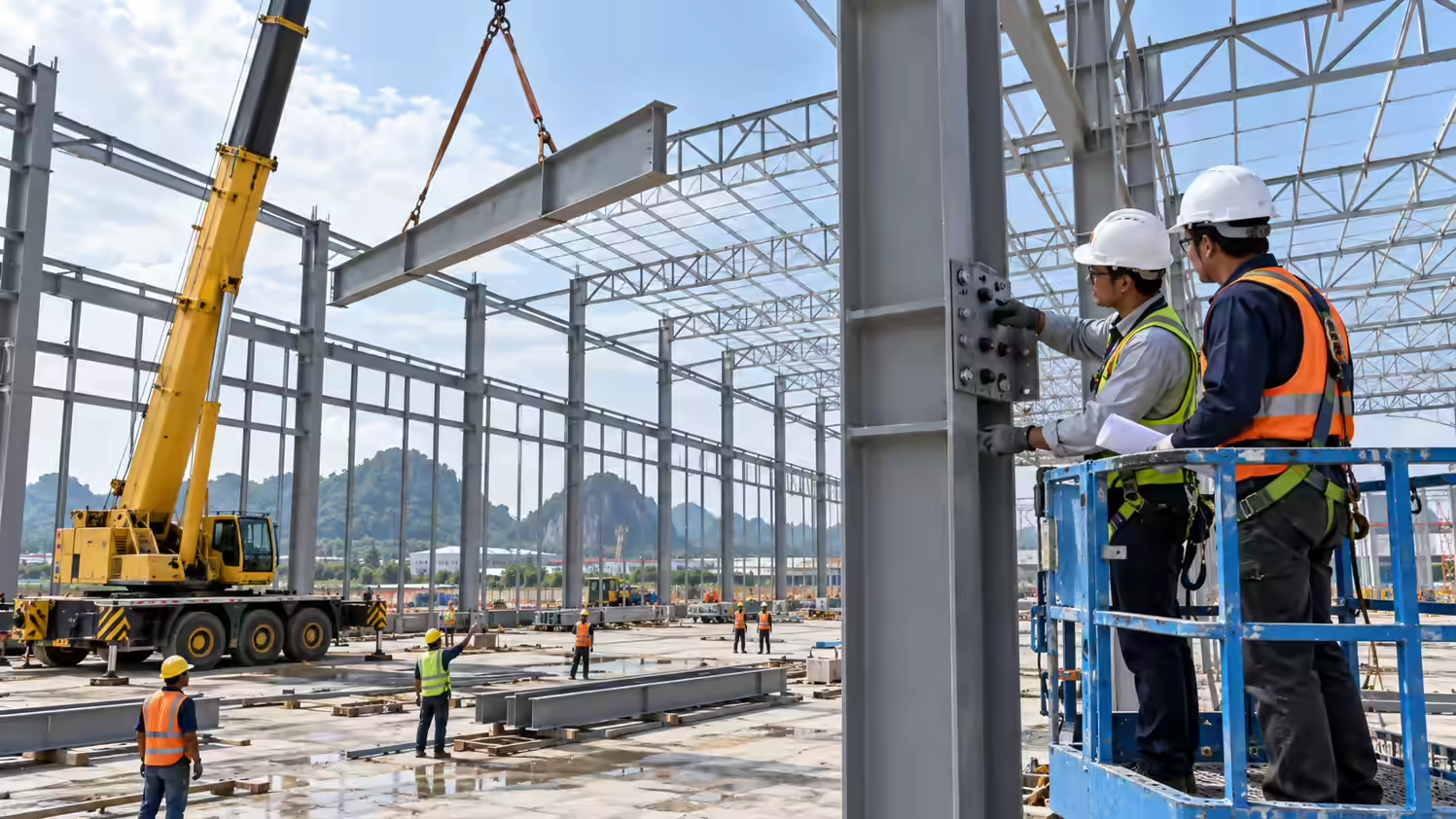
Steel-frame erection for a large industrial building

15. Christiani & Nielsen (Thai)

What Stands Out: Design and construction of buildings, civil works, steel structures and M&E systems

The company’s exchange disclosures describe design and construction across building and civil-engineering work, together with the design, fabrication and erection of steel structures and mechanical and electrical services. The published scope therefore bridges conventional building and industrial delivery.

Who It May Suit: It may suit factories, warehouses, commercial buildings and steel-framed projects requiring systems coordination. Ask where steel is fabricated, which welding and coating standards apply, how far MEP commissioning extends and which packages rely on key subcontractors.

Construction Company FAQs

Where should a contractor search begin?

Start with the building type, project scale, budget, location, required completion date and the maturity of the design. Shortlist companies with genuinely comparable experience instead of choosing on name recognition or the lowest initial price alone.

How is design-build different from traditional contracting?

Design-build places design and construction under one responsible organization, while a traditional contract usually separates the designer from the builder. Define design responsibility, professional sign-off, approvals and liability for changes before award.

Which documents should a bidder provide?

Request current company registration, tax records, relevant licences, named engineers and architects, insurance, a draft contract, programme, bill of quantities and references that can be checked directly with project owners.

How can quotations be compared fairly?

Issue one common scope and comparison schedule. Separate materials, labour, building systems, temporary works, permits, taxes, programme, warranty and exclusions. Normalize different assumptions before comparing the final price.

Should the contractor’s current financial and legal status be checked?

Yes. Review company records, financial statements, exchange disclosures where applicable, public rehabilitation or litigation information, existing-project status and current workload. A familiar name and historic portfolio do not prove that today’s resources and cash flow are sufficient.

What belongs in a construction contract?

Define the scope, hierarchy of drawings and specifications, price, payment milestones, programme, material approvals, variations, delay remedies, warranties, insurance, safety duties, acceptance process, dispute resolution and rights following default.