What types of steel piles are available?
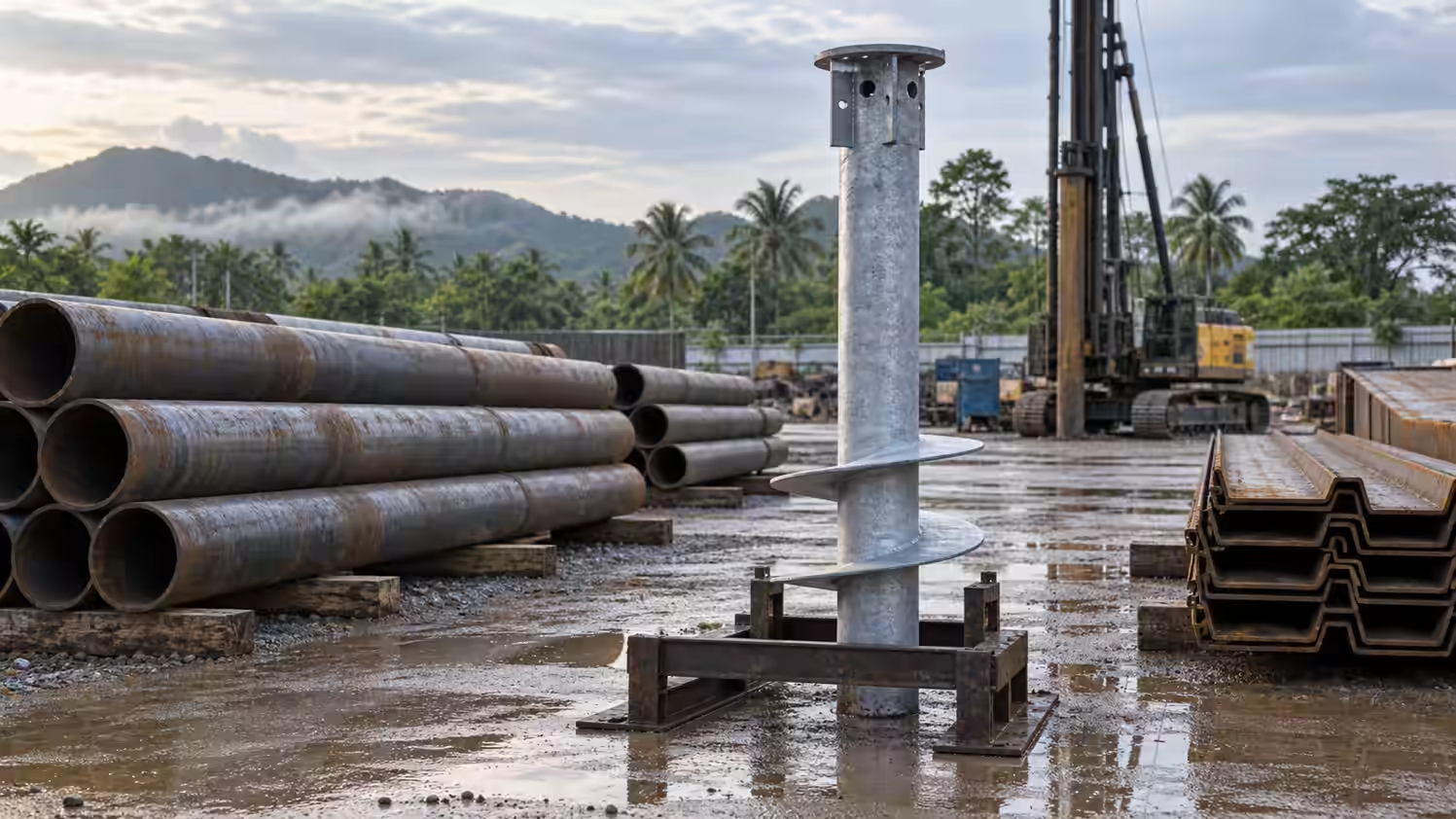
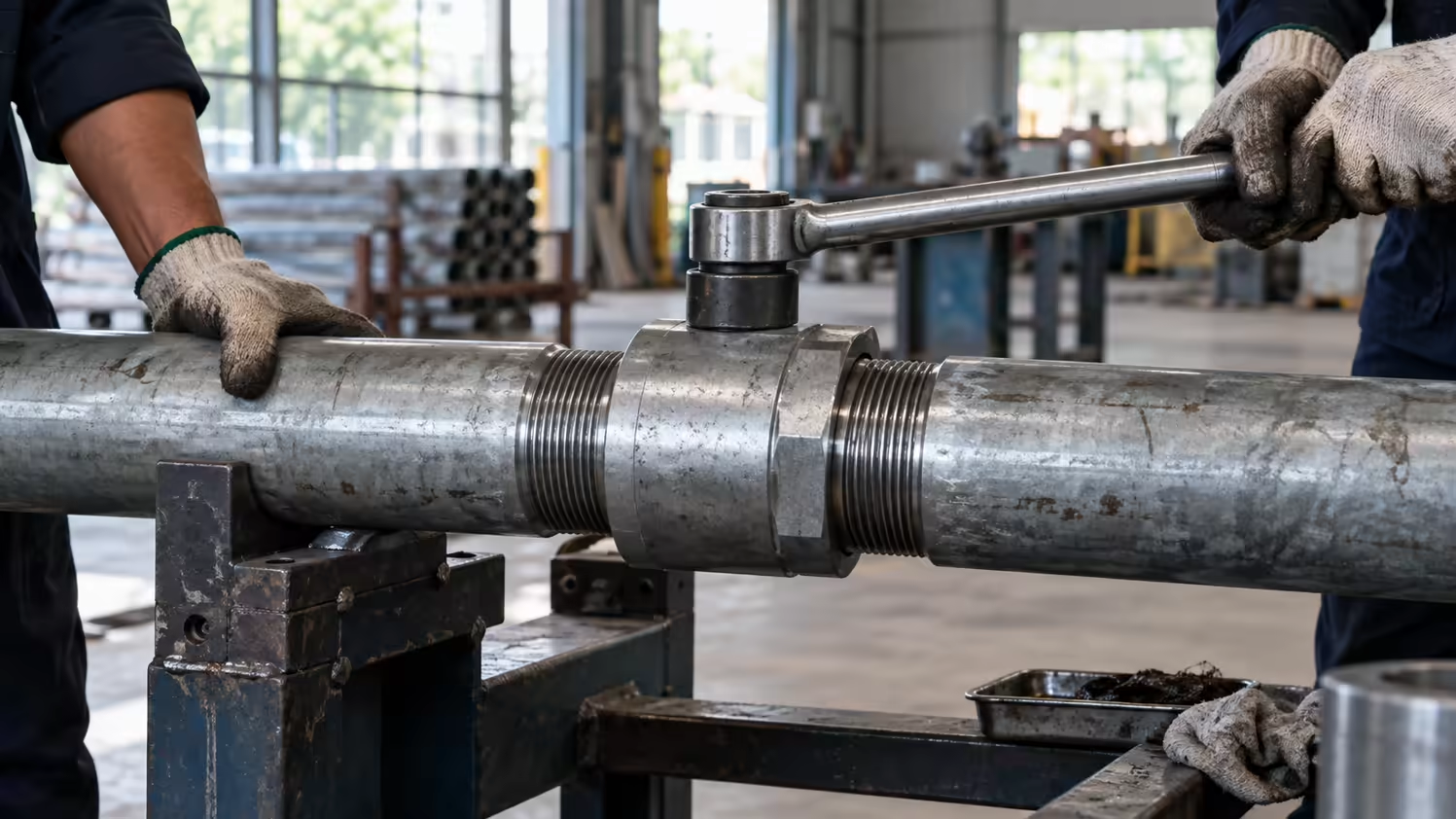
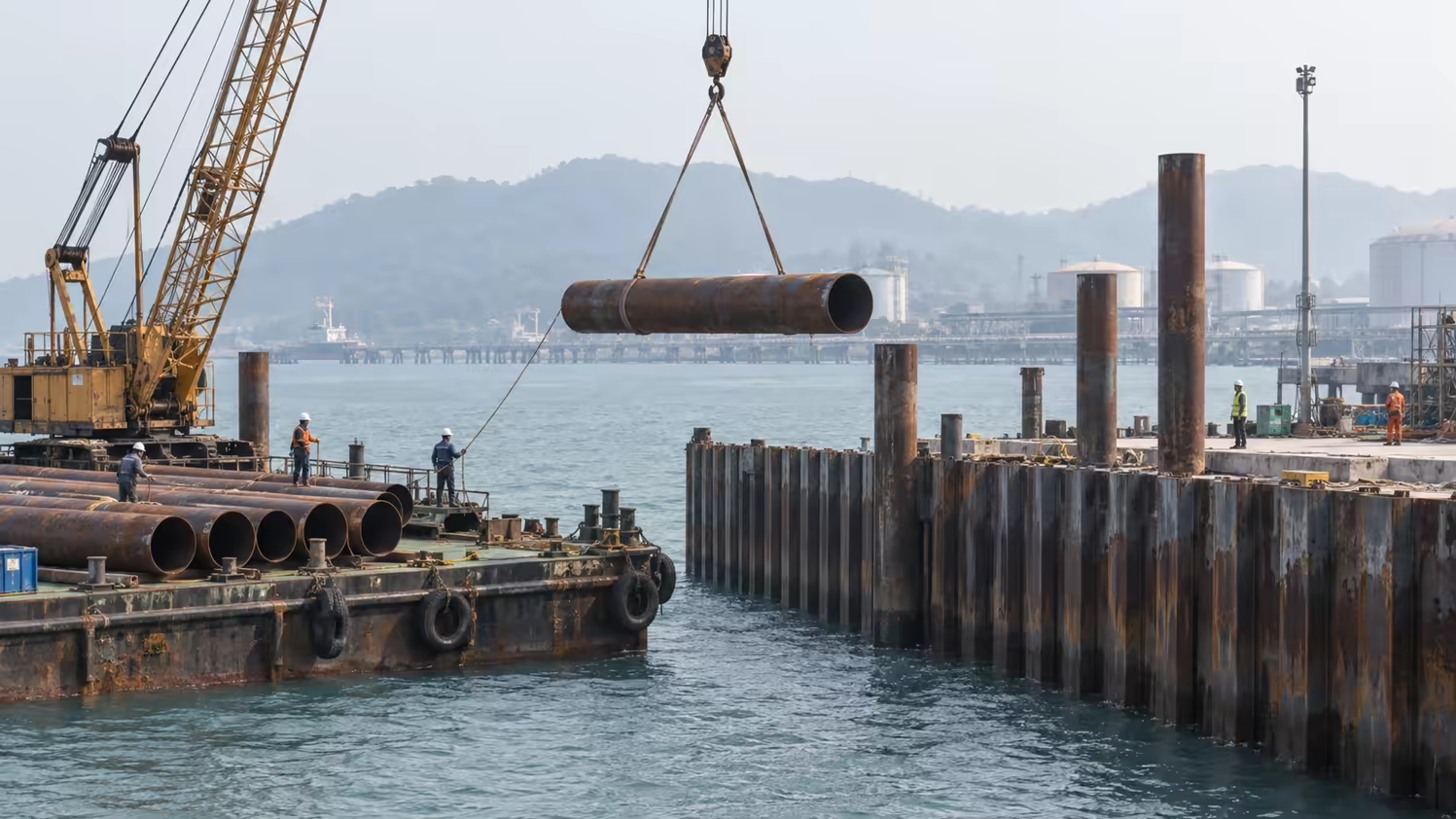
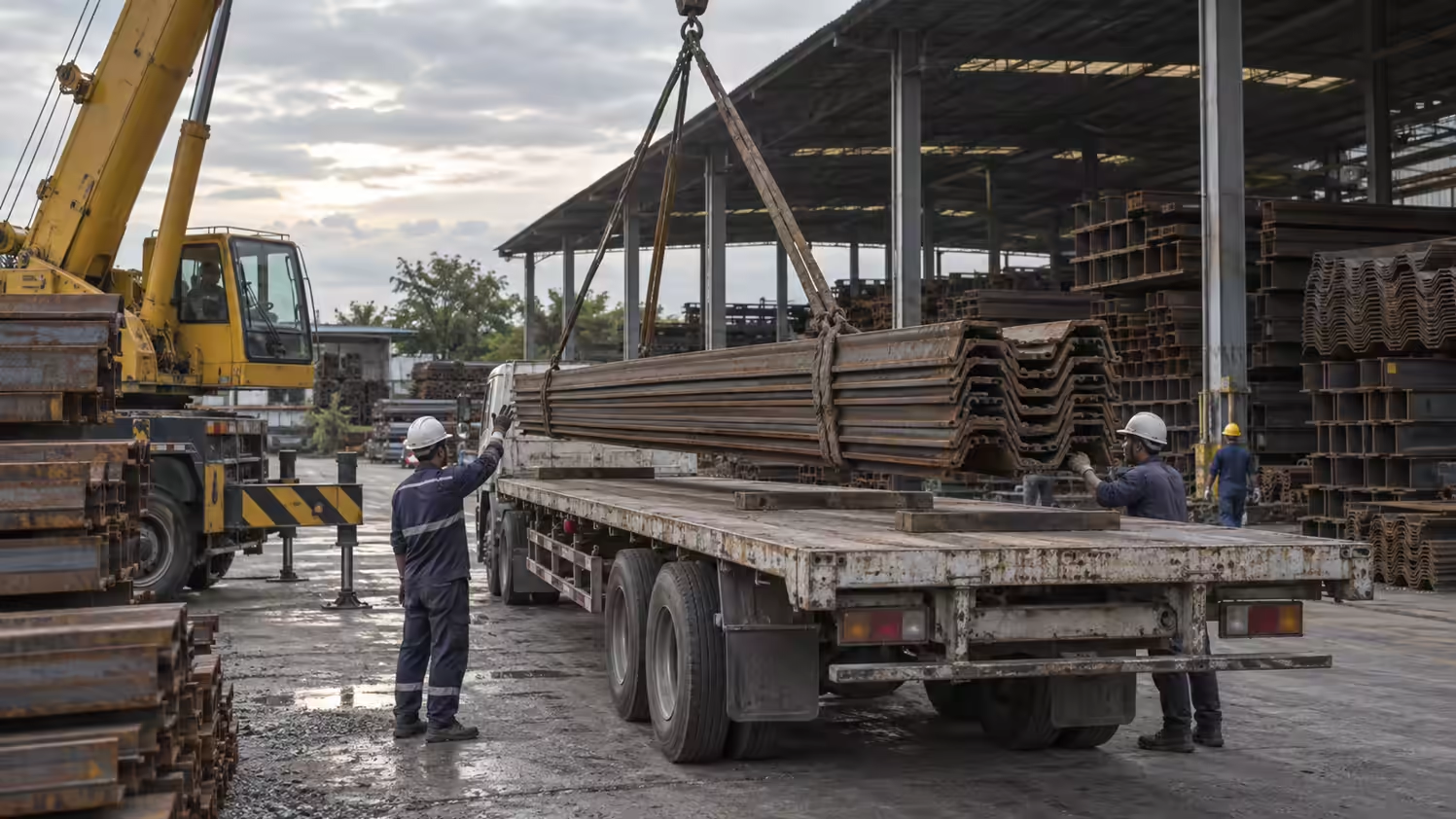
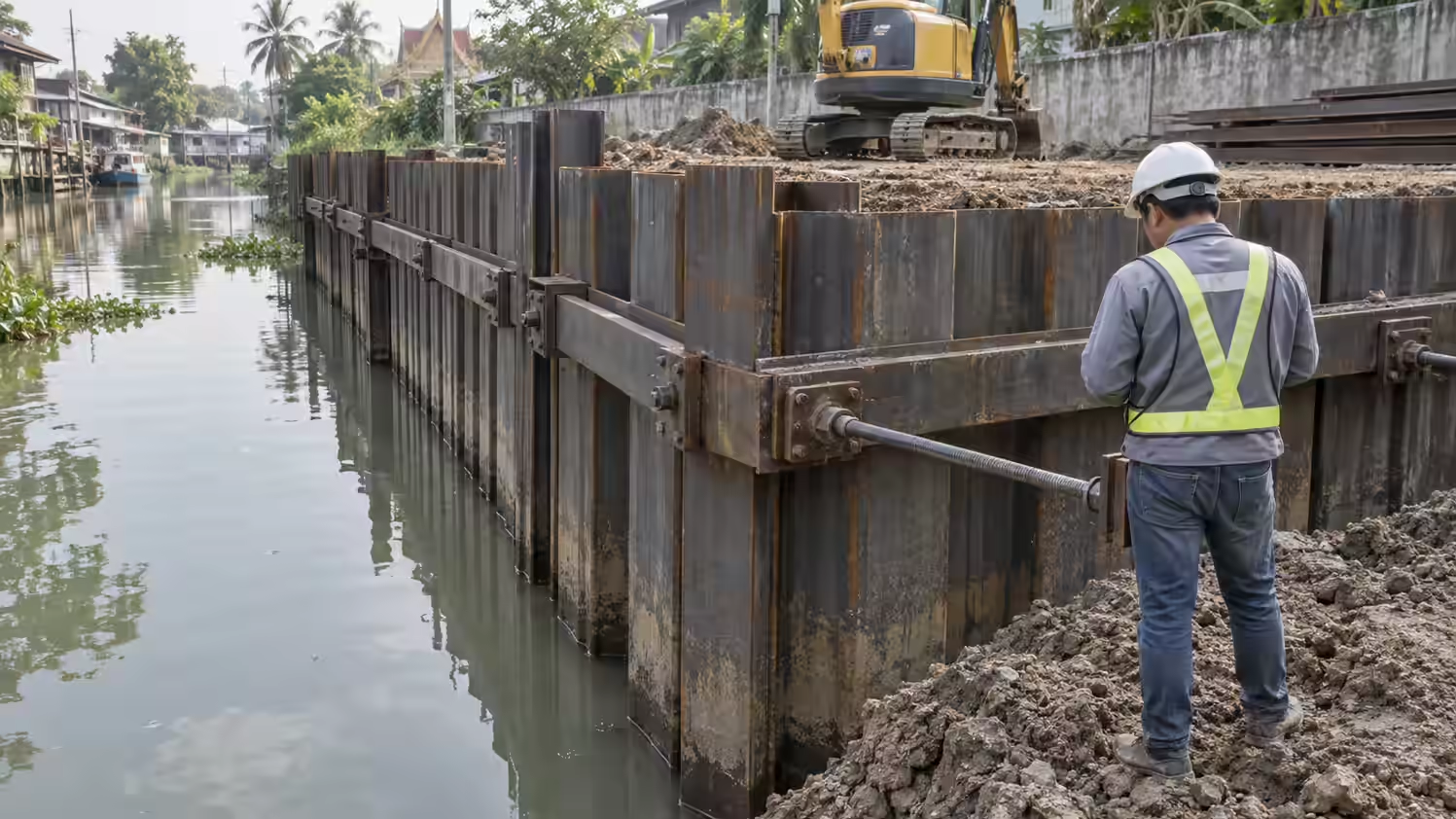
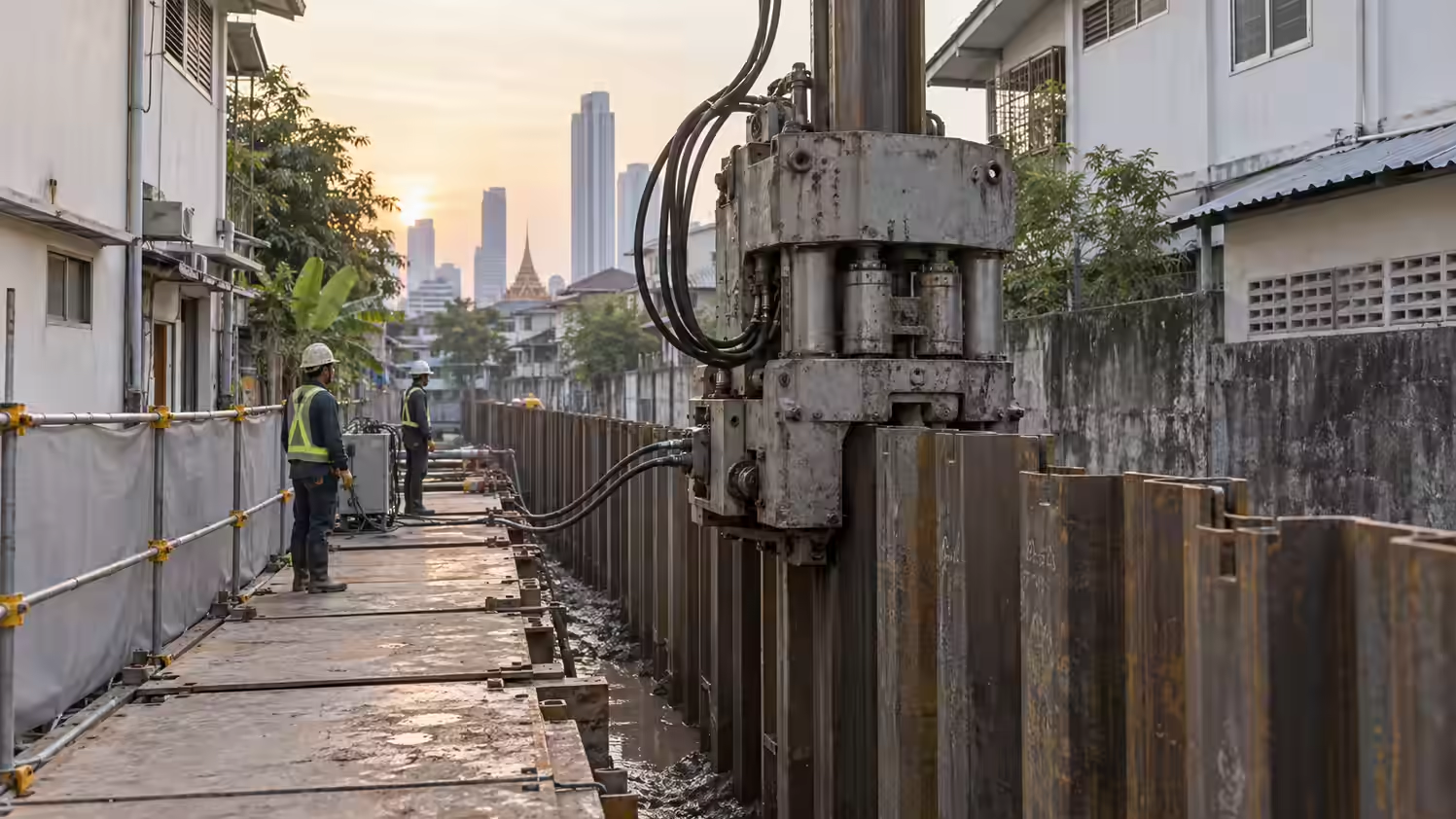
The term can include helical piles driven by torque, steel pipe piles installed by driving or pressing, and interlocking sheet piles used to retain soil or water. Each system has different design, equipment and acceptance requirements, so the material name alone is not enough to choose a solution.
How is a helical pile different from a steel pipe pile?
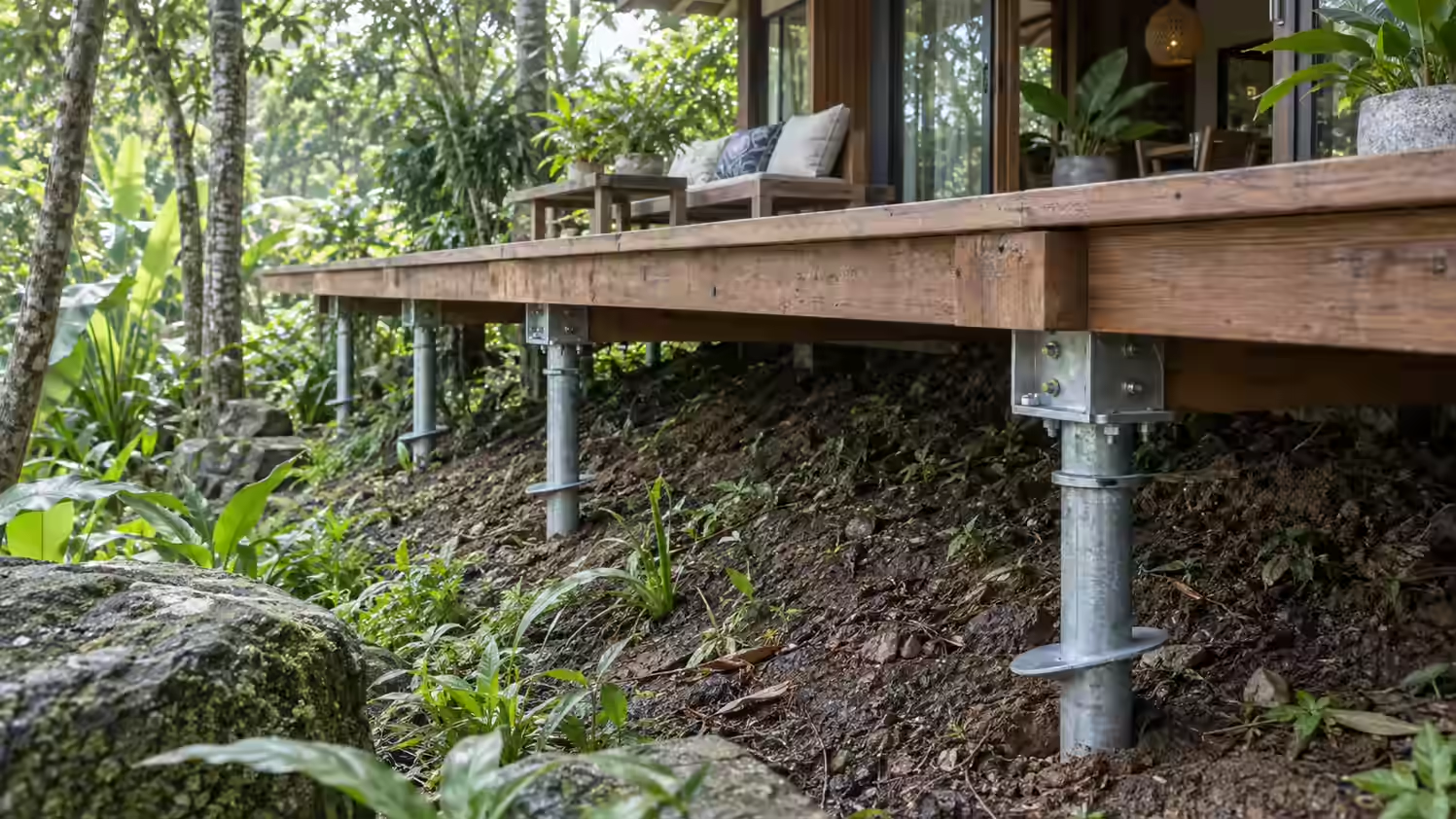
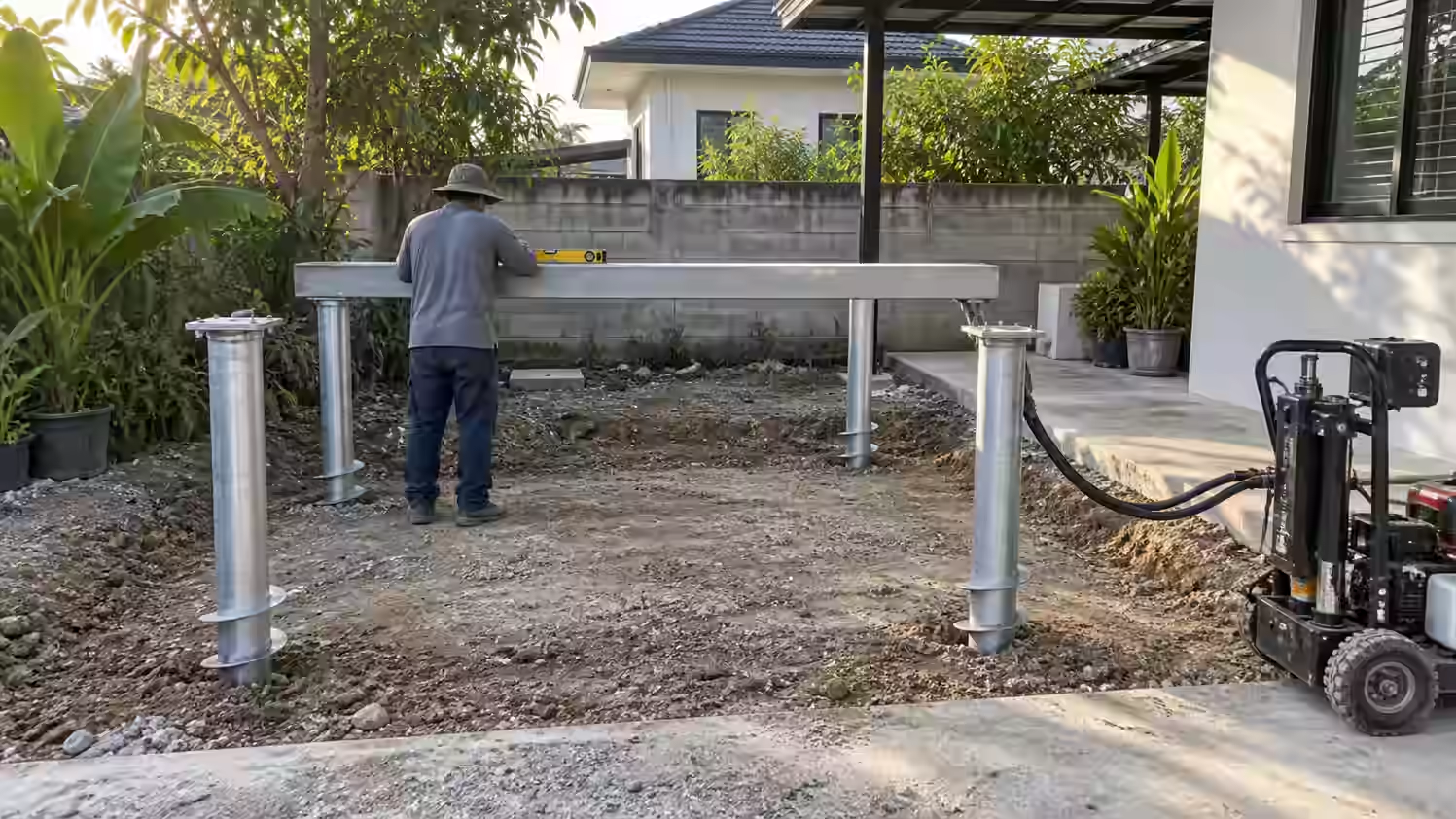
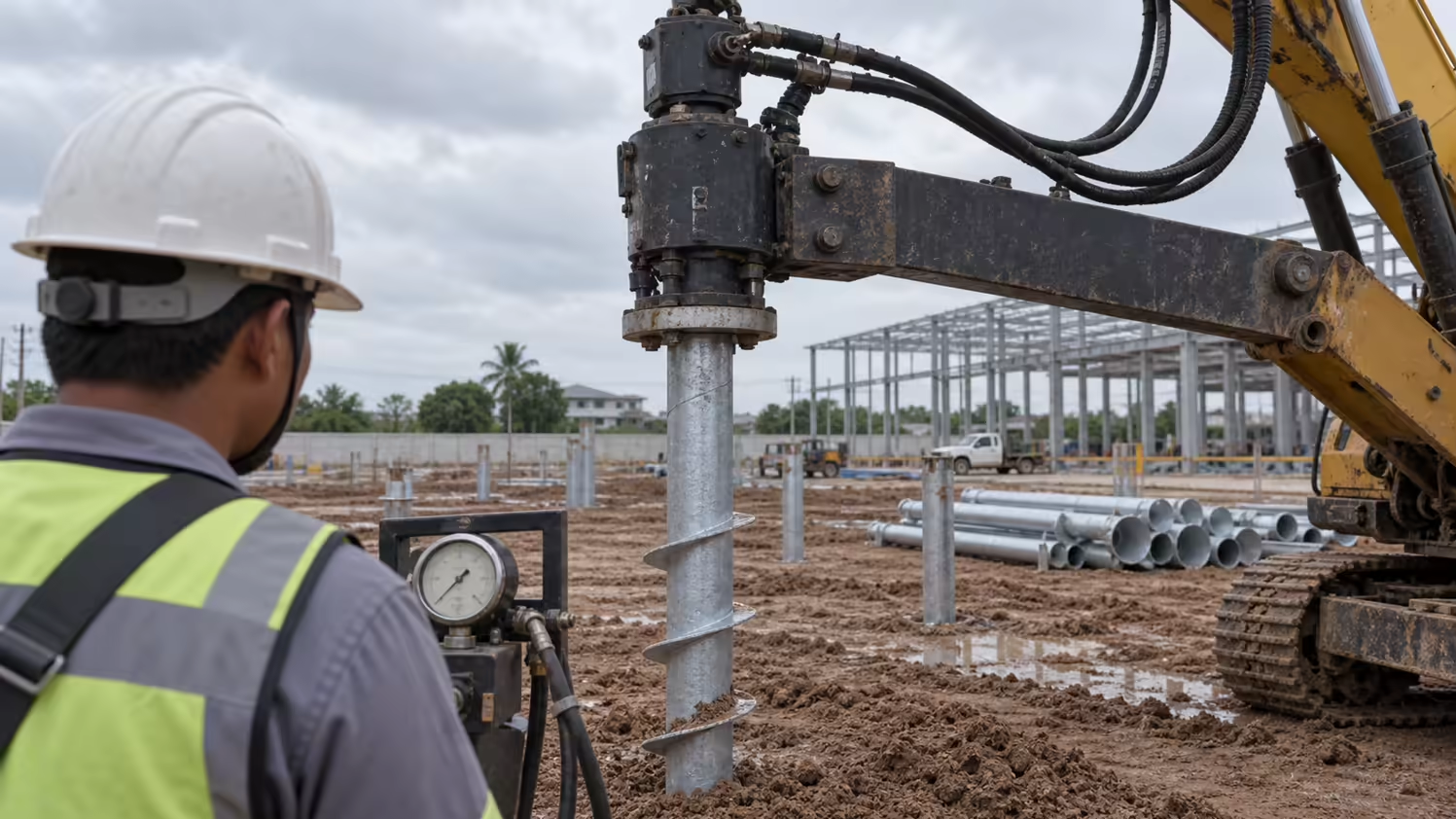
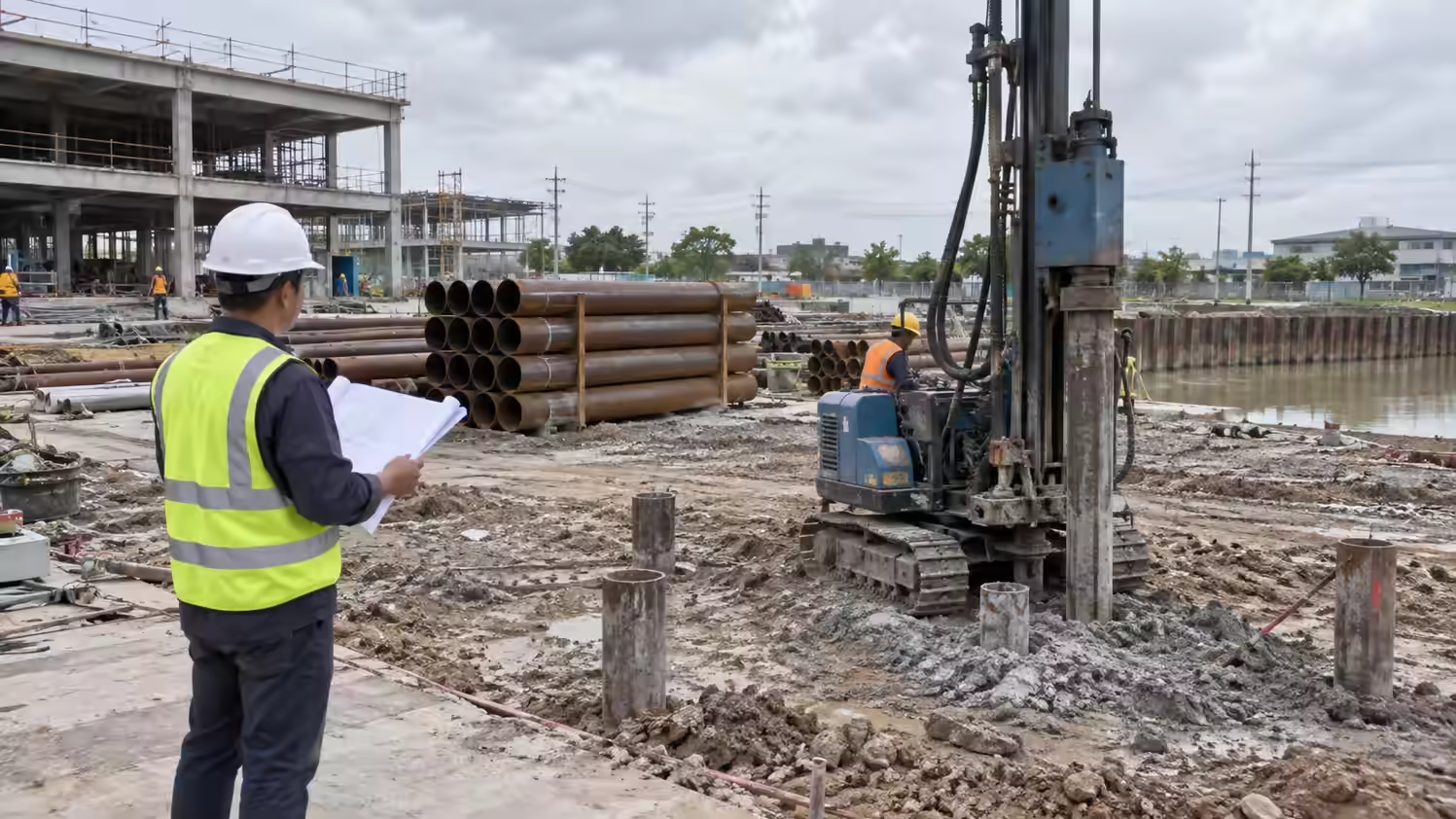
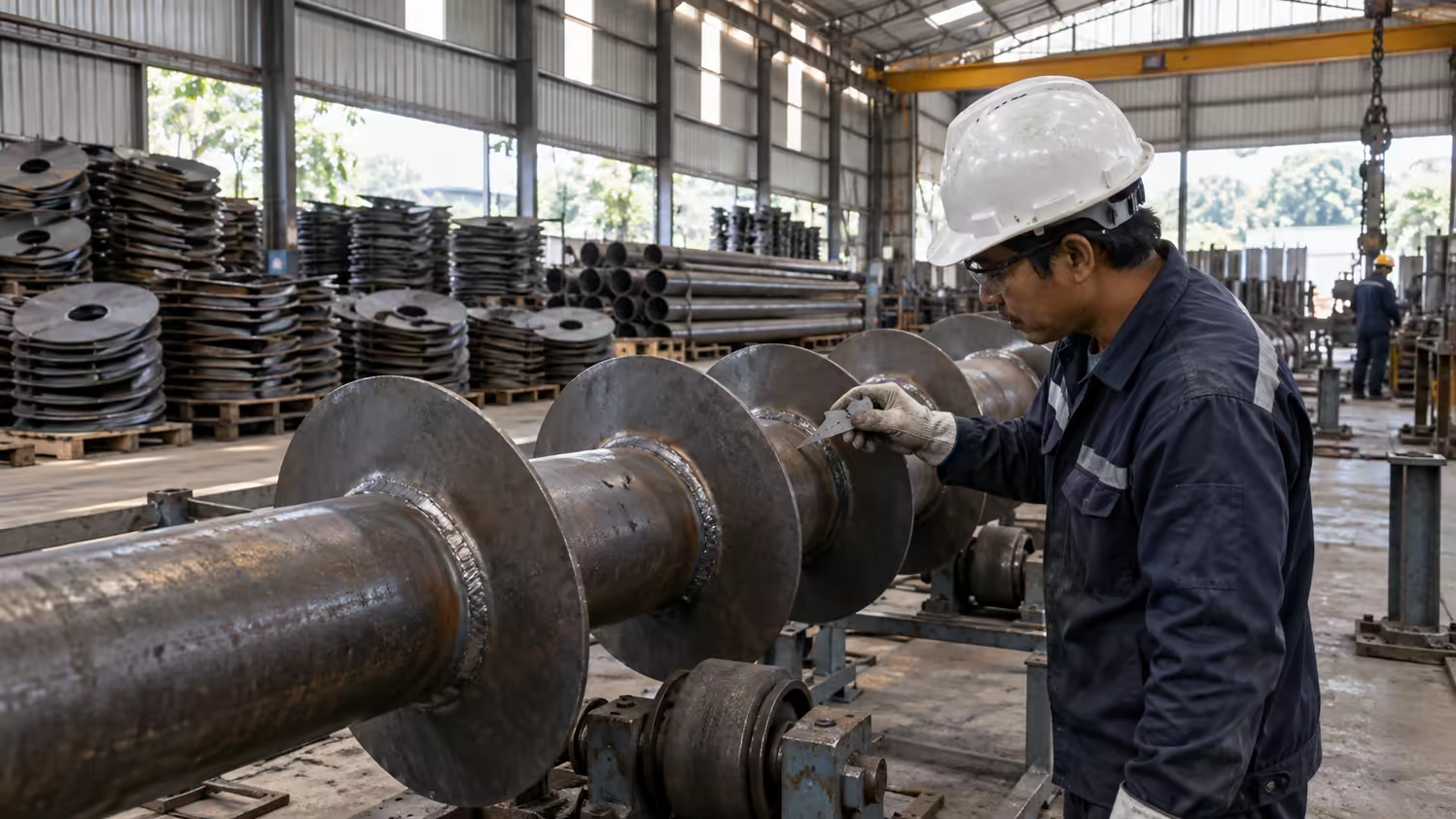
A helical pile has one or more plates welded to a shaft and is installed by rotation. A plain steel pipe pile may be driven, pressed or drilled according to the design. Loads, soil, access, vibration limits and nearby structures determine which method is appropriate.
Can sheet piles carry a building?
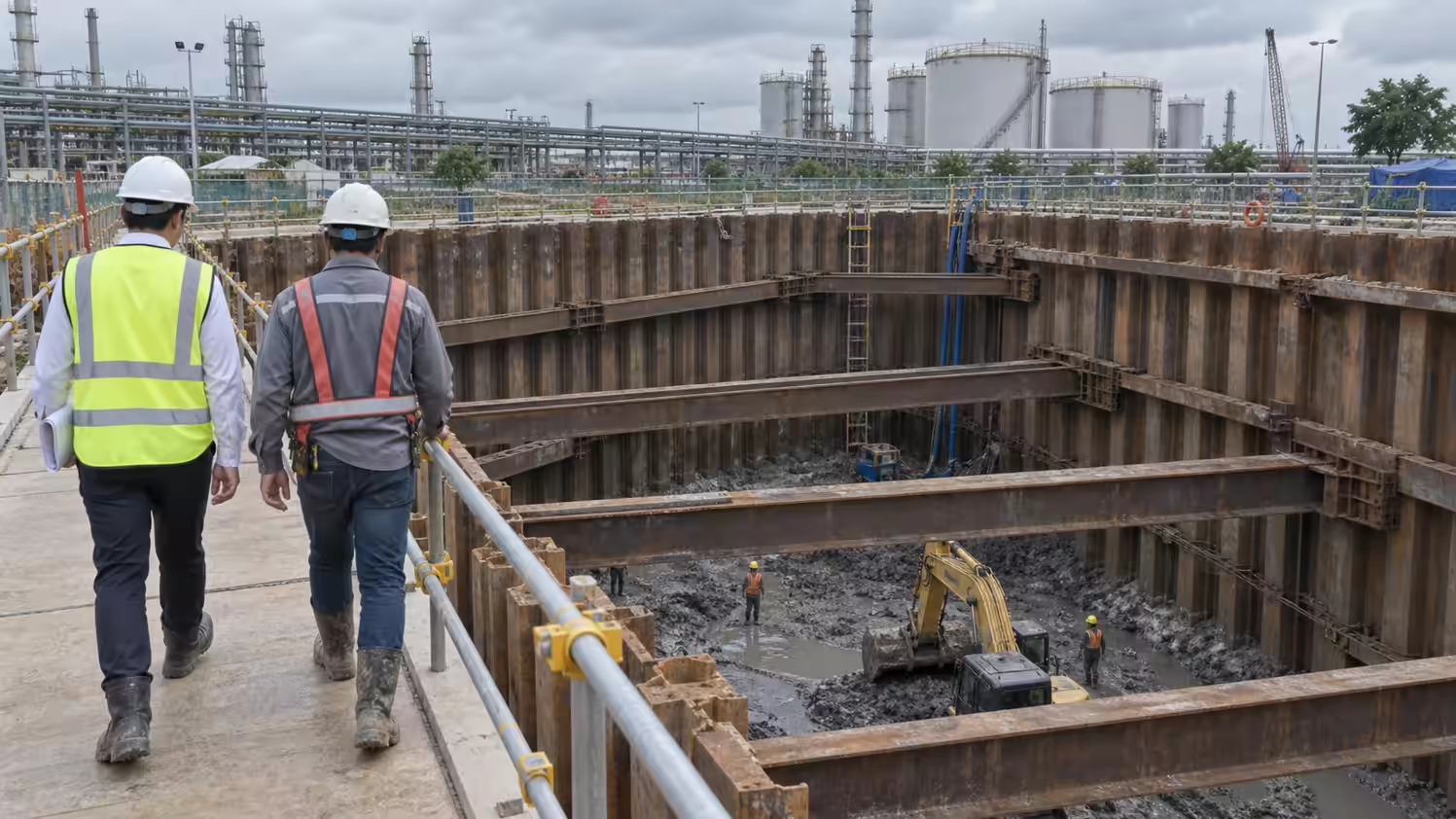
Sheet piles are commonly used for earth retention, water control and excavation support. They should not be treated as a substitute for load-bearing foundation piles unless an engineer has specifically designed and documented that structural role.
What information should be prepared for a quotation?
Provide the site location, building drawings, foundation loads, levels, equipment access, soil information, distance to neighboring buildings and working-hour limits. If information is incomplete, require every bidder to state assumptions, exclusions and provisional quantities.
Are soil and pile tests necessary?
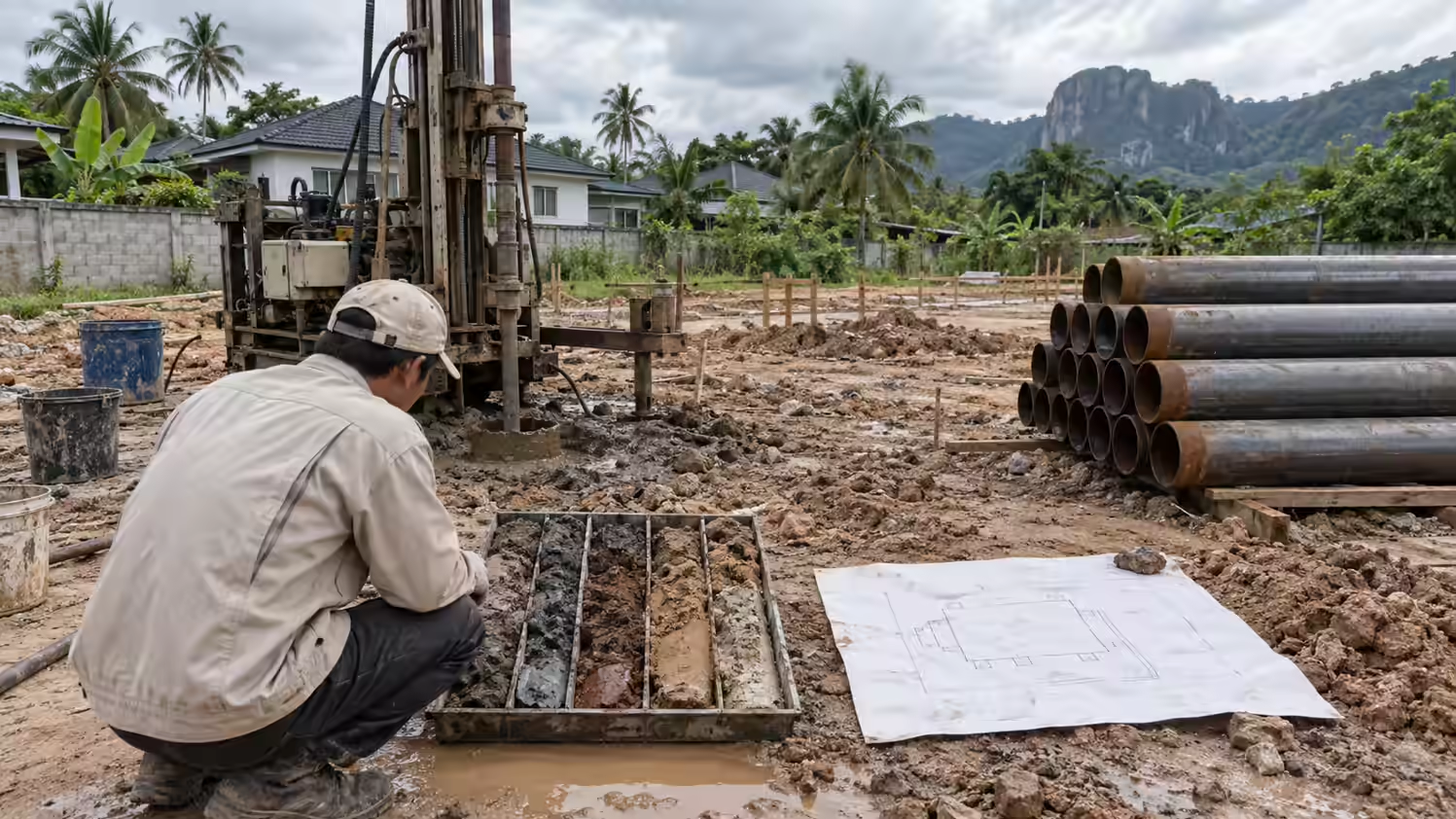
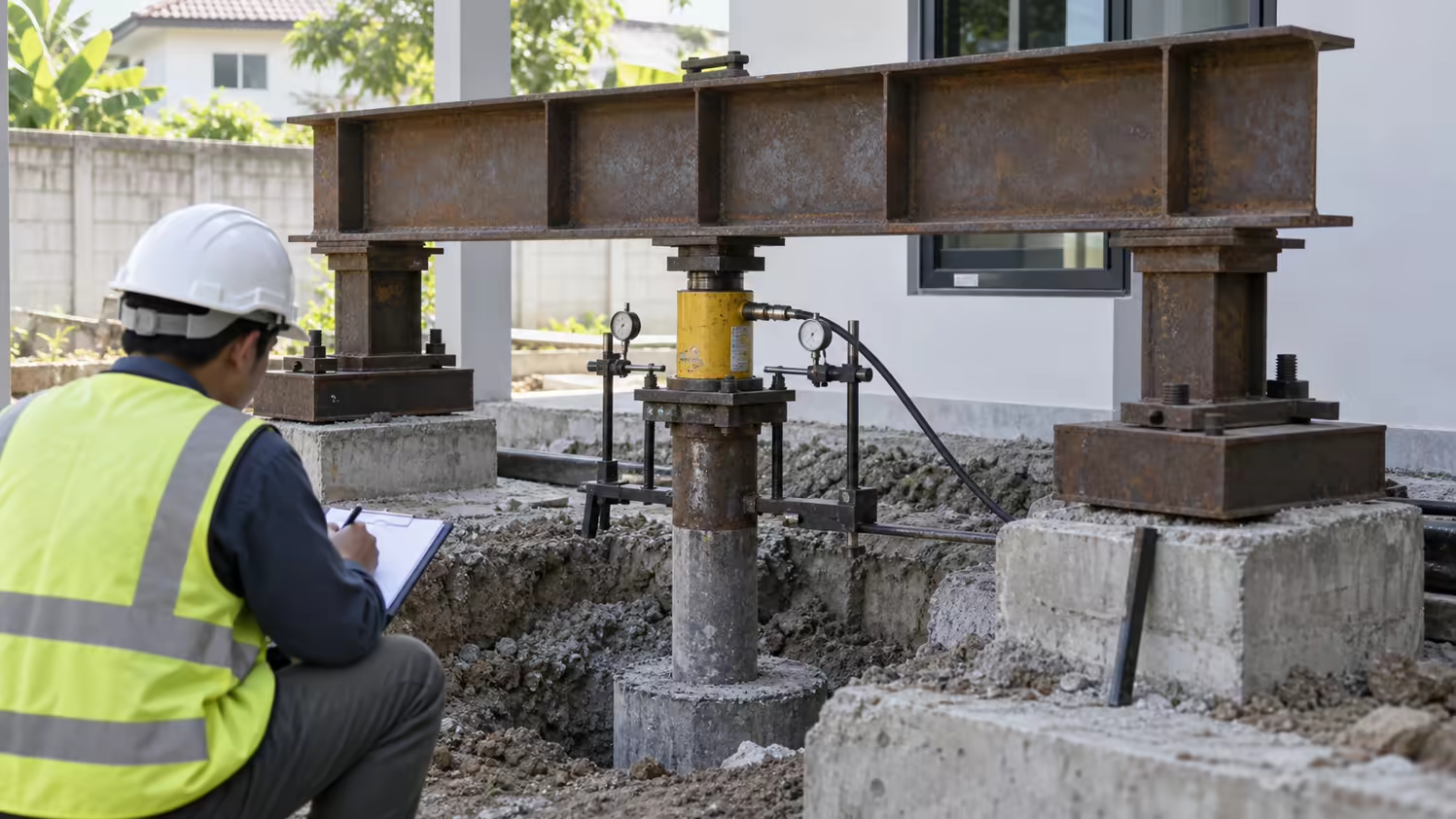
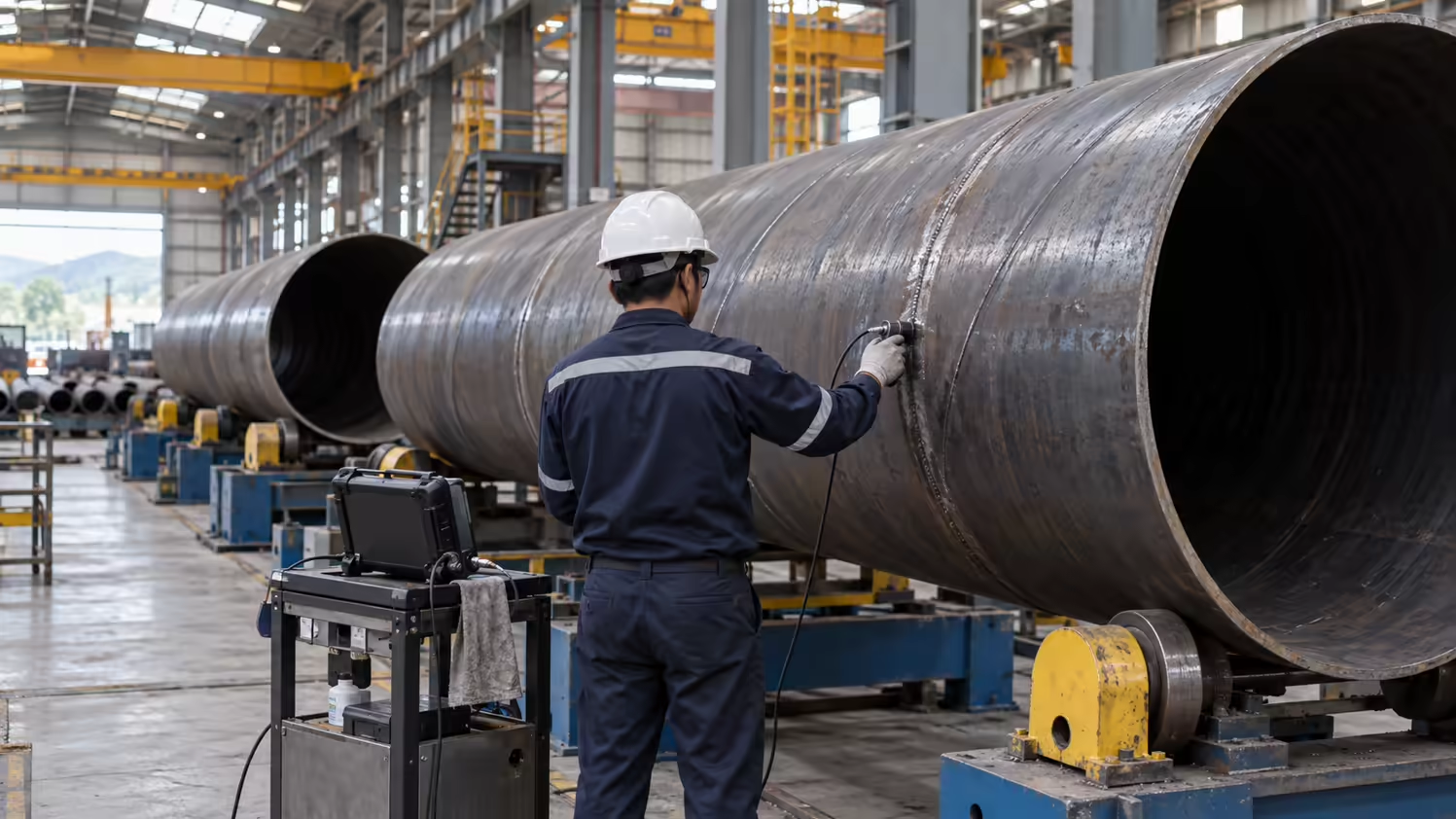
The level of investigation depends on project scale and risk, but soil data usually improves decisions about pile type, length and quantity. The design should also state acceptance records such as installation torque, load testing, weld inspection or sheet-pile line and level.
Should companies be compared on price alone?
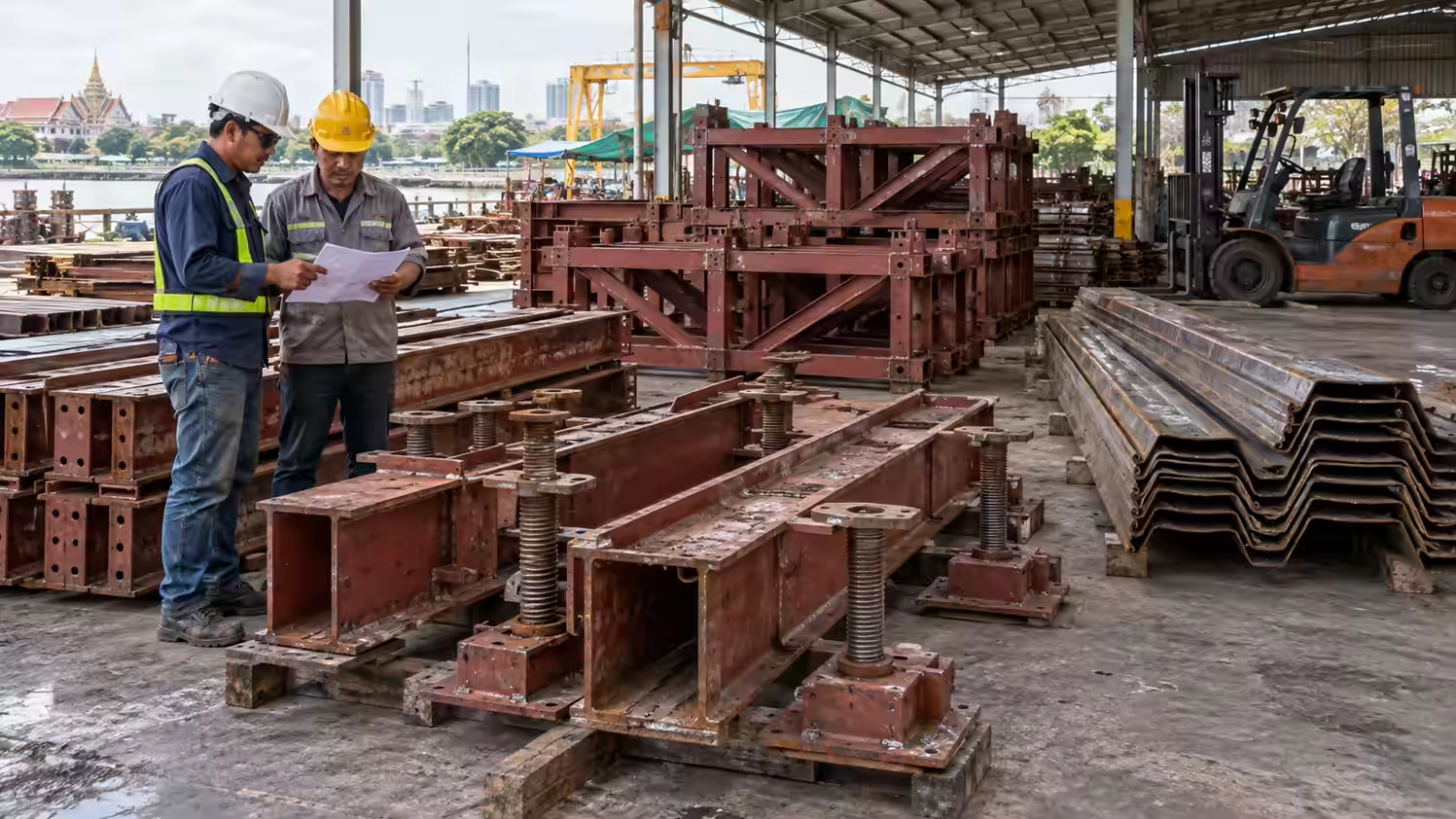
No. One company may supply steel, another may rent equipment, while another includes design, installation and testing. Compare the same steel grade, standard, length, quantity, connections, corrosion protection, machinery, inspection plan, schedule, warranty and signing responsibility.