Skip to content

15 Automated Warehouse Companies in Thailand

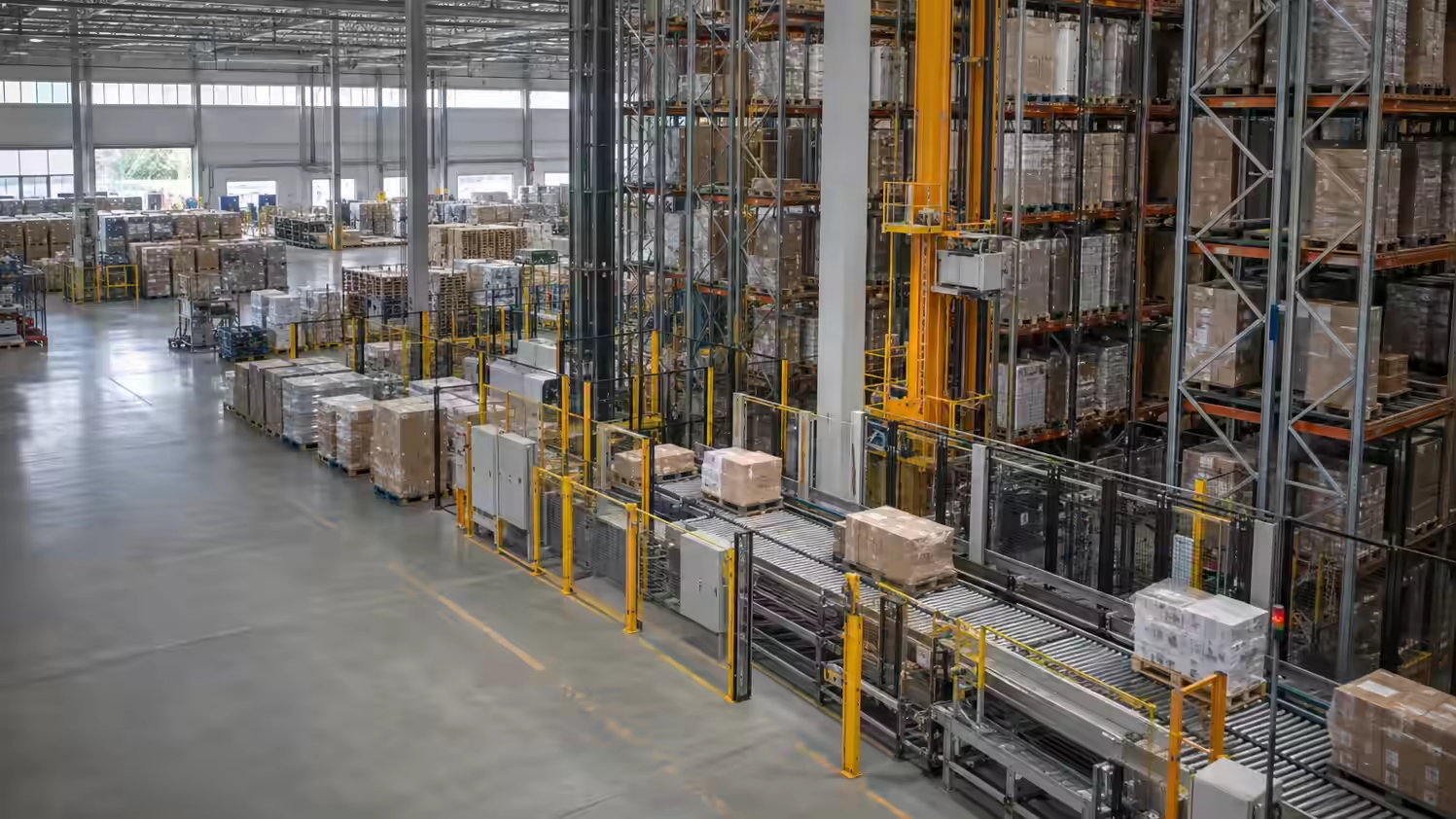
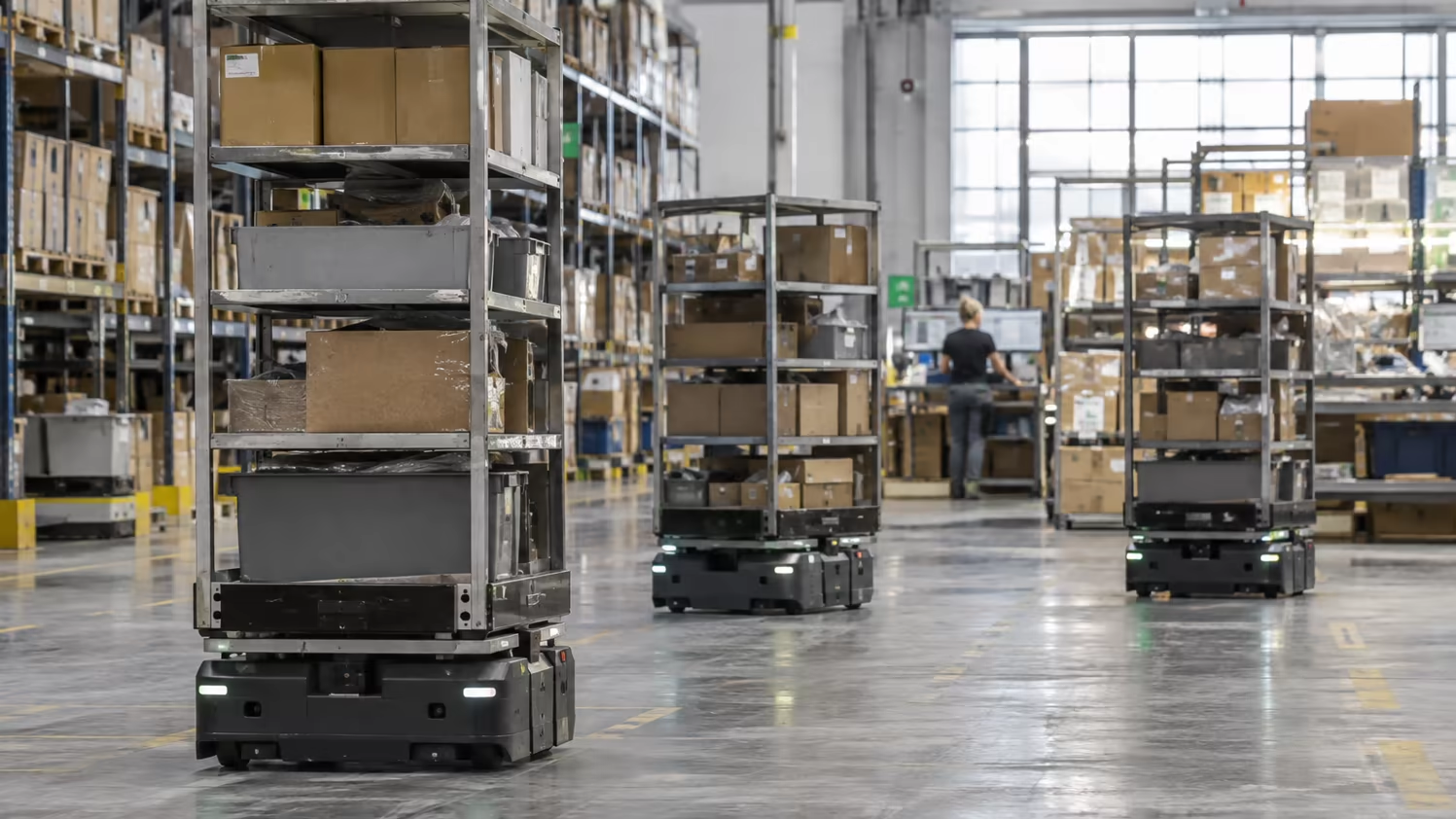
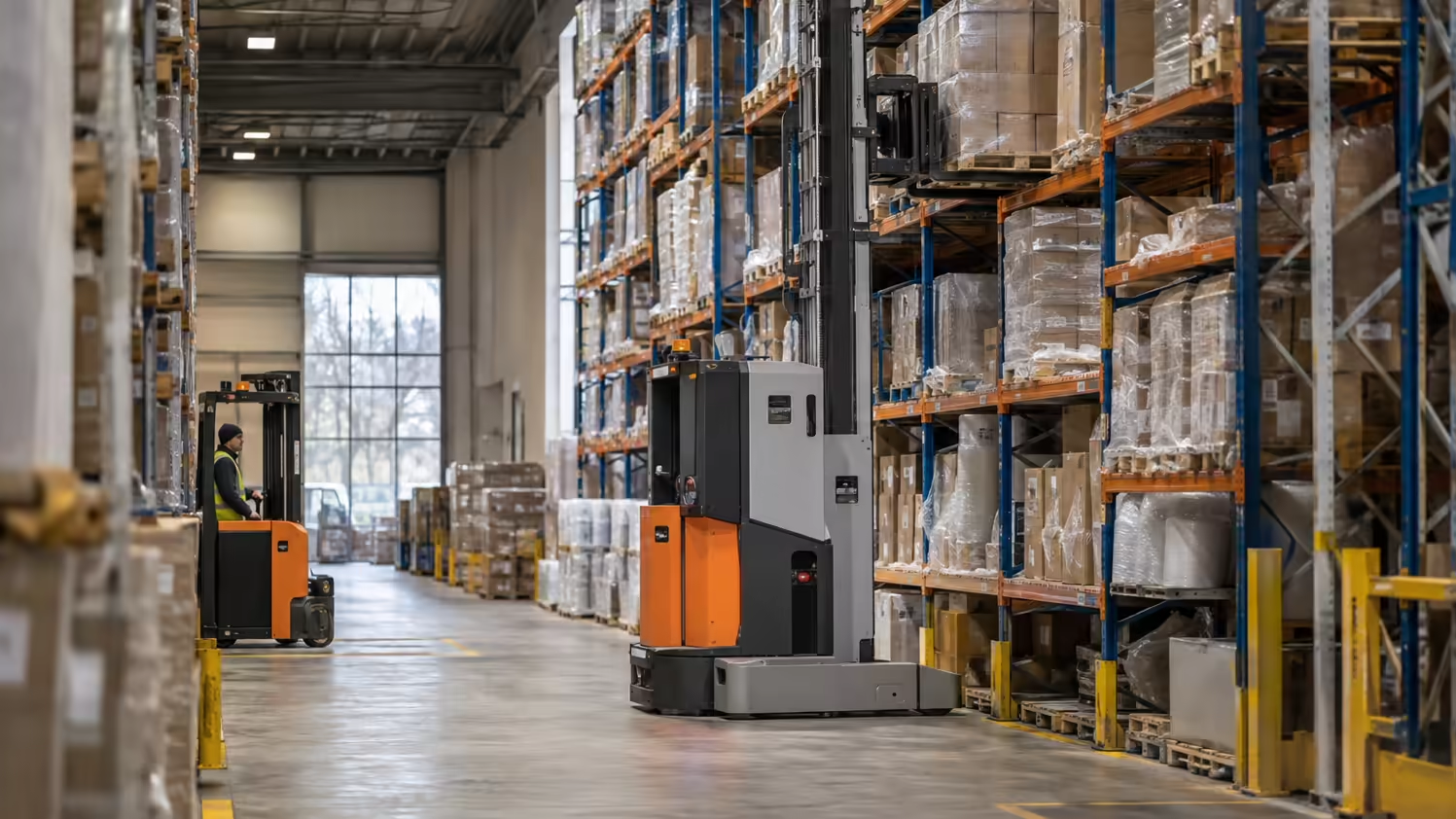
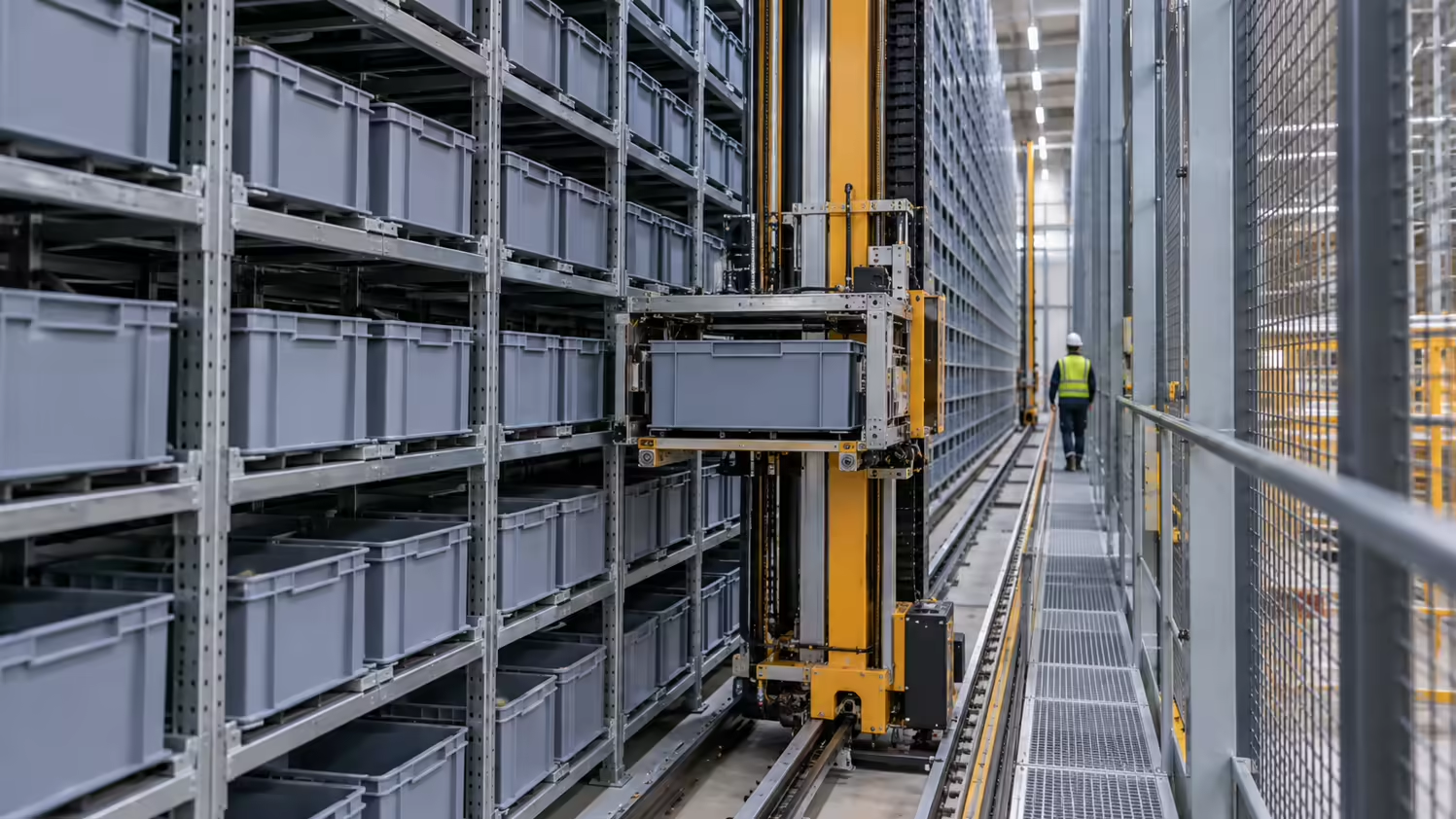
Automated warehouse aisle with high-bay storage equipment

This guide introduces 15 companies whose official websites describe warehouse automation services in Thailand. Each entry explains the work the company appears to focus on, the projects it may be useful to discuss and the questions a buyer should still ask. The numbers make the guide easier to follow; they are not a quality ranking or an endorsement.

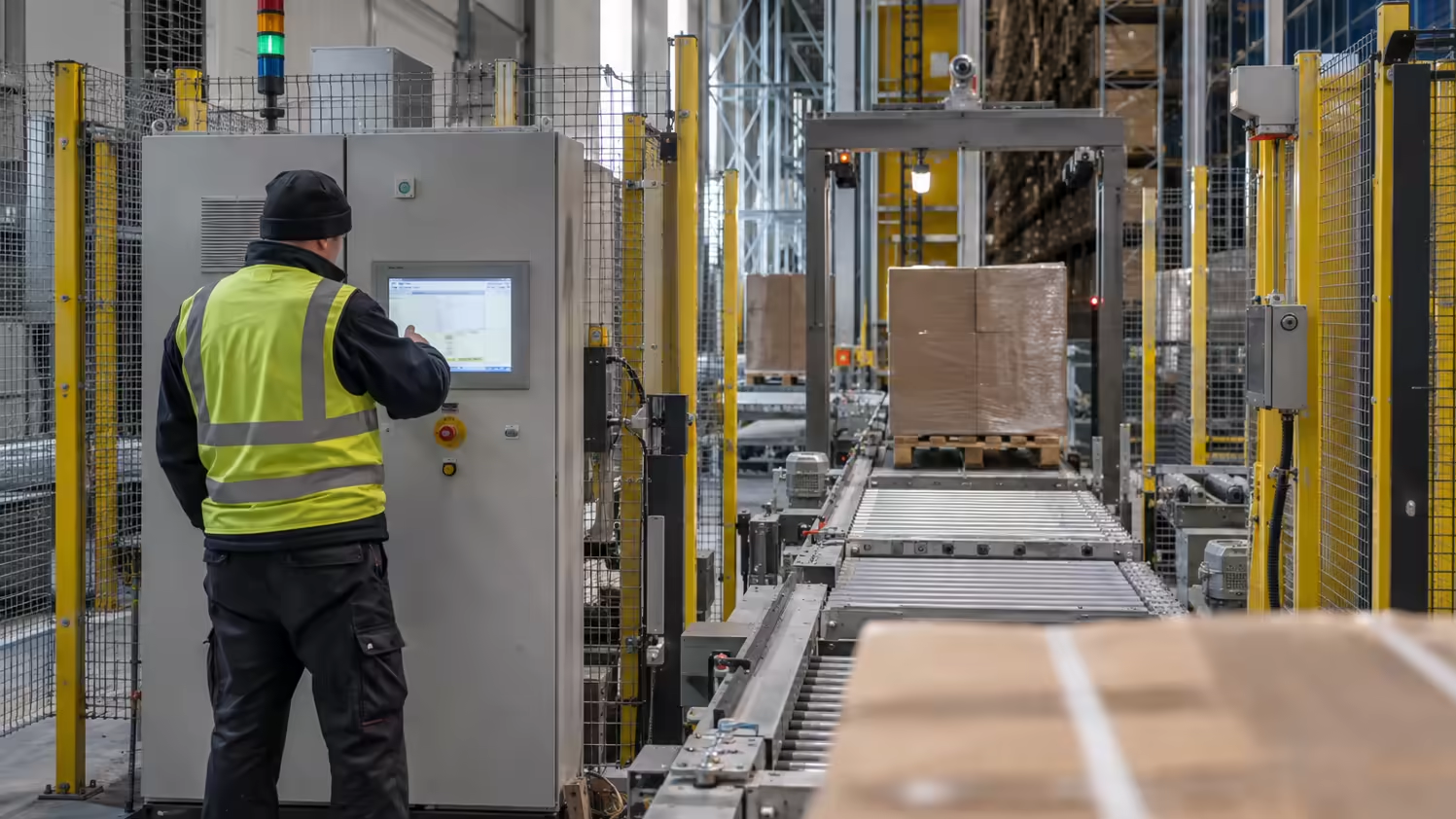
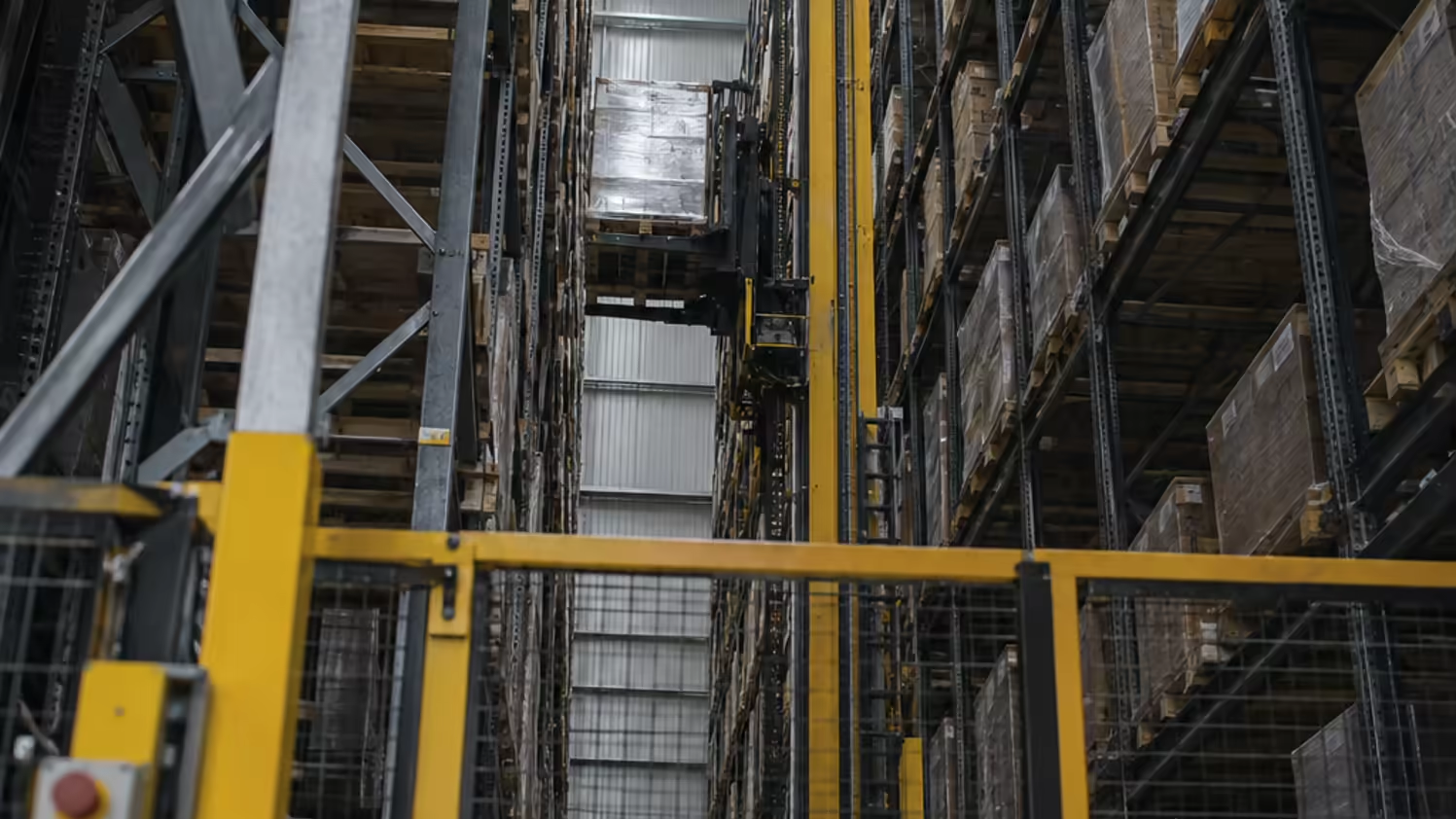
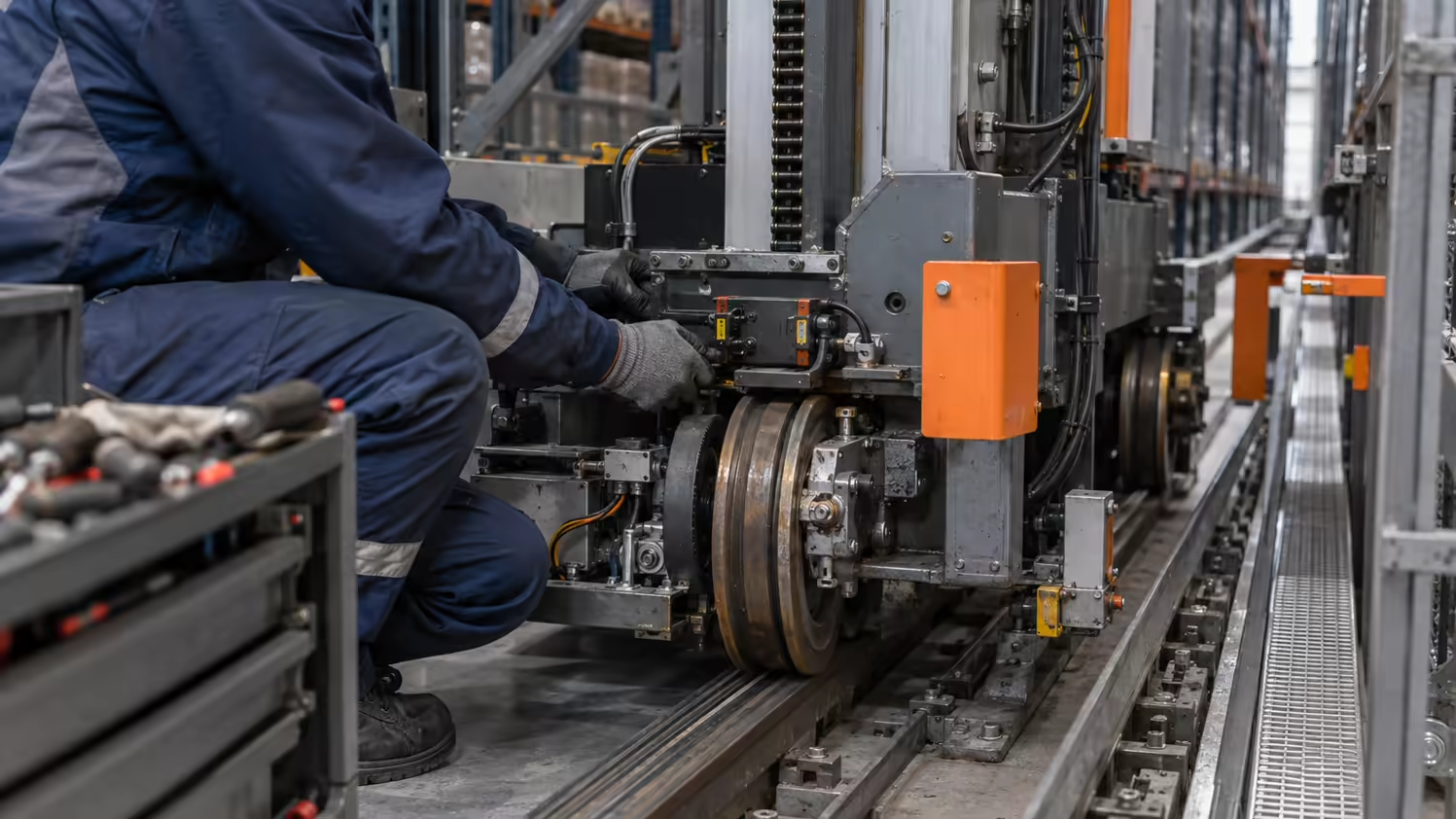
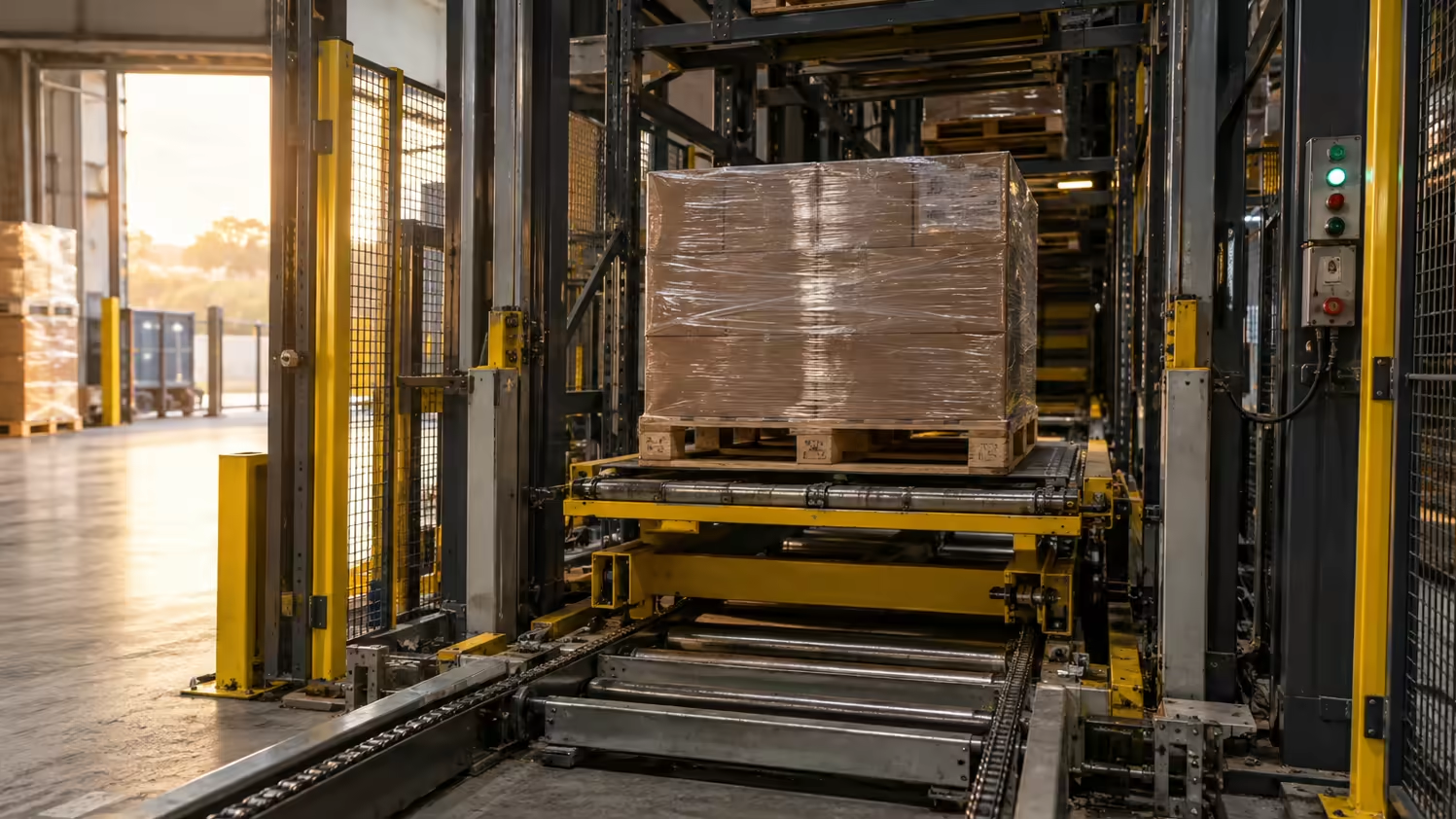
Automated pallet storage system inside a warehouse

1. S.A. Logistics Solution

What Stands Out: Connecting racking, material handling, automation and warehouse software into one operating system

S.A. Logistics Solution can be a useful starting point for buyers who do not want to choose equipment too early. Its service range covers racking and material handling as well as AS/RS equipment and software used to control warehouse activity. That allows the first conversation to centre on the actual constraint—limited space, slow picking or excessive forklift travel—before deciding how much automation the operation needs.

Who It May Suit: It may suit projects that need one party to coordinate several layers of the solution. Provide item data, required hourly throughput, the building layout and existing systems, then ask who owns the software, interfaces, testing and after-sales response.

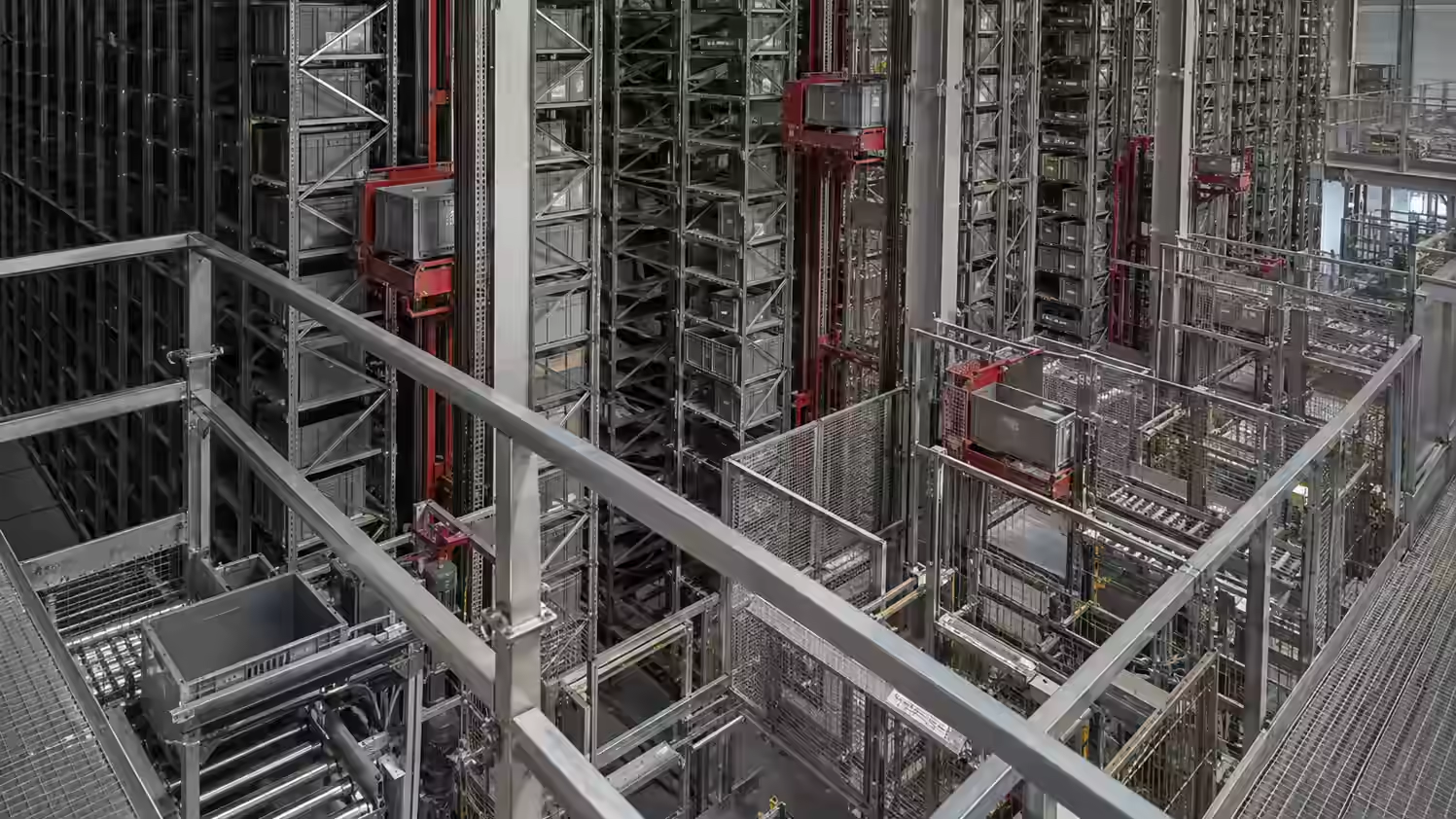
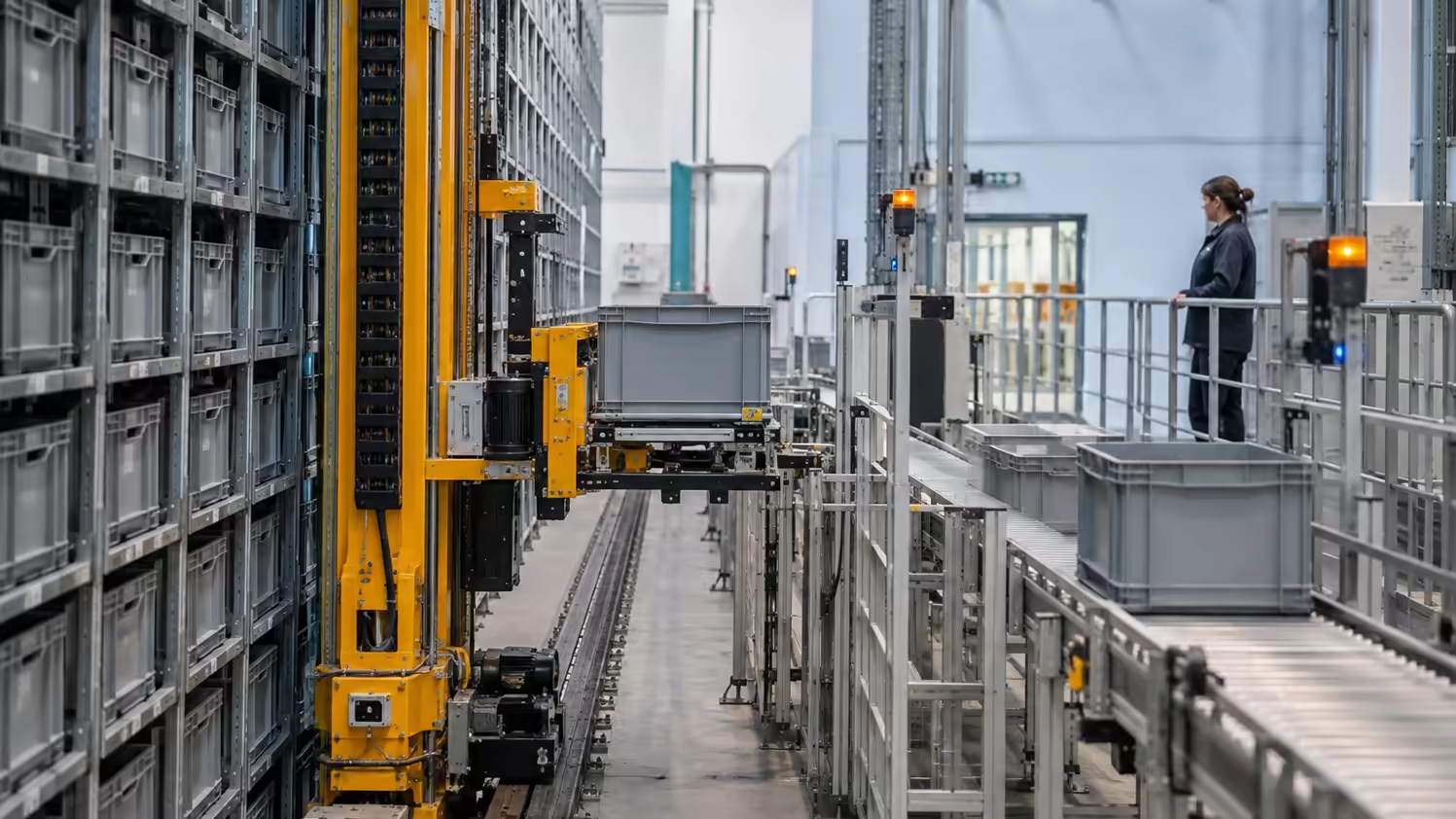
Automated storage crane operating between high racks

2. Daifuku (Thailand) Limited

What Stands Out: Automated storage and material handling for pallets, cases and high-throughput operations

Daifuku offers several warehouse automation families, from pallet and mini-load storage machines to conveyors and control systems. Its range makes it possible to discuss the full movement of goods from receiving through storage and picking to dispatch. For a buyer, the important comparison is therefore not only storage locations but also the flow rate and bottlenecks across the operation.

Who It May Suit: It may be relevant for distribution centres or factories with high volumes and continuous material flow. Ask for guaranteed throughput, fallback operation during a major equipment fault, locally available spares and the exact WMS or ERP integration scope.

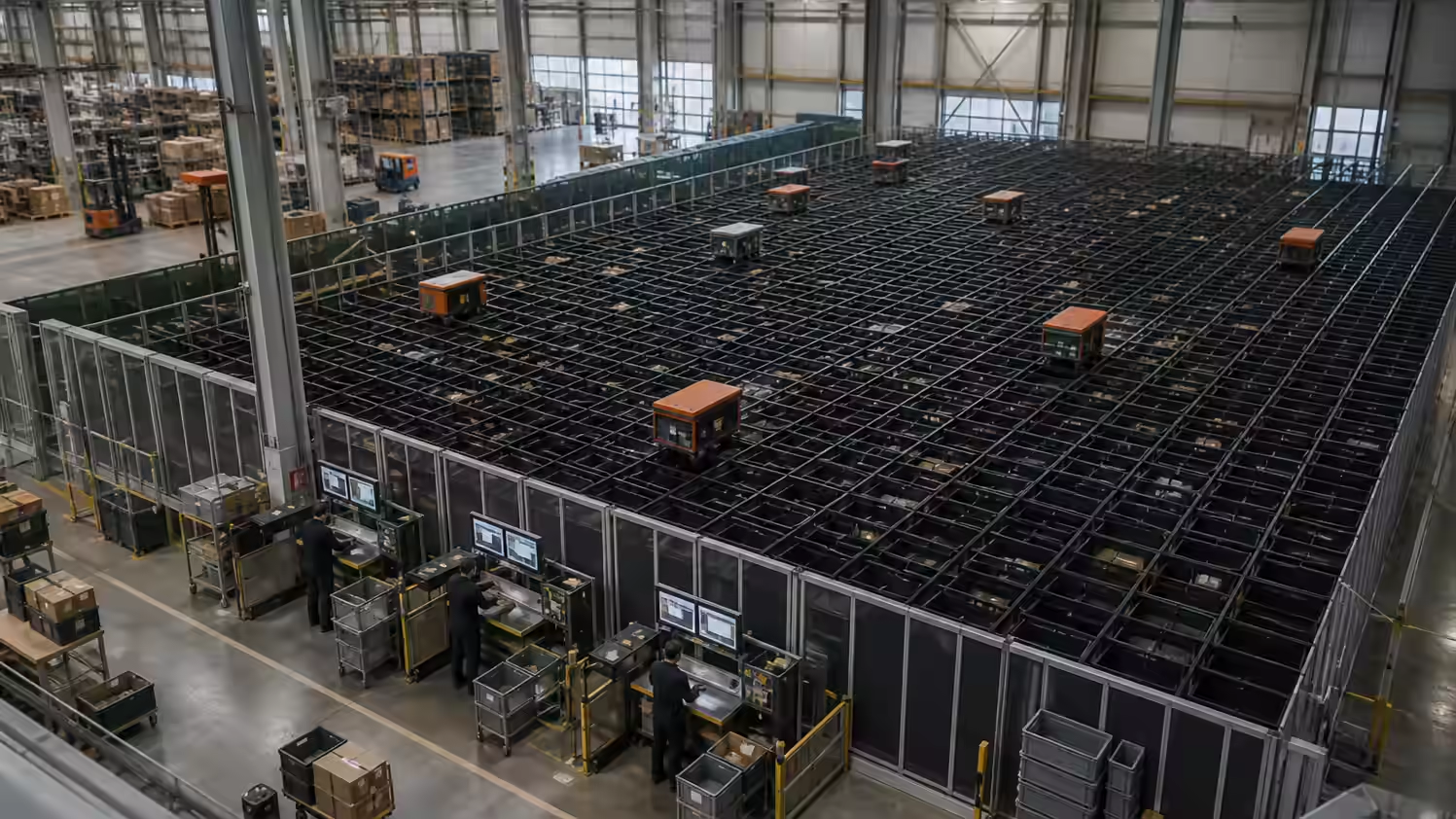
Conveyor system and storage racks in a distribution centre

3. SSI SCHAEFER

What Stands Out: Combining racking, conveyors, AS/RS, robotics and warehouse software

SSI SCHAEFER presents warehouse automation as a combination of storage equipment, machines and software rather than a single product. Its portfolio spans pallets, cartons, sorting, picking and large retail or distribution projects. This supports a design conversation that begins with layout and material flow, then assigns different technologies to distinct operational tasks.

Who It May Suit: It may suit a facility with several storage zones or picking methods. Ask how normal and peak data are modelled, how easily the layout can change later and which team remains responsible for the software from implementation through live support.

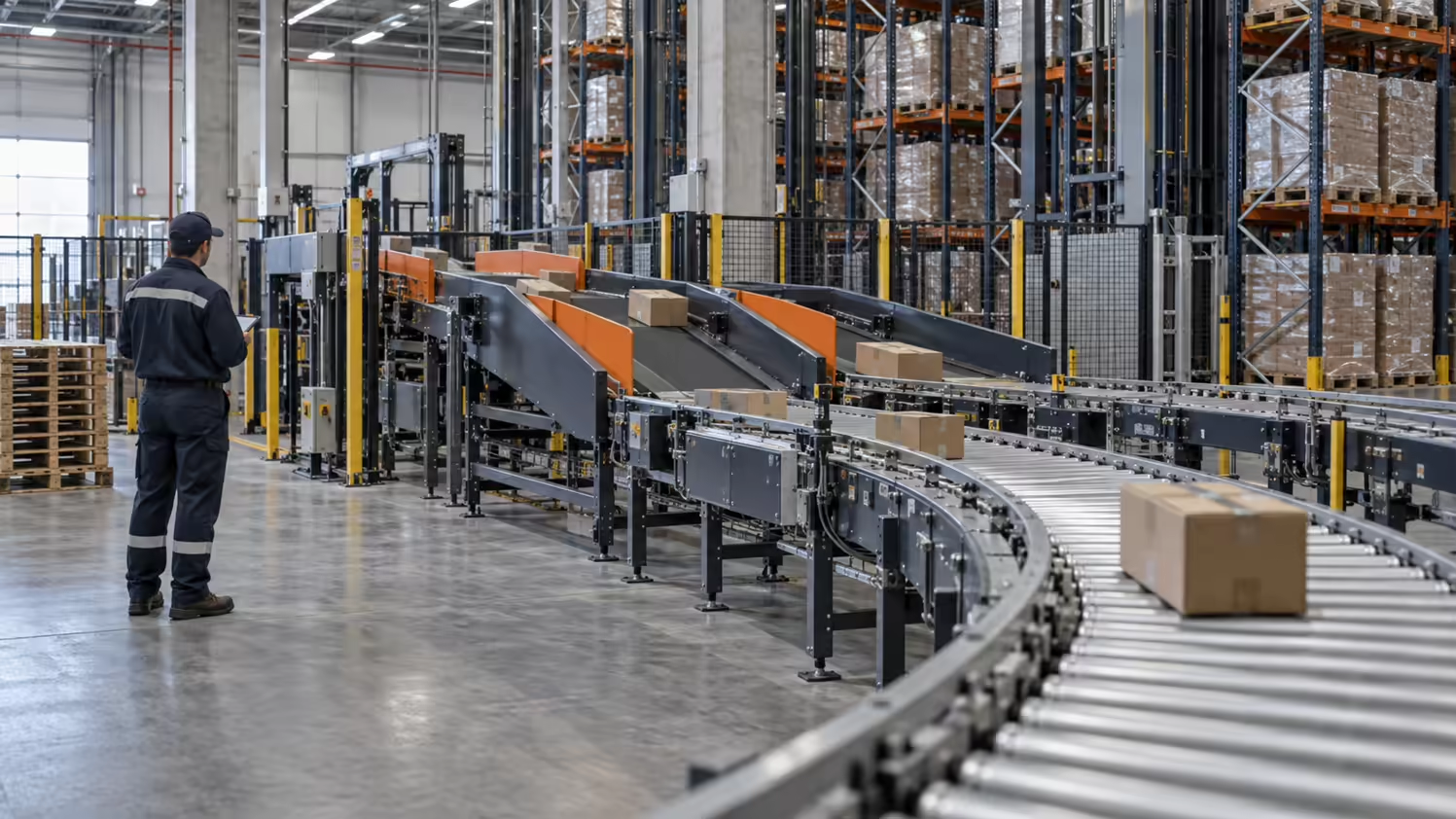
Automated carton sorting system in a warehouse

4. Dematic

What Stands Out: Automation for storage, picking, sorting, conveying and distribution-centre control

Dematic covers AS/RS equipment, conveyors, robotics and software that coordinates material flow. Its range supports a process-led discussion: how one carton travels from receiving to storage, picking and packing. This matters because a fast individual machine does not automatically make the whole operation faster if another stage becomes the bottleneck.

Who It May Suit: It may suit distribution centres with high order volumes or several fulfilment channels. Ask for tested end-to-end throughput, the ramp-up support included after launch and the operating plan when a conveyor, robot or software layer is unavailable.

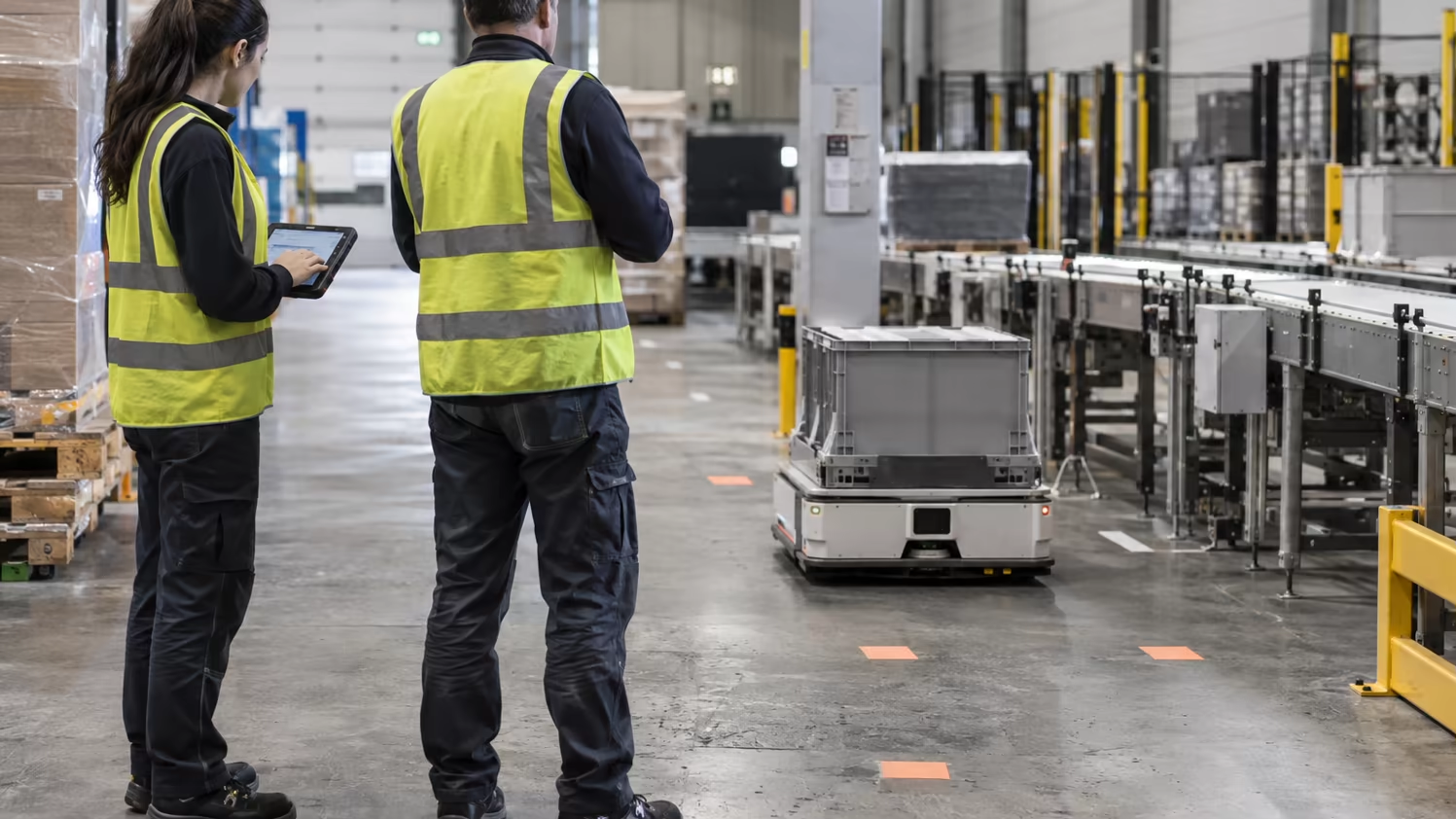
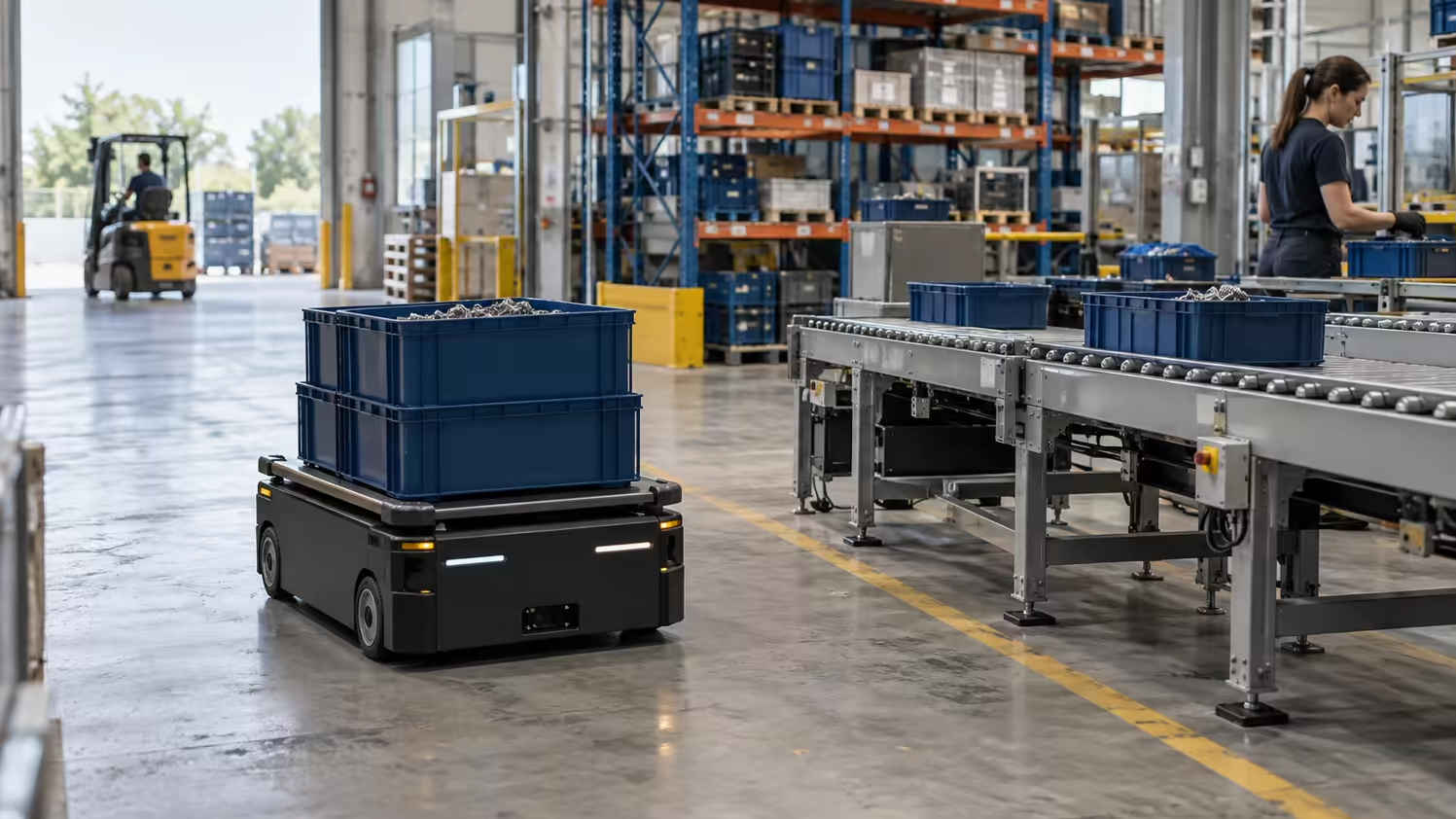
Autonomous pallet vehicle travelling through a warehouse aisle

5. Jungheinrich Thailand

What Stands Out: Linking lift trucks, automated transport, racking and warehouse software

Jungheinrich is widely associated with lift trucks, while its automation offer extends to automated vehicles, storage equipment and software. This can be useful in an existing warehouse where some work should remain manual and repetitive transport may be automated in phases, without rebuilding the entire operation at once.

Who It May Suit: It may suit a factory or warehouse that already uses lift trucks and wants to reduce repetitive travel gradually. Ask how automated routes share space with people, which safety controls apply, how vehicles charge and how capacity expands as volume grows.

Goods-to-person picking station connected to automated storage

6. Swisslog Thailand

What Stands Out: Automated storage, picking and transport supported by warehouse control software

Swisslog offers systems for pallets, cartons and smaller items, together with robotics and software that sequences warehouse work. A notable design approach is goods-to-person picking, where inventory travels to an operator instead of the operator walking to every location. Its value should be assessed against order lines and peak-hour demand.

Who It May Suit: It may suit operations seeking faster picking and better use of building height. Ask how the system handles varied item shapes, whether packaging must change and what process is used for products that automated equipment cannot accept.

Vertical storage machine for small parts and inventory

7. Kardex Thailand

What Stands Out: Vertical and automated storage for parts, totes and space-constrained inventory

Kardex supplies vertical lift modules, carousel systems and larger automated storage solutions. A project does not necessarily need to automate an entire warehouse. Where the main problem is dense parts storage or a restricted picking area, a focused system can bring inventory to a comfortable working height and improve location control.

Who It May Suit: It may suit spare-parts stores, factories or businesses with many small items. Ask about supported height and load, retrieval time, the manual process during equipment downtime and how storage or software connections can expand later.

Lift truck and pallet storage area inside a warehouse

8. Toyota Material Handling Warehouse Solutions (Thailand)

What Stands Out: Warehouse planning through lift trucks, racking, material handling and automation

Toyota Material Handling Warehouse Solutions connects experience in lift trucks and pallet movement with warehouse layout and equipment planning. An owner can begin with safety and travel routes in an existing facility, then consider where racking, attachments or automation would add value. This can support phased improvement rather than one large transformation.

Who It May Suit: It may suit pallet-led warehouses that need to review vehicles, equipment and layout together. Ask which components are supplied directly, which come from partners, who integrates the full system and how service coverage differs across equipment types.

Conveyor system connecting production and warehouse areas

9. Auto Motion Works

What Stands Out: Integrating AS/RS, conveyors, automated transport and software for factories and warehouses

Auto Motion Works describes automation projects that connect several equipment types, including automated storage machines, conveyors and transport vehicles. For an existing factory, the valuable question is how the design adapts to current space and machinery while keeping disruption to production as limited as possible.

Who It May Suit: It may suit a project seeking a Thailand-based system integrator for site-specific constraints. Ask for comparable work at the required load and speed, which equipment is made or sourced by the company and who supports software changes after handover.

Automated pallet storage machine inside a factory

10. AEI Solution

What Stands Out: AS/RS and automated transport designed around warehouse or production processes

AEI Solution provides information on AS/RS and automation for storing and moving goods. The approach may be particularly relevant where raw material, work in progress and finished goods must connect with production. The benefit is not only storage density but also delivering the correct load to the right process at the required time.

Who It May Suit: It may suit projects where material flow connects directly to manufacturing. Ask how mixed load sizes and damaged loads are handled, where manual exceptions enter the process and how production or ERP instructions reach the equipment.

Pallet transfer station at an AS/RS aisle

11. A.I. Technology Co., Ltd.

What Stands Out: Pallet and load AS/RS solutions with controls and system integration

A.I. Technology describes AS/RS equipment that automatically places loads into storage and retrieves them. This can support an operation seeking less forklift travel or better use of building height. Before comparing location count, buyers should examine cycles per hour and retrieval sequence because dense storage can still miss demand if transfer points are undersized.

Who It May Suit: It may suit factories or warehouses with reasonably standardised pallets. Ask about pallet and load tolerances, checks for leaning or damaged loads and the procedure for retrieving inventory while a machine is unavailable.

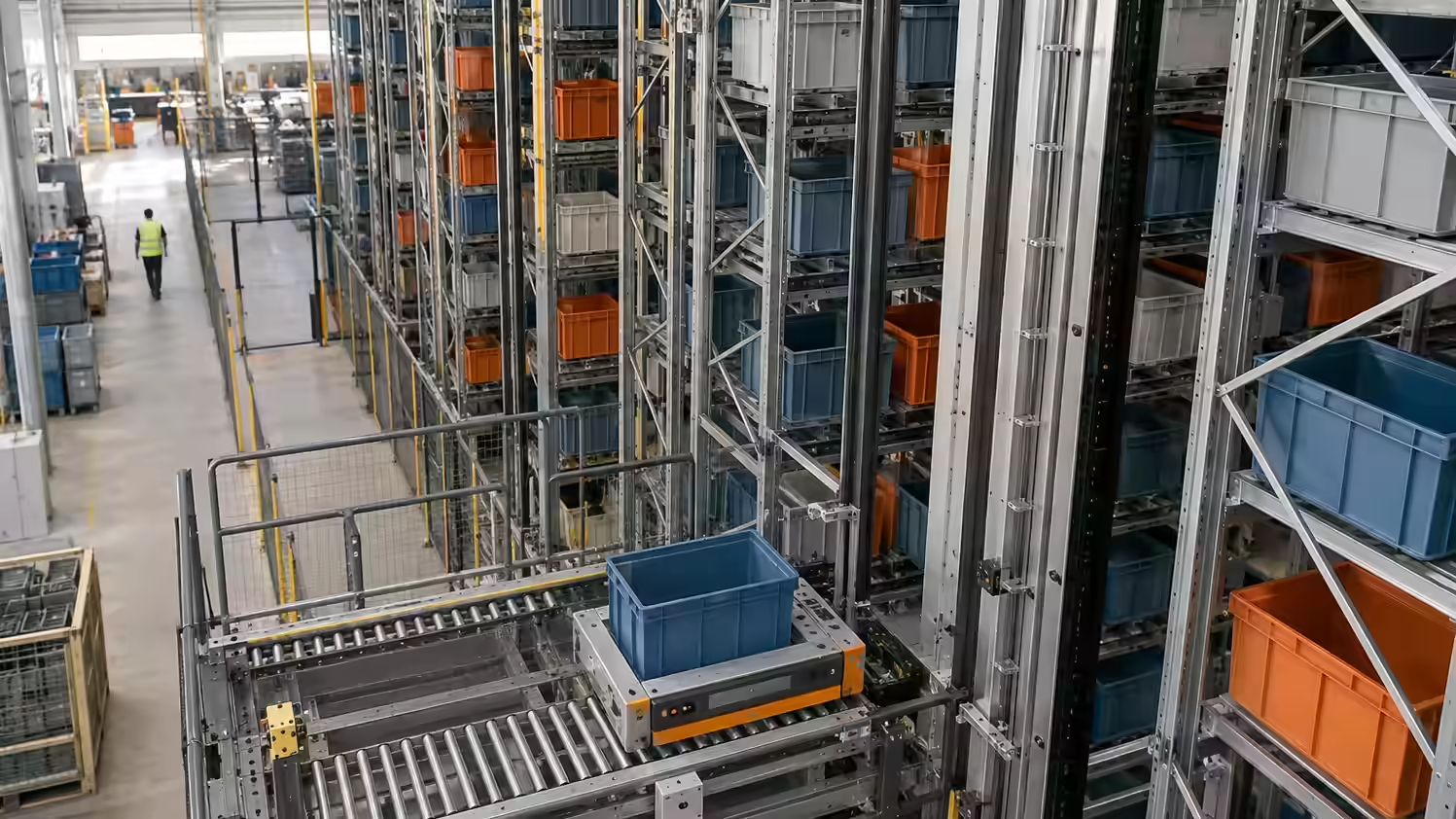
Automated tote storage and retrieval system

12. ACETEC Technology Co., Ltd.

What Stands Out: Automated storage and retrieval for pallets, totes or industrial workpieces

ACETEC presents AS/RS as a way to control storage locations and reduce manual movement. In practice, the design should also cover the steps before and after the storage machine: pallet inspection, identification, buffers and transfer to production or packing. These interfaces often determine whether the main equipment can run continuously.

Who It May Suit: It may suit an operator that wants to work with a local technical team. Ask whether racking and foundation design are included, which safety devices apply, where spares are sourced and how the system is tested with real products before acceptance.

Conveyor line connected to an automated storage system

13. Triple A Engineering and Supply Co., Ltd.

What Stands Out: AS/RS and conveying that connect automated storage with surrounding work areas

Triple A Engineering and Supply provides information on AS/RS for automated storage and retrieval. A useful discussion point is how the main equipment connects with conveyors, transfer stations and areas where people continue to work. This is especially important in an existing warehouse with columns, escape routes and limited shutdown windows.

Who It May Suit: It may suit projects that need a design fitted to an existing building. Ask how the site is surveyed, how installation is phased around operations, which control files are handed over and how equipment from several manufacturers will be supported.

Warehouse consultant reviewing layout and material flow

14. T.P.S. Logistics Materials & Consultant Co., Ltd.

What Stands Out: Consulting on warehouse layout, racking, material handling and internal logistics improvement

T.P.S. Logistics Materials & Consultant may be useful for an owner who wants to begin with space and material flow rather than treating machinery as the first answer. Shorter, clearer routes between receiving, storage, picking, packing and dispatch may improve performance before a full automation investment is justified.

Who It May Suit: It may suit a warehouse that is still deciding whether to change layout, add storage or automate. Ask what data and analysis the study delivers, which measures support its recommendation and whether the resulting design can be quoted by other installers.

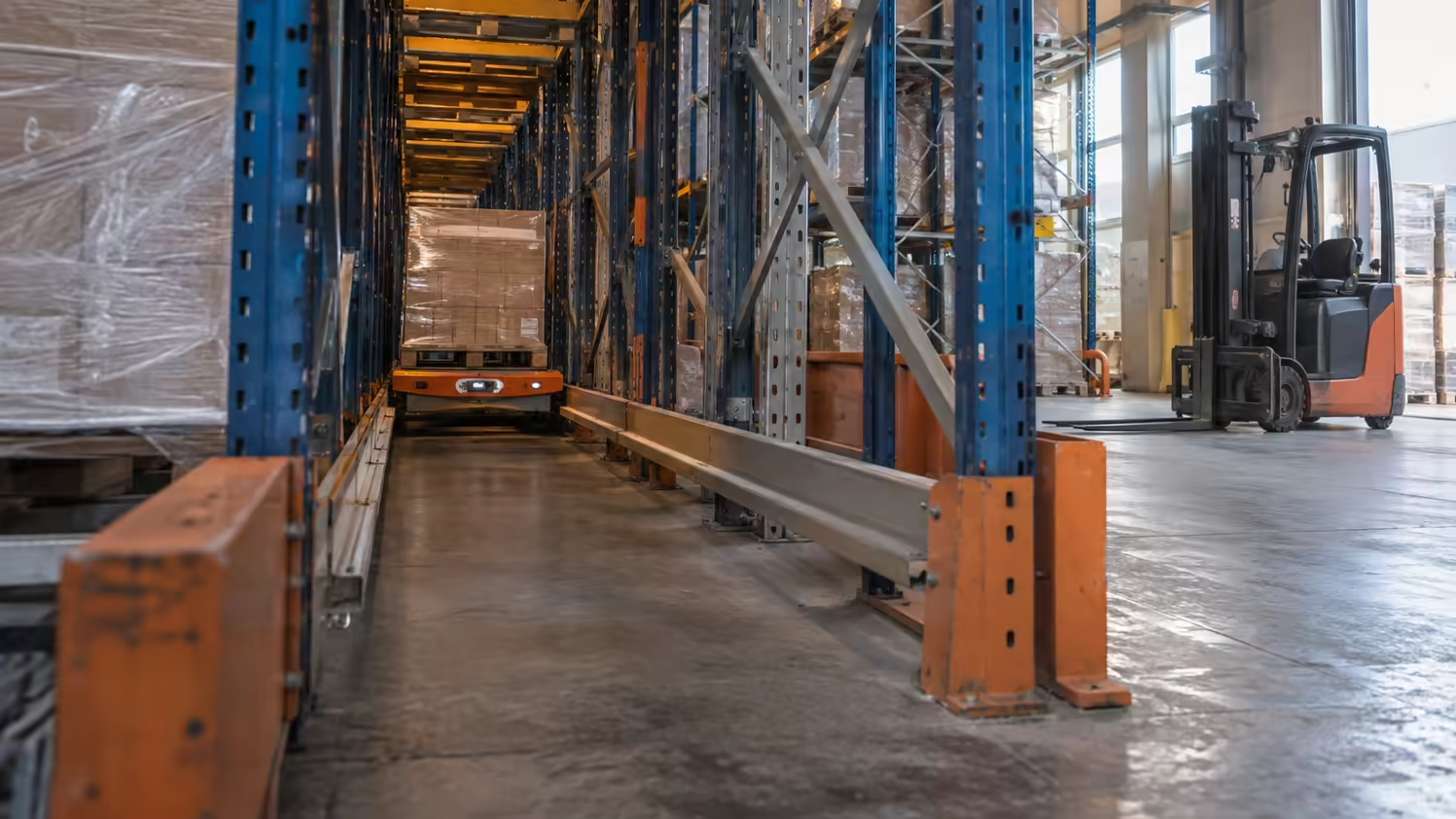
High-bay racking with an automated shuttle system

15. LPI Rack Range (Thailand) Corp., Ltd.

What Stands Out: Industrial racking and automated storage structures engineered to work with machinery

LPI Rack Range has a background in industrial racking and presents products for automated storage. In these systems, the rack is more than a place to hold goods: its strength and alignment affect whether machinery can travel and retrieve loads accurately. Racking, floor conditions, equipment and installation tolerances should therefore be considered together.

Who It May Suit: It may suit projects where storage density and rack accuracy are central. Ask which design standards and tolerances apply, how the floor and anchors are checked, how installation is accepted and who resolves an interface problem between racking and machinery.

Choosing a Warehouse Automation Company

What Is an Automated Warehouse?

An automated warehouse uses machinery, software and operational data to support receiving, storage, picking and dispatch. A project may begin with conveyors or autonomous transport and extend to AS/RS equipment that stores and retrieves loads without a forklift for every movement. The design should begin with the operation, not a preferred machine.

What Information Is Needed for a Quotation?

Prepare daily inbound and outbound volume, SKU count, pallet or carton dimensions and weights, order profiles, peak periods, building dimensions, existing systems, budget and target opening date. If the data is still changing, ask every bidder to state the assumptions used in its calculations.

Should Providers Be Compared by Price Alone?

No. One proposal may include machinery, software, installation and testing, while another excludes racking, electrical work, building changes, system integration or after-sales support. Compare the same scope, including demonstrated throughput, planned downtime and the cost of operating and maintaining the system.

How Do AS/RS, Shuttle, AGV, AMR and VLM Systems Differ?

Start with the stored items and picking process. AS/RS and shuttle systems often support dense storage, AGVs and AMRs move loads between areas, and vertical lift modules can organise smaller parts. The right choice depends on volume, space, speed, flexibility and future expansion rather than the technology name alone.

Will the Project Need WMS, WCS and ERP Integration?

It depends on the scope. An ERP usually holds business and order information, a WMS manages inventory locations and warehouse tasks, and a WCS coordinates equipment. When several systems connect, agree who owns each data flow, who resolves interface faults and how operations continue if one layer is unavailable.

Which After-Sales Questions Matter Most?

Ask about response times, locally stocked spare parts, preventive maintenance, annual costs, operator training, data backups and the temporary process used during equipment downtime. Request a programme that separates design, manufacturing, installation, testing and ramp-up, with measurable acceptance criteria.