What Is an Automated Warehouse?
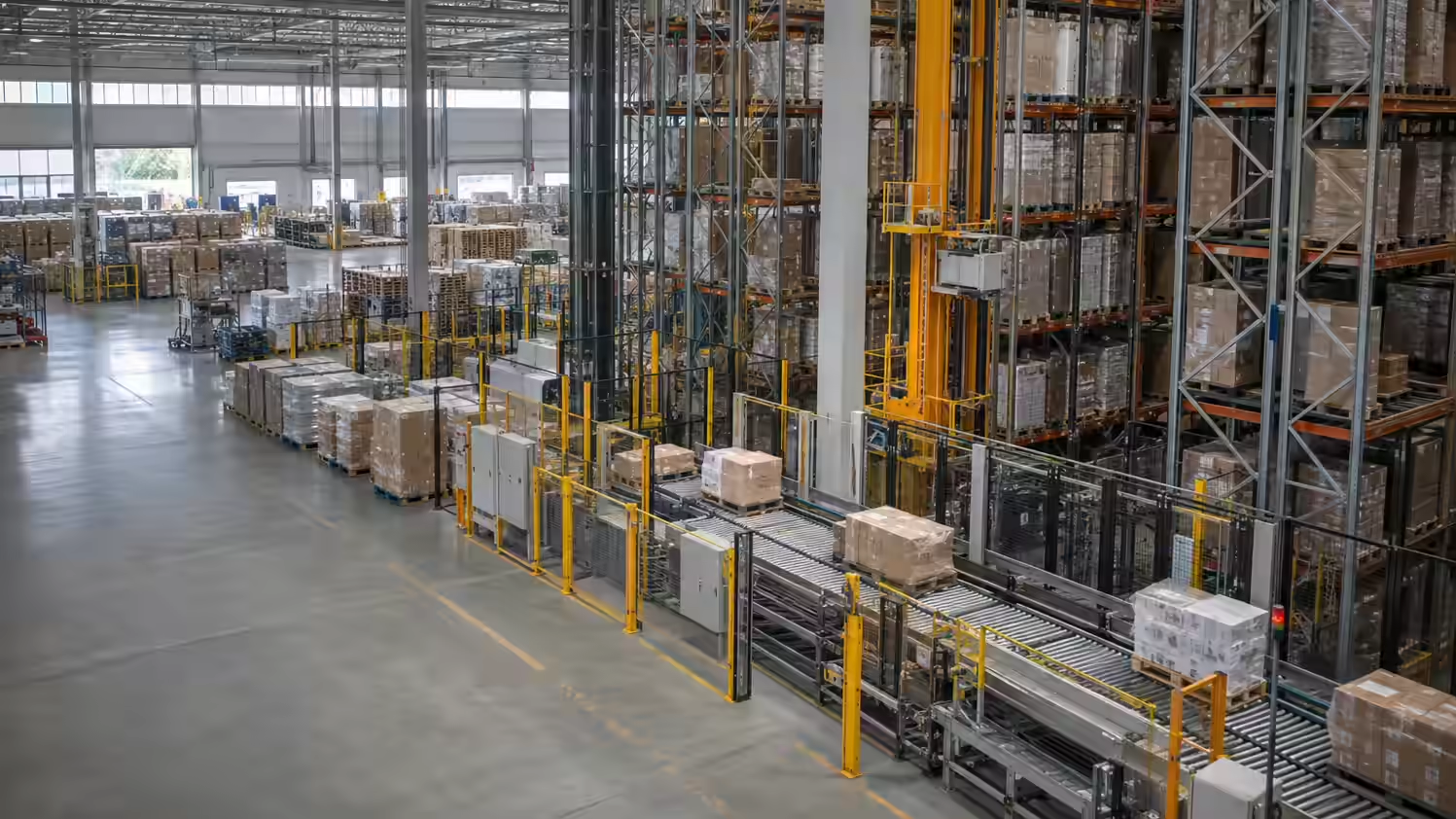
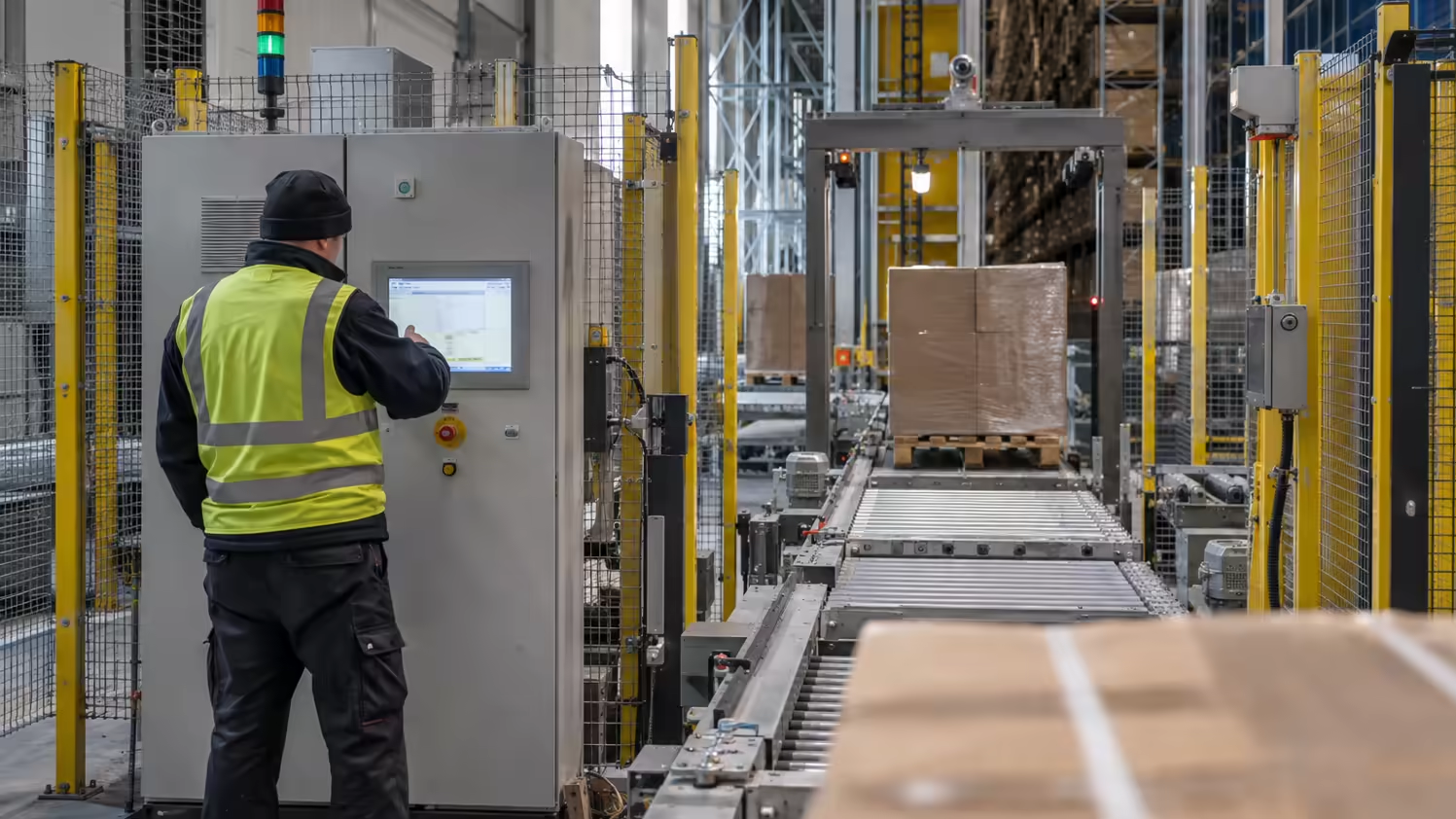
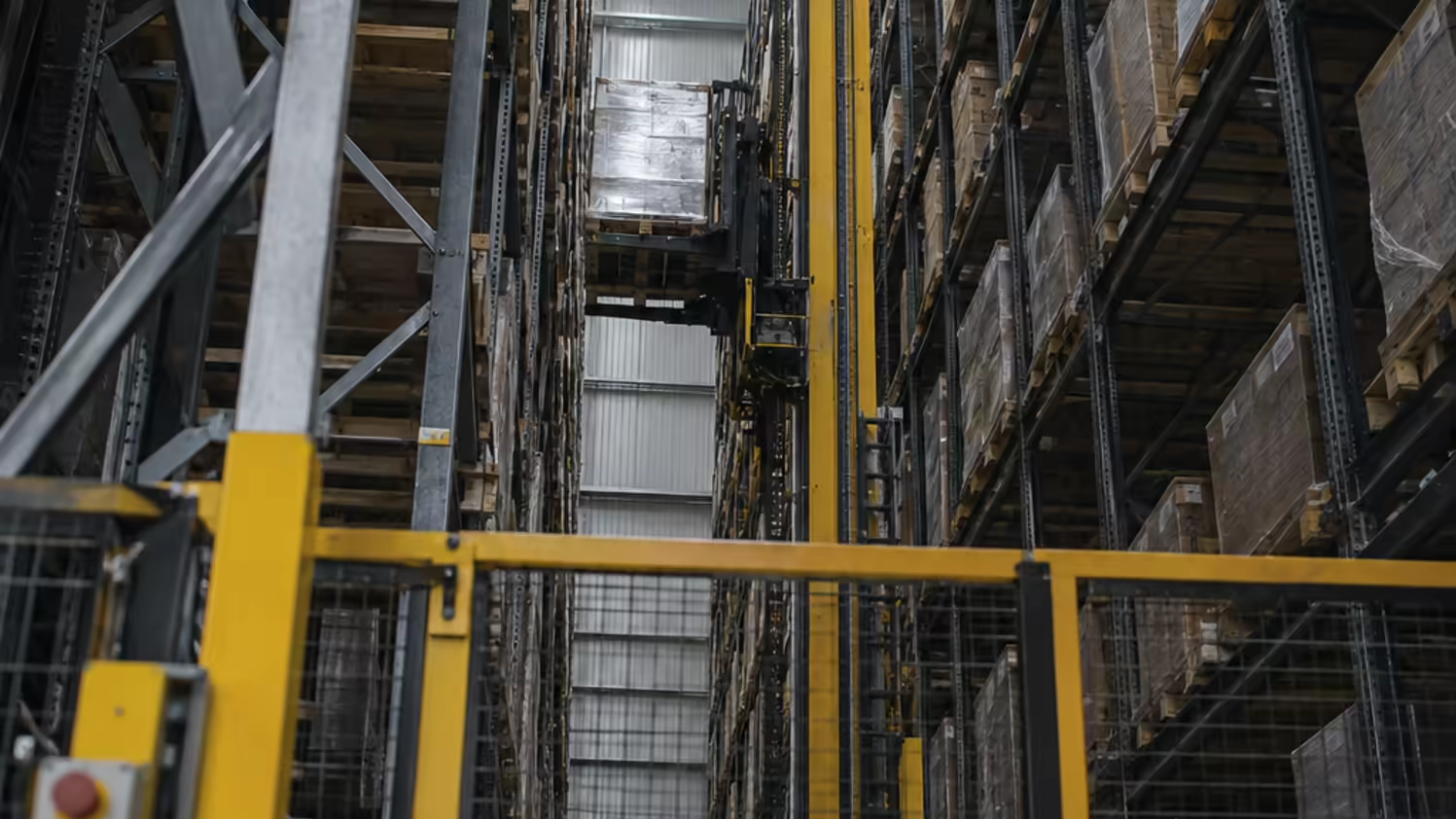
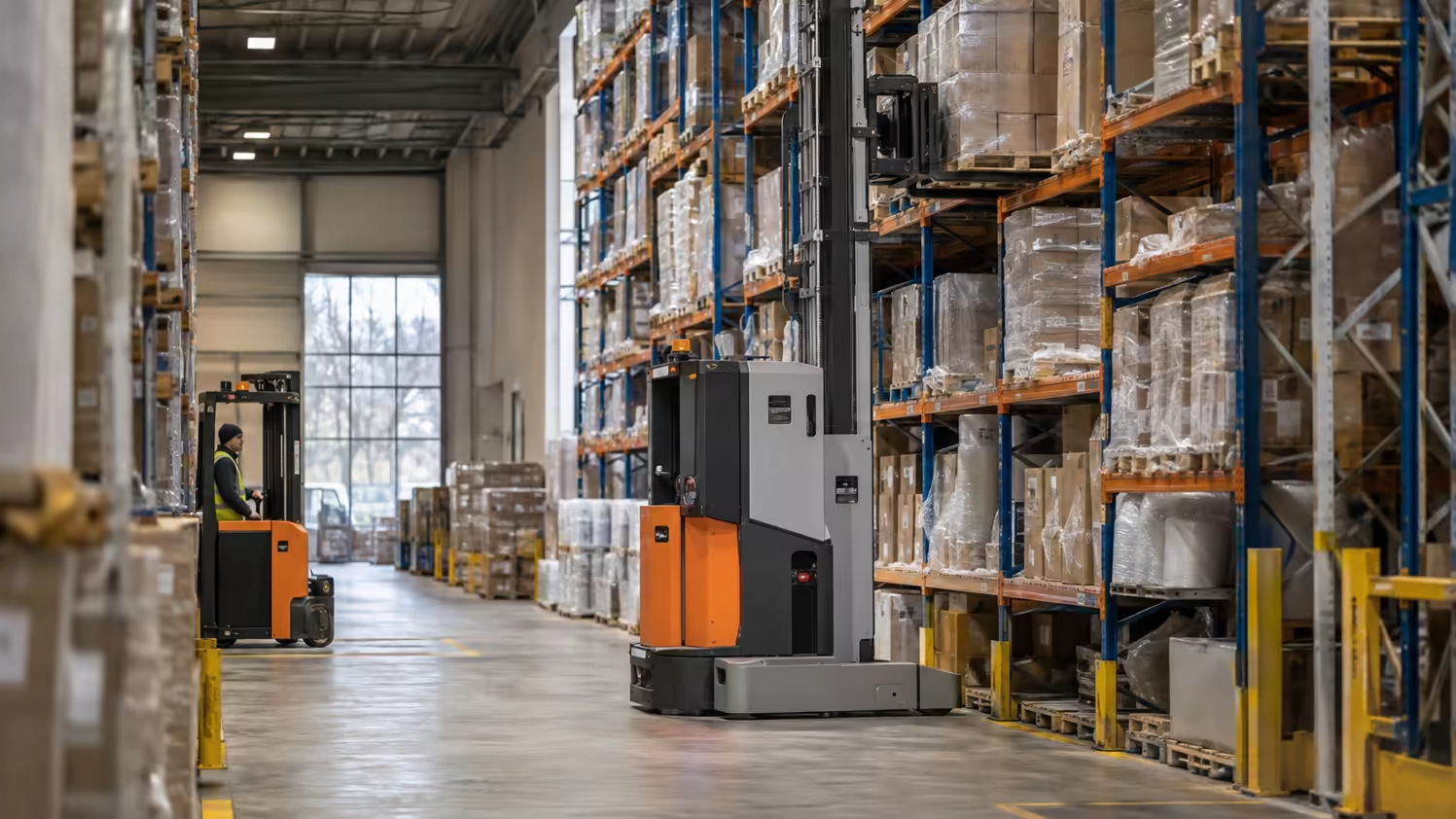
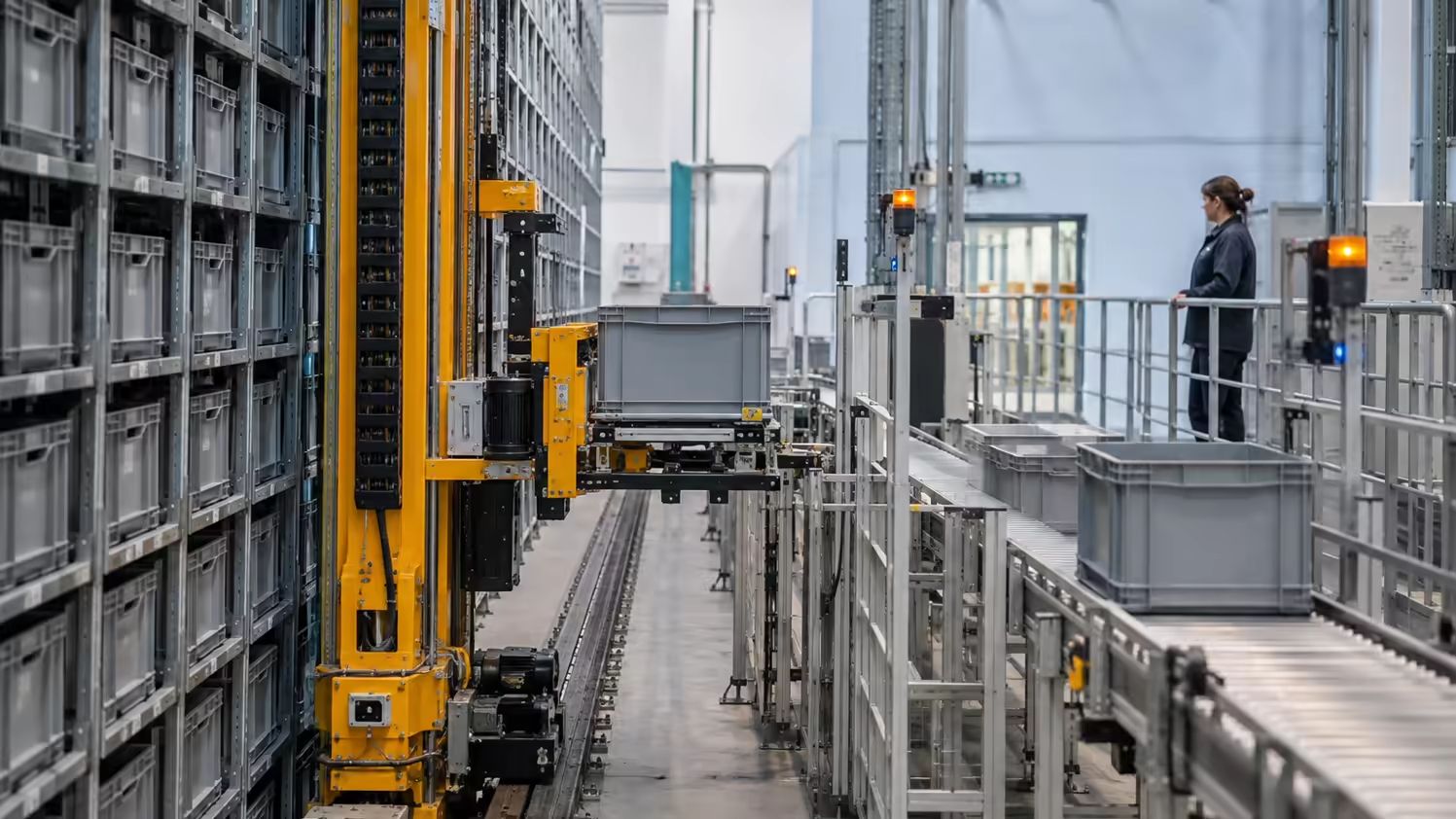
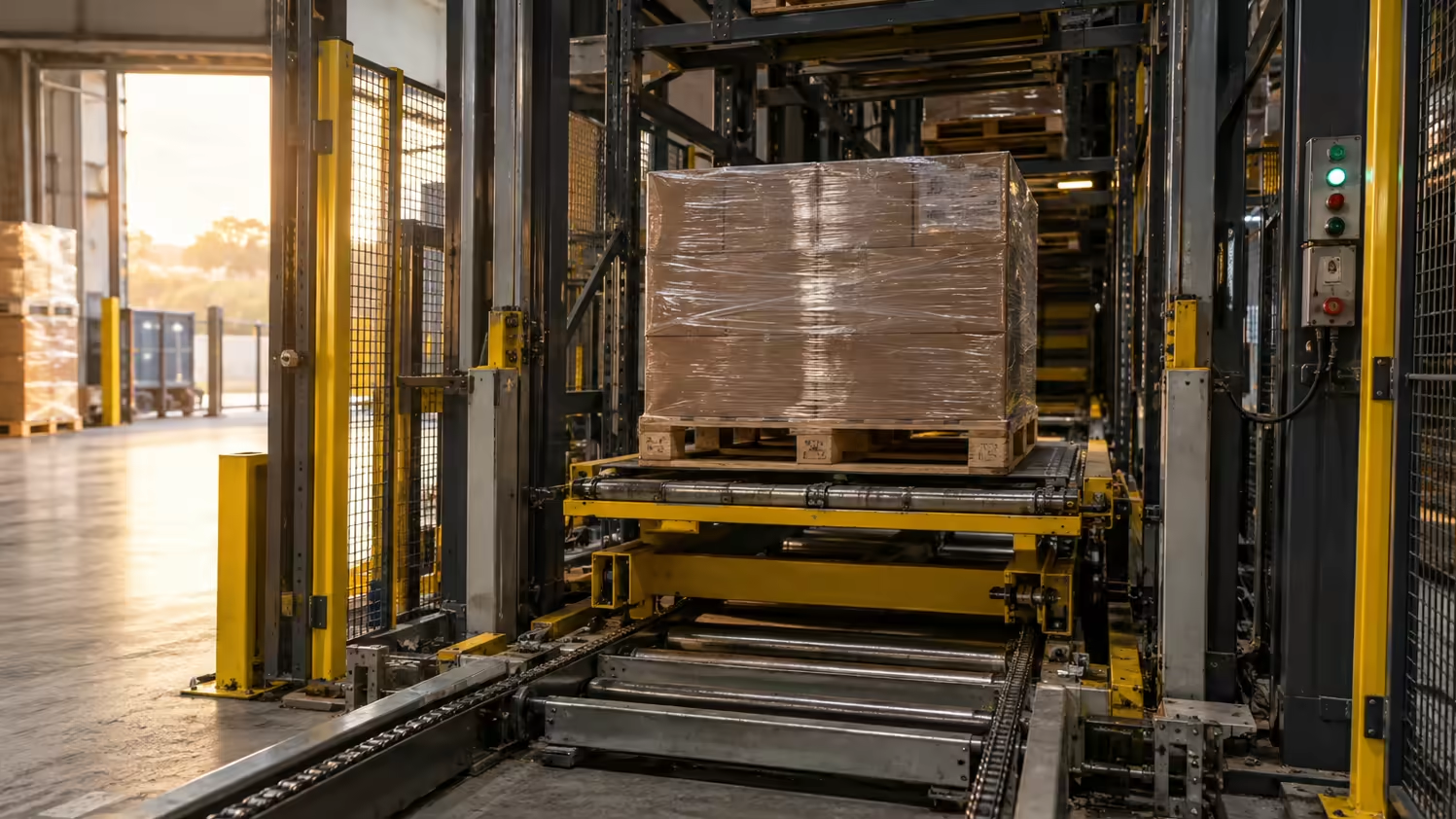
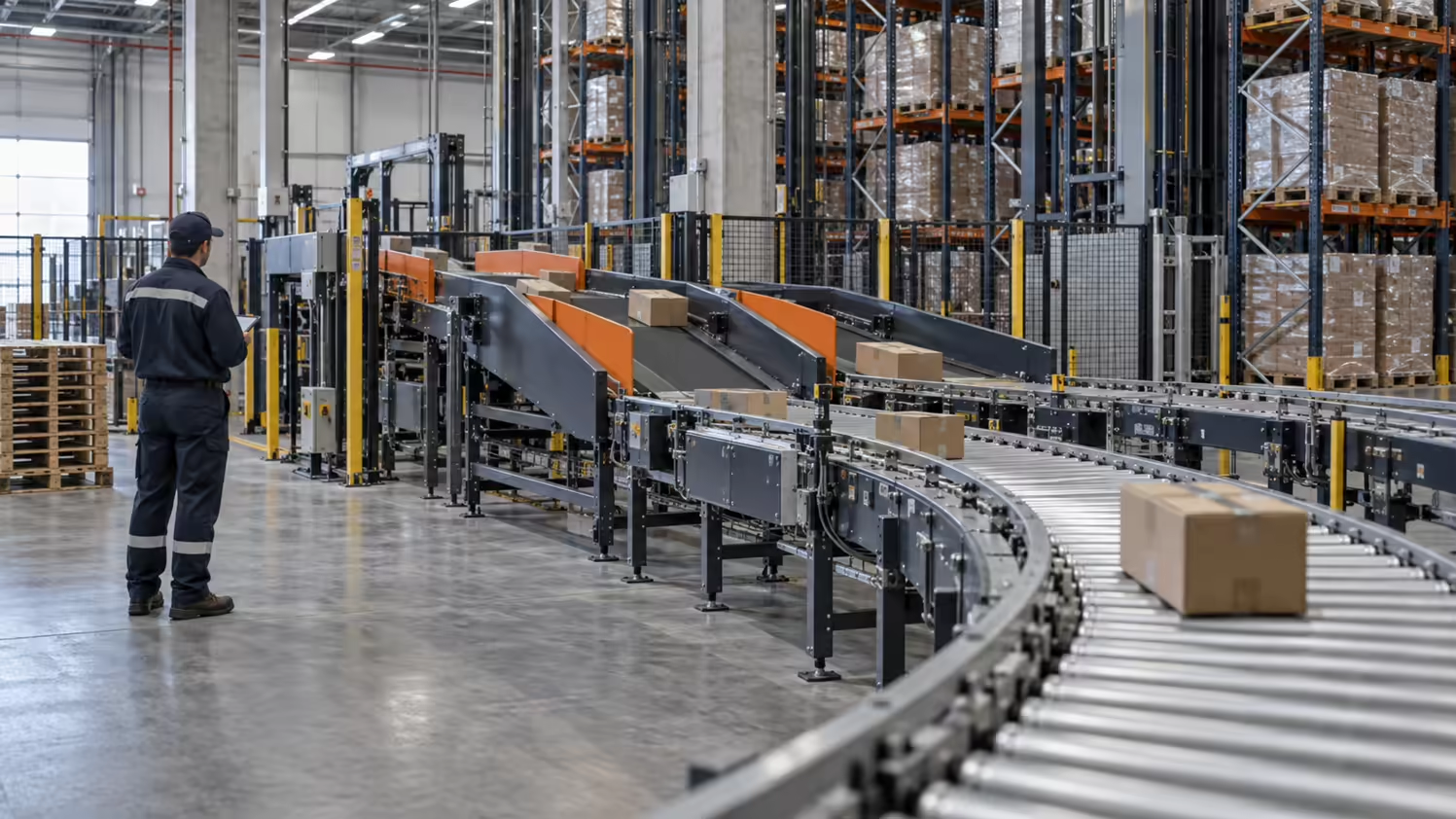
An automated warehouse uses machinery, software and operational data to support receiving, storage, picking and dispatch. A project may begin with conveyors or autonomous transport and extend to AS/RS equipment that stores and retrieves loads without a forklift for every movement. The design should begin with the operation, not a preferred machine.
What Information Is Needed for a Quotation?
Prepare daily inbound and outbound volume, SKU count, pallet or carton dimensions and weights, order profiles, peak periods, building dimensions, existing systems, budget and target opening date. If the data is still changing, ask every bidder to state the assumptions used in its calculations.
Should Providers Be Compared by Price Alone?
No. One proposal may include machinery, software, installation and testing, while another excludes racking, electrical work, building changes, system integration or after-sales support. Compare the same scope, including demonstrated throughput, planned downtime and the cost of operating and maintaining the system.
How Do AS/RS, Shuttle, AGV, AMR and VLM Systems Differ?
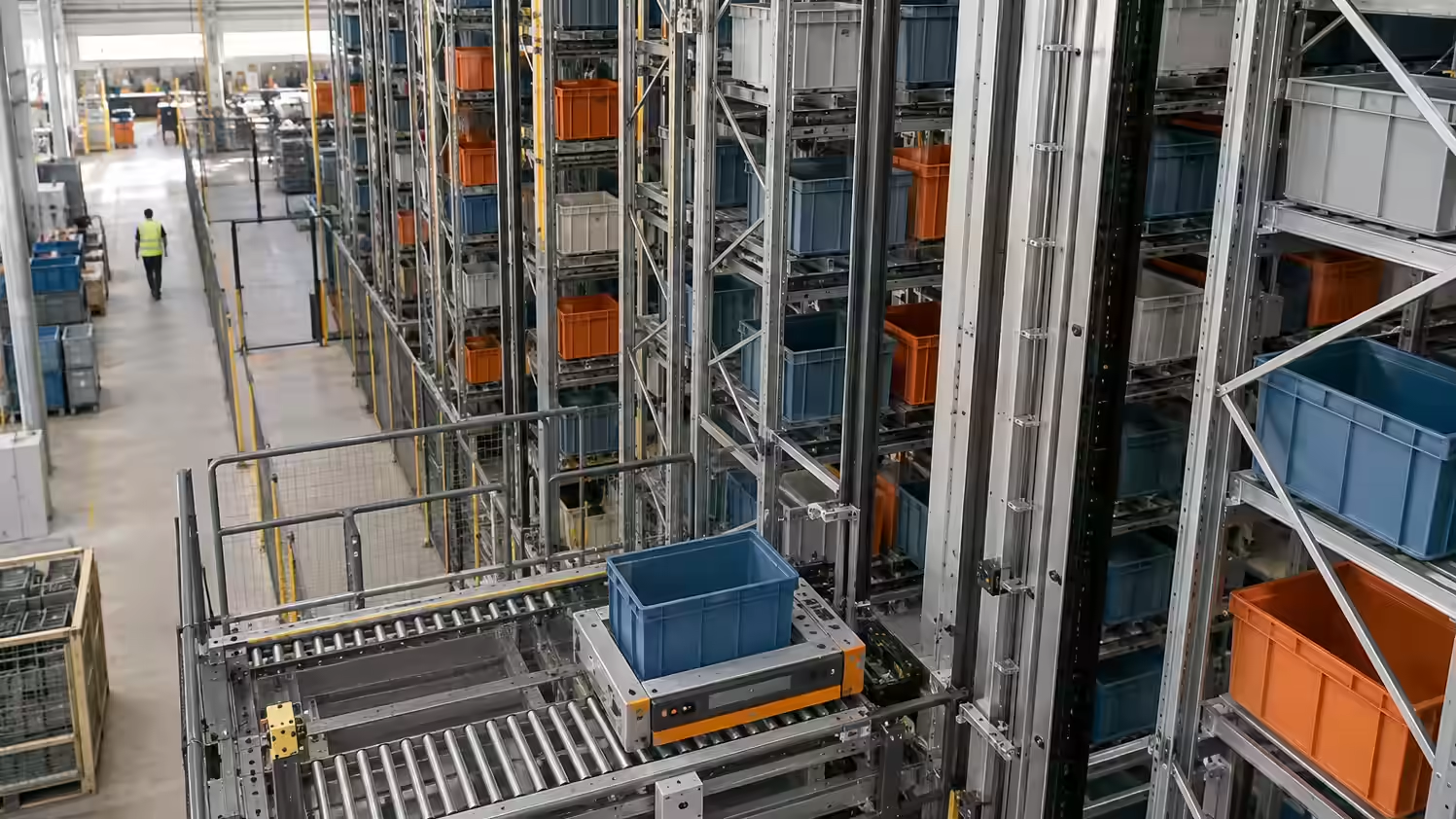
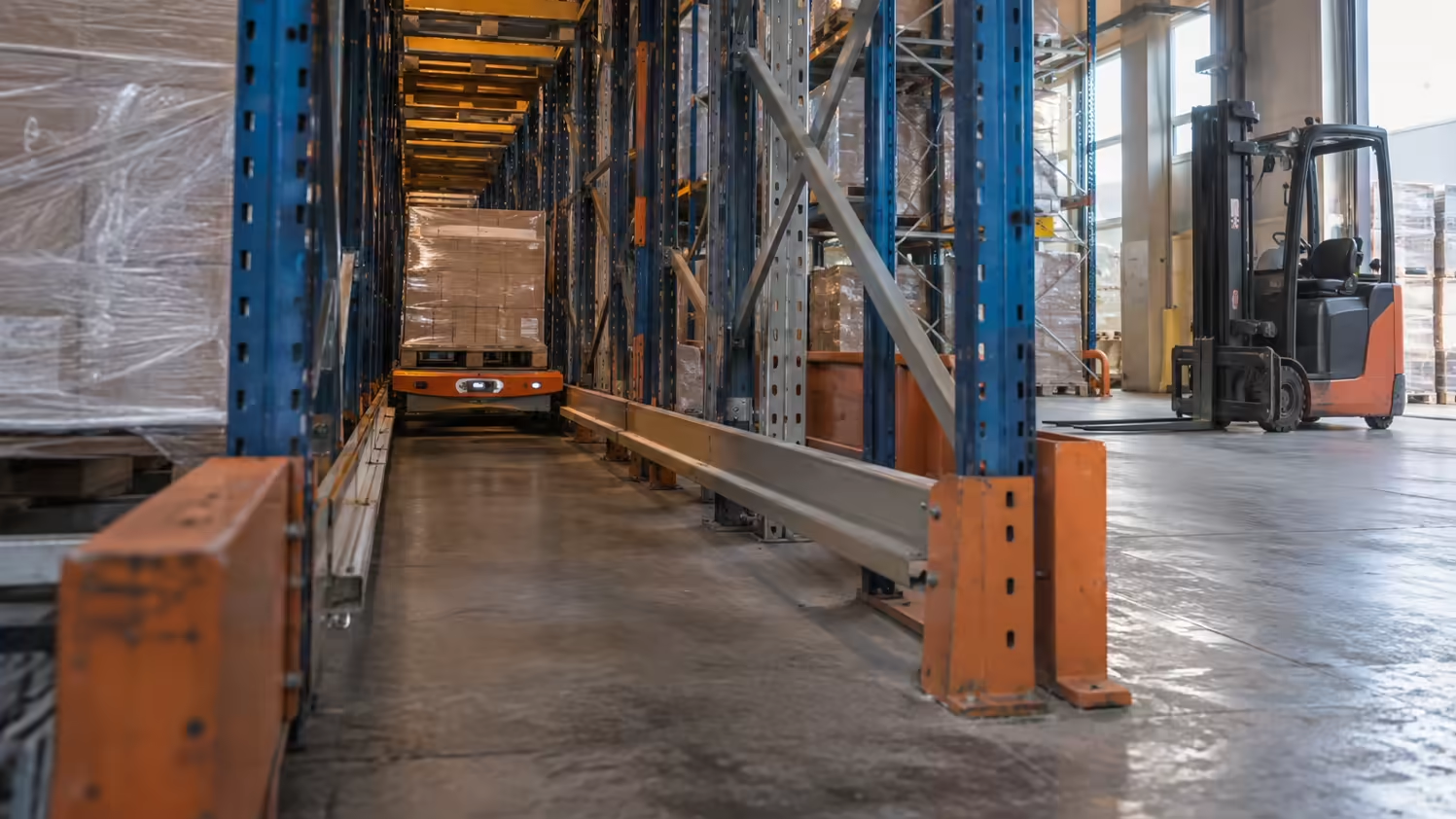
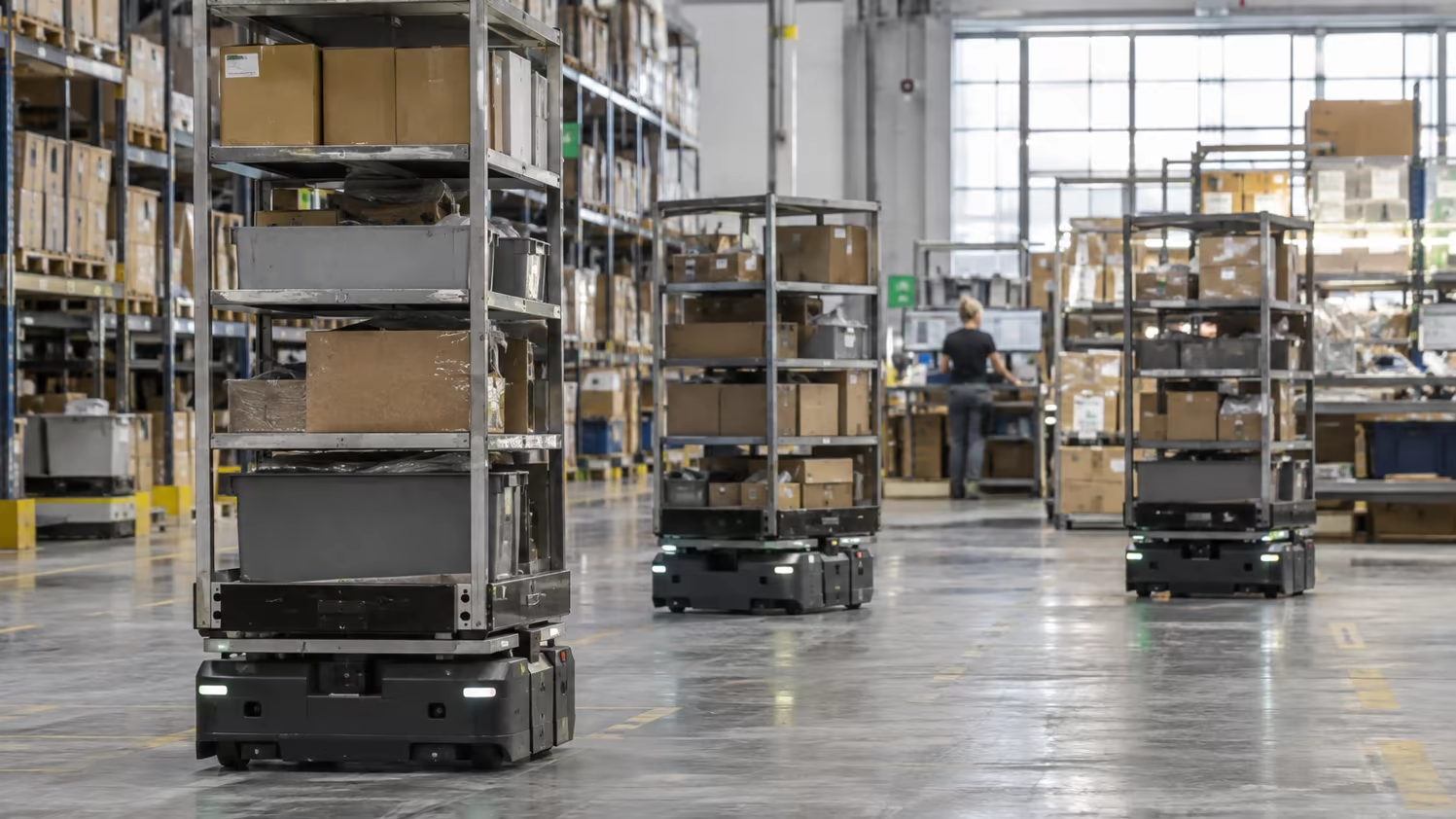
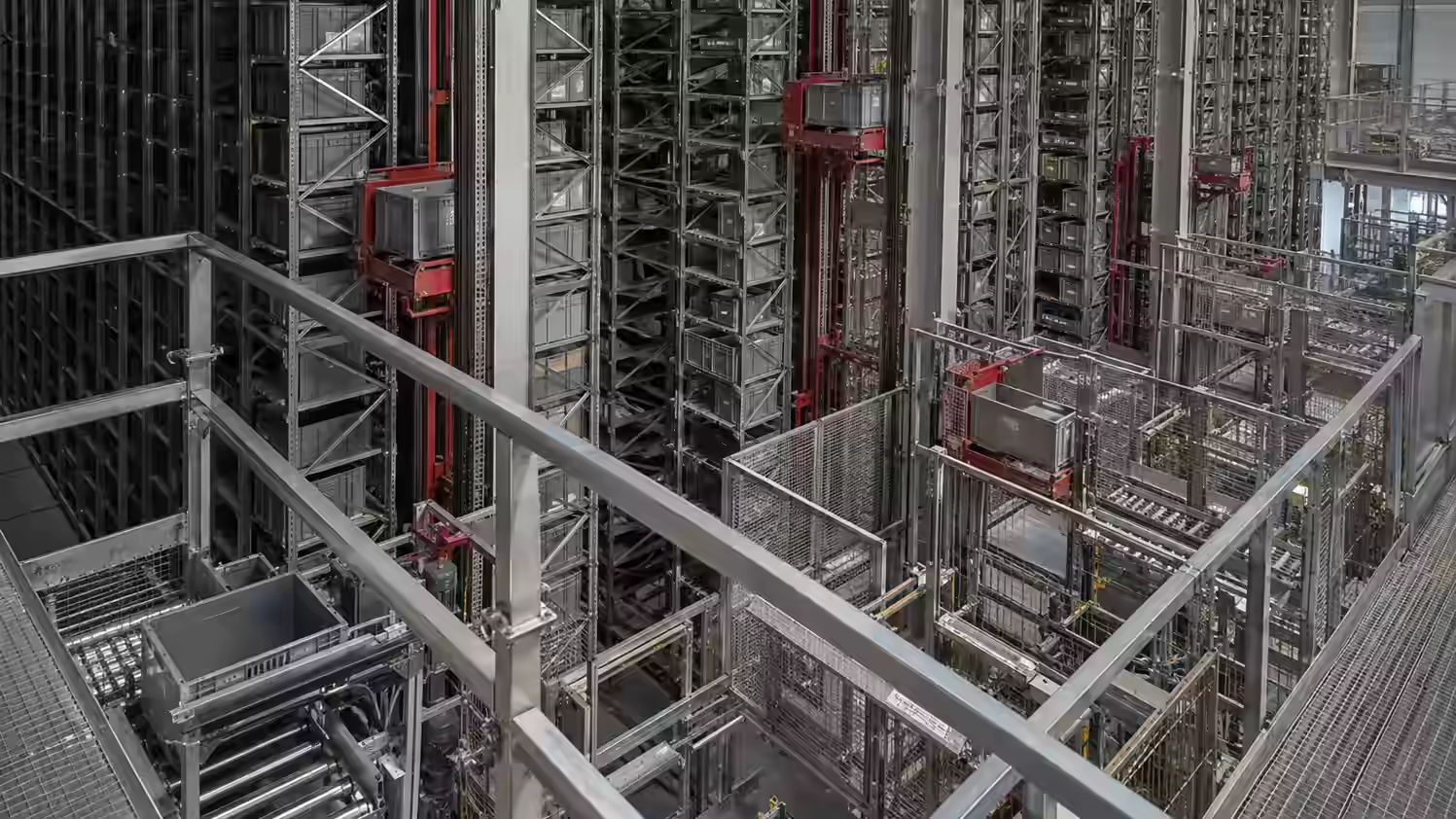
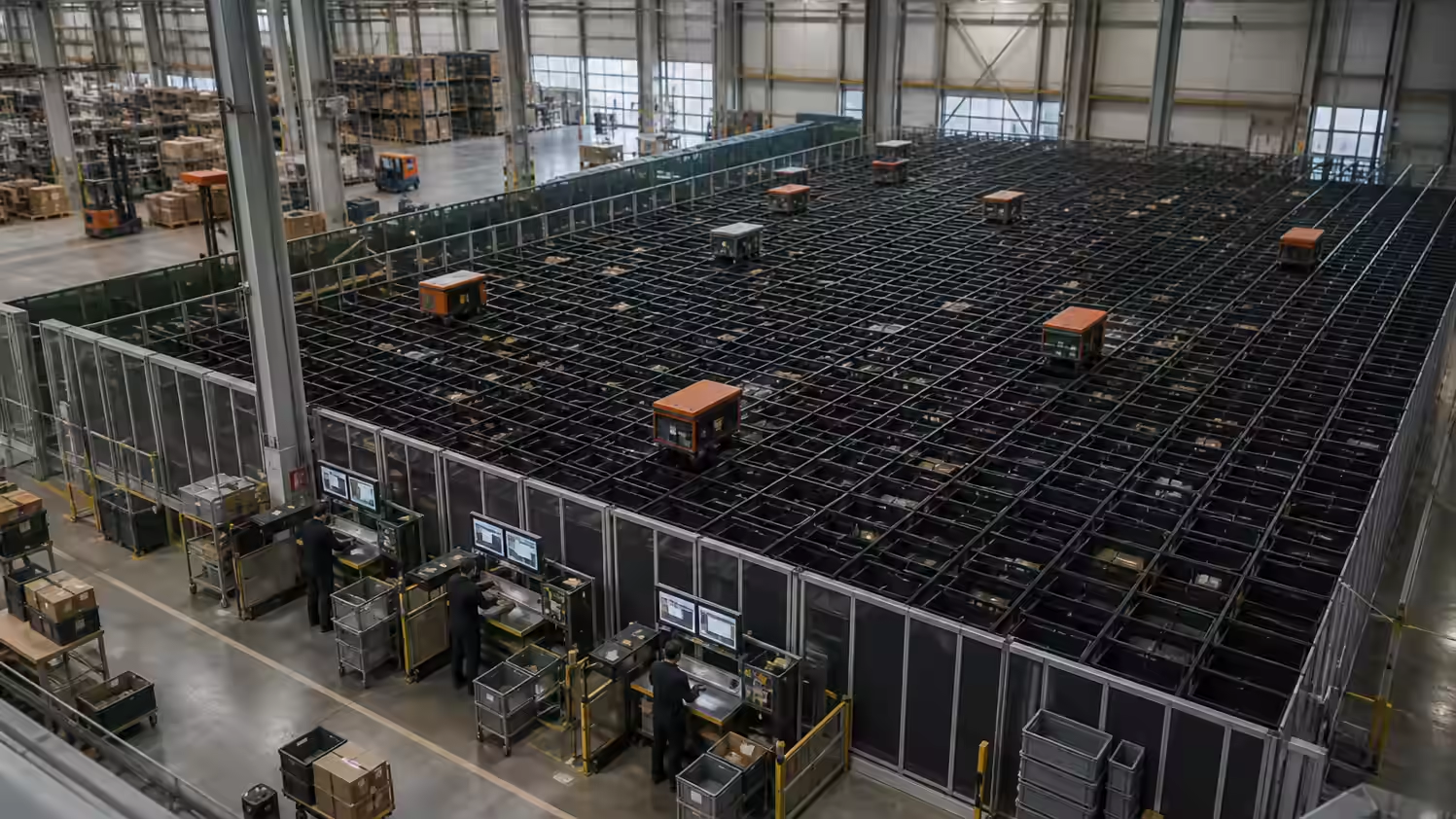
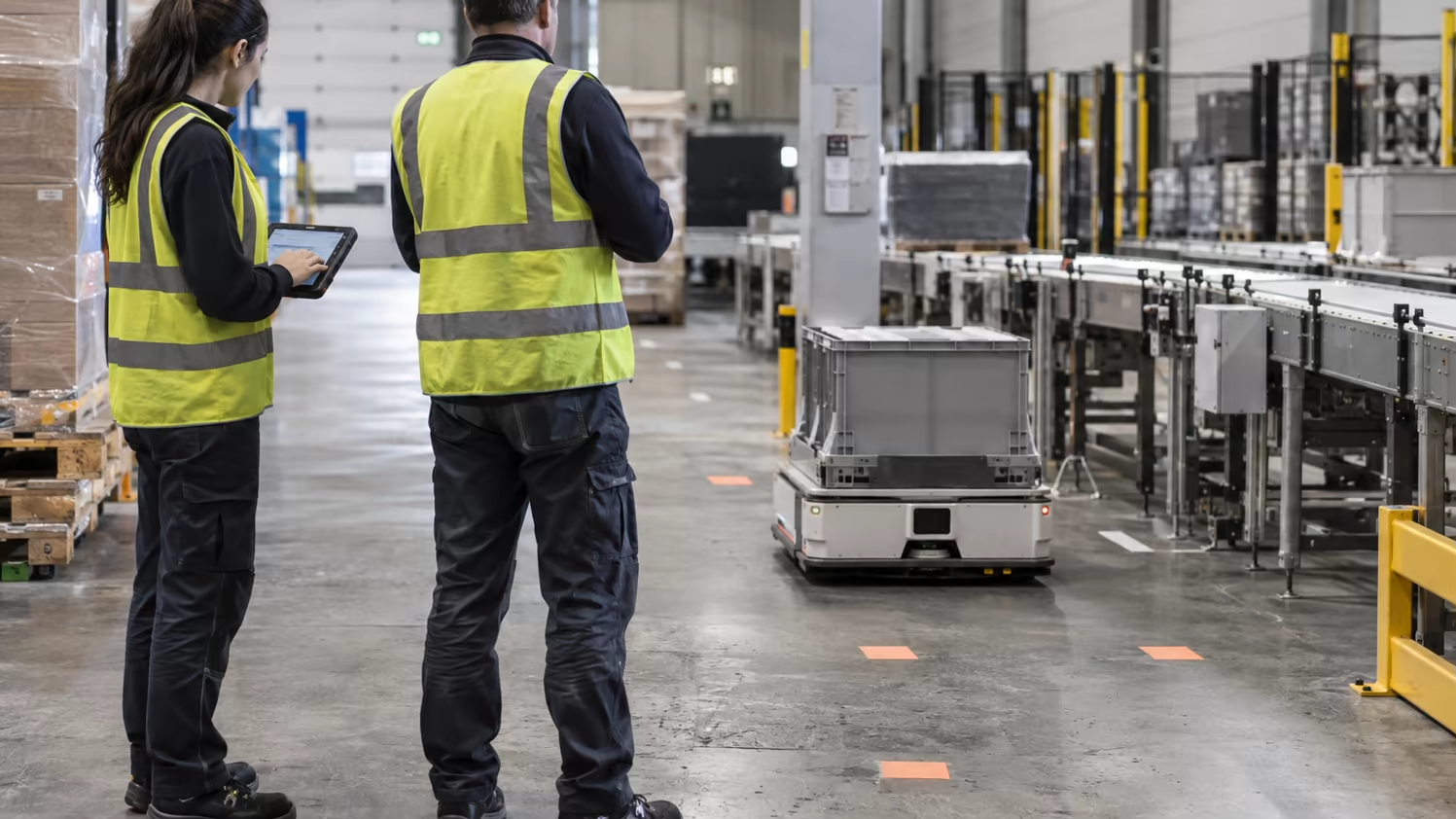
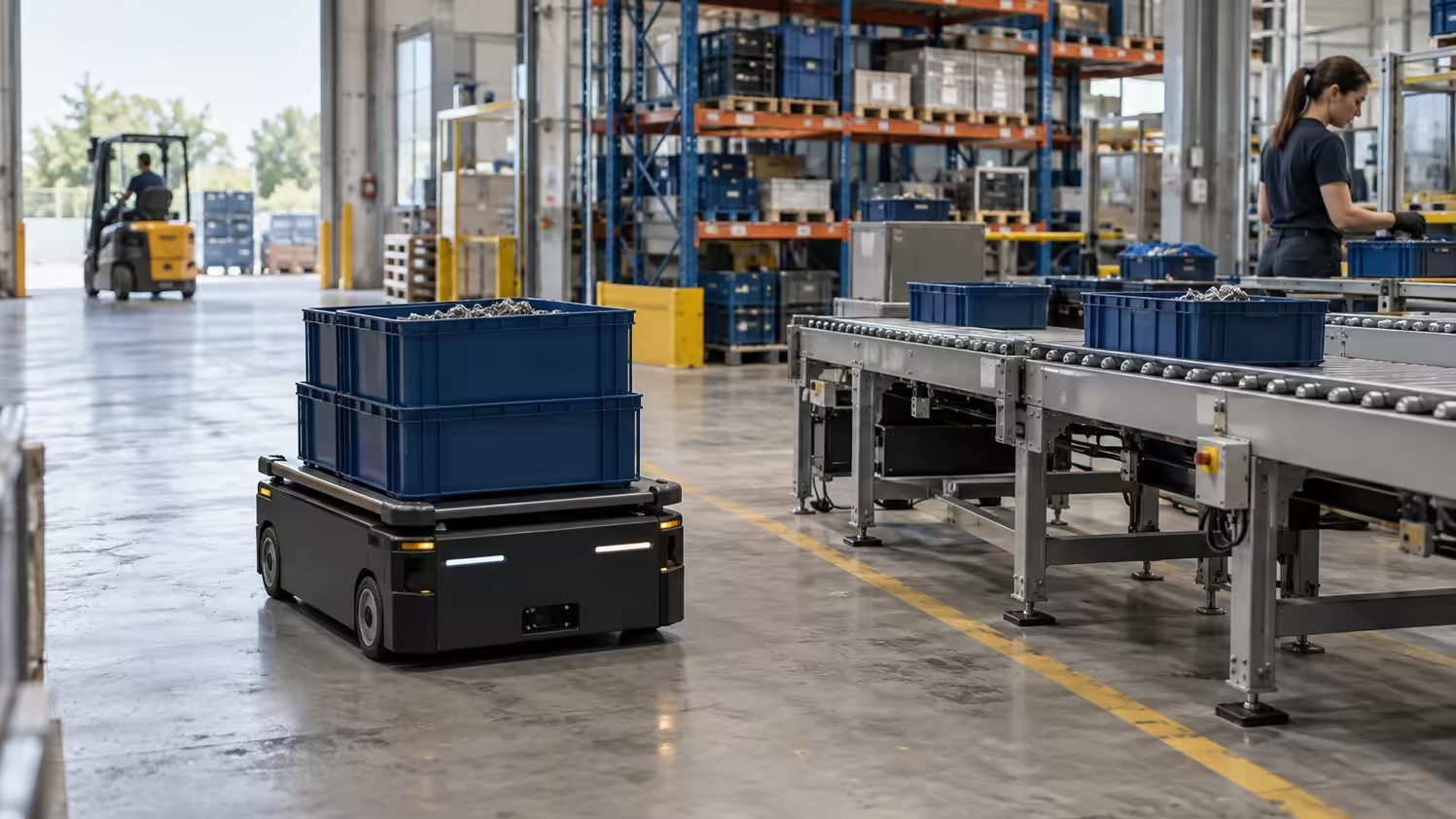
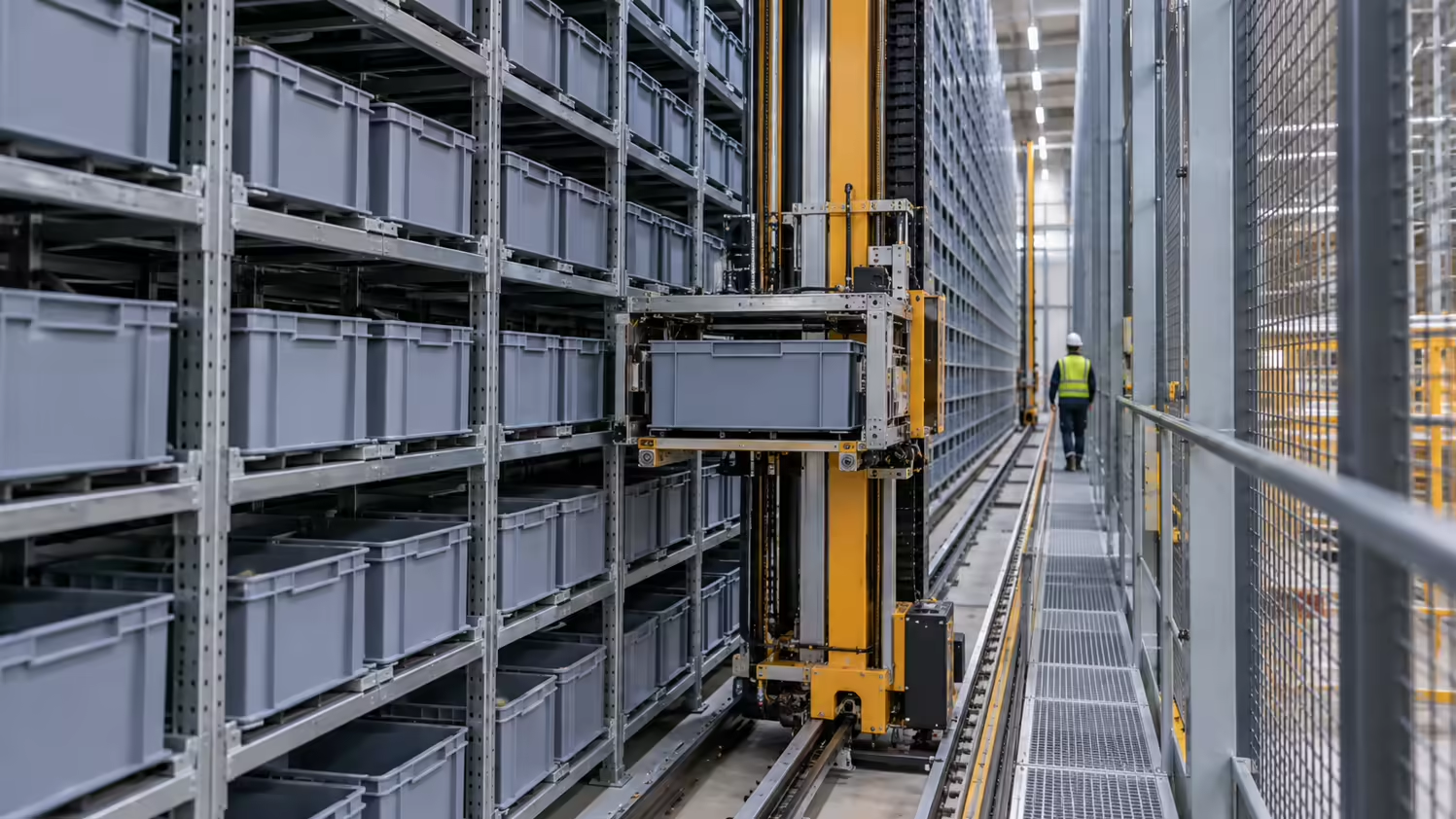
Start with the stored items and picking process. AS/RS and shuttle systems often support dense storage, AGVs and AMRs move loads between areas, and vertical lift modules can organise smaller parts. The right choice depends on volume, space, speed, flexibility and future expansion rather than the technology name alone.
Will the Project Need WMS, WCS and ERP Integration?
It depends on the scope. An ERP usually holds business and order information, a WMS manages inventory locations and warehouse tasks, and a WCS coordinates equipment. When several systems connect, agree who owns each data flow, who resolves interface faults and how operations continue if one layer is unavailable.
Which After-Sales Questions Matter Most?
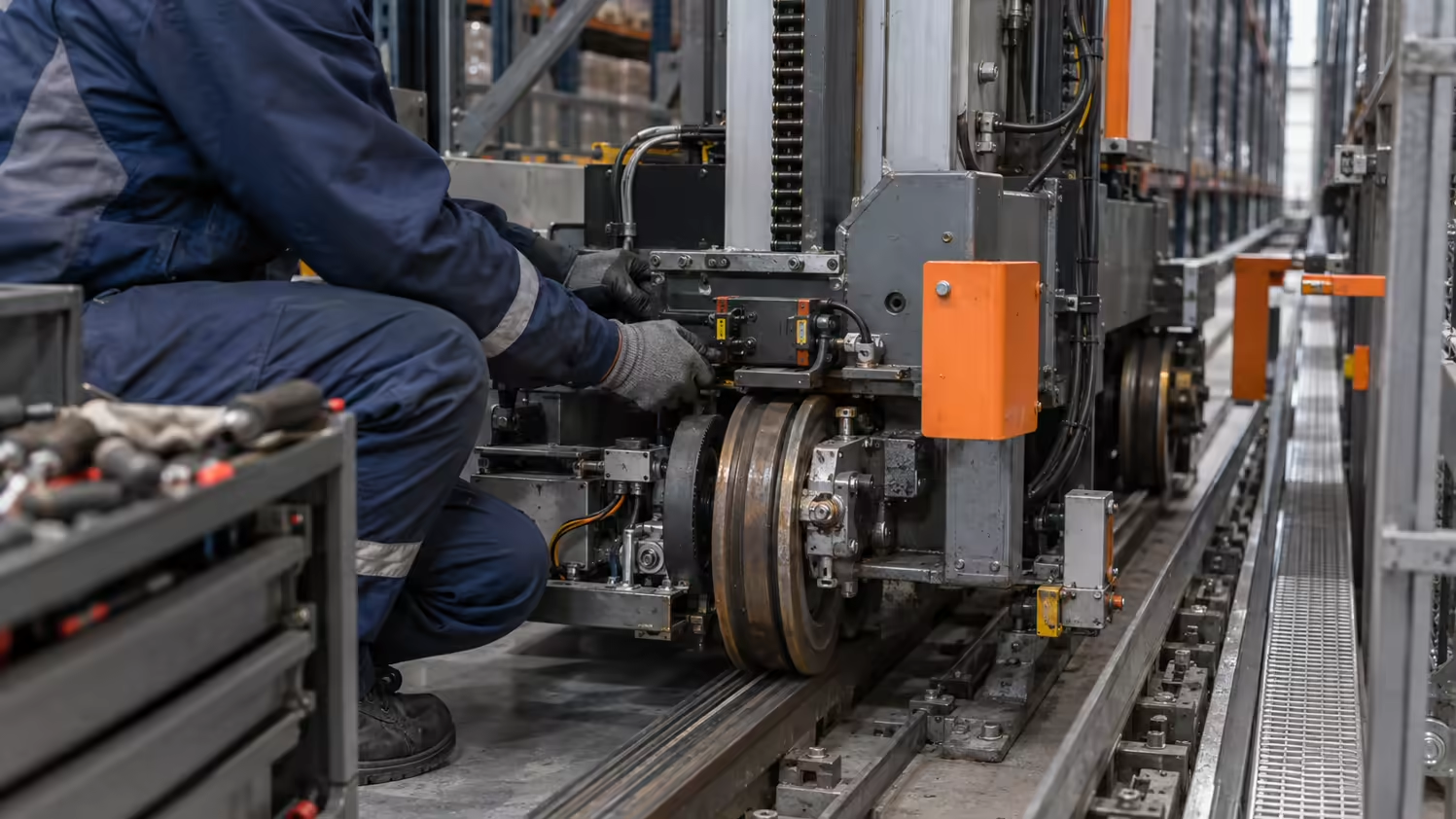
Ask about response times, locally stocked spare parts, preventive maintenance, annual costs, operator training, data backups and the temporary process used during equipment downtime. Request a programme that separates design, manufacturing, installation, testing and ramp-up, with measurable acceptance criteria.